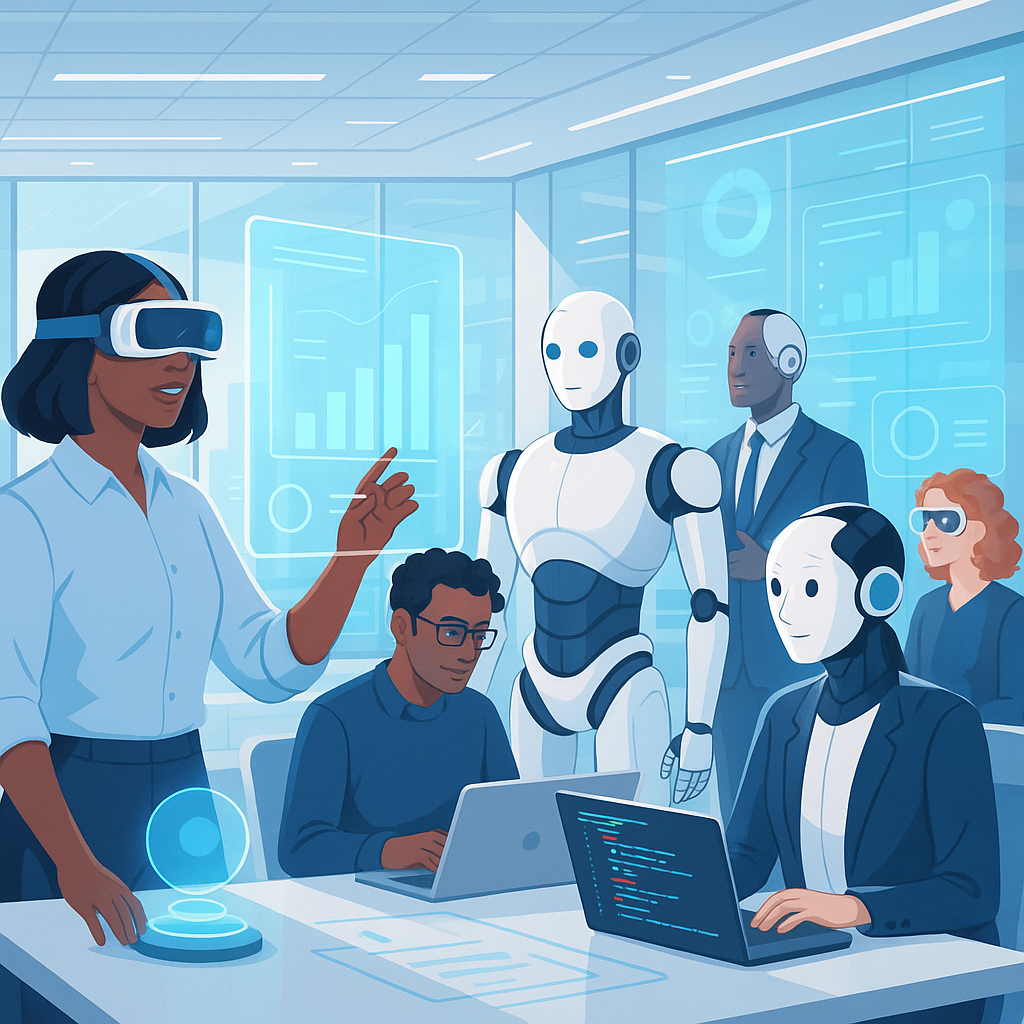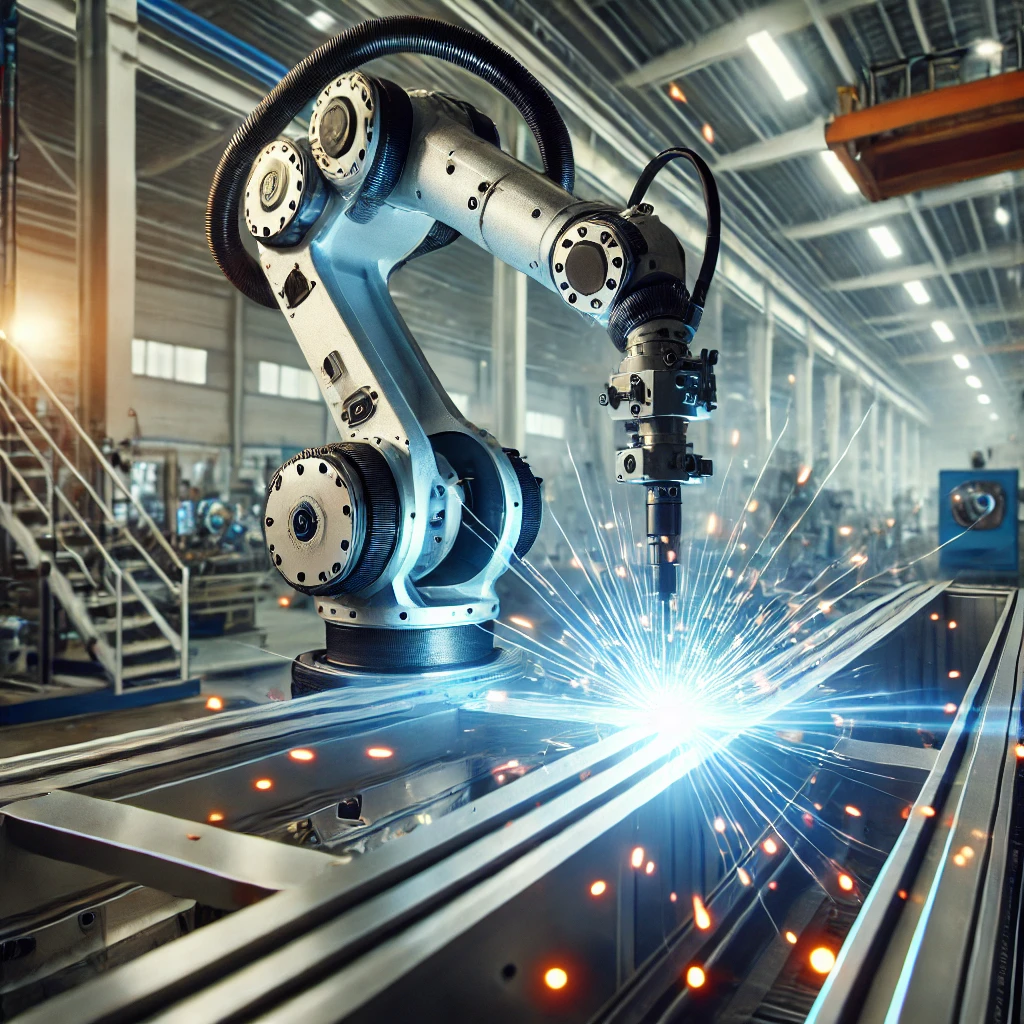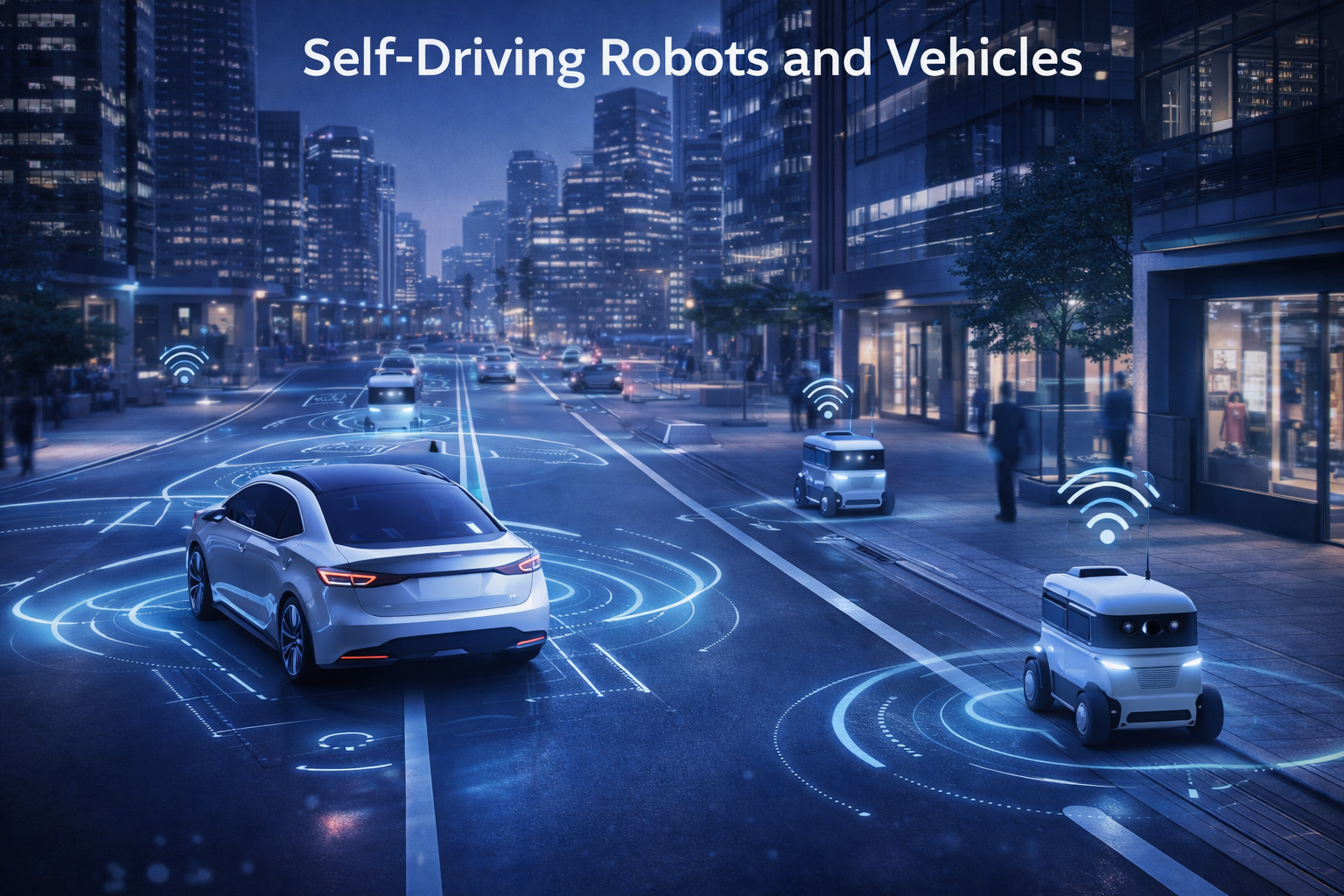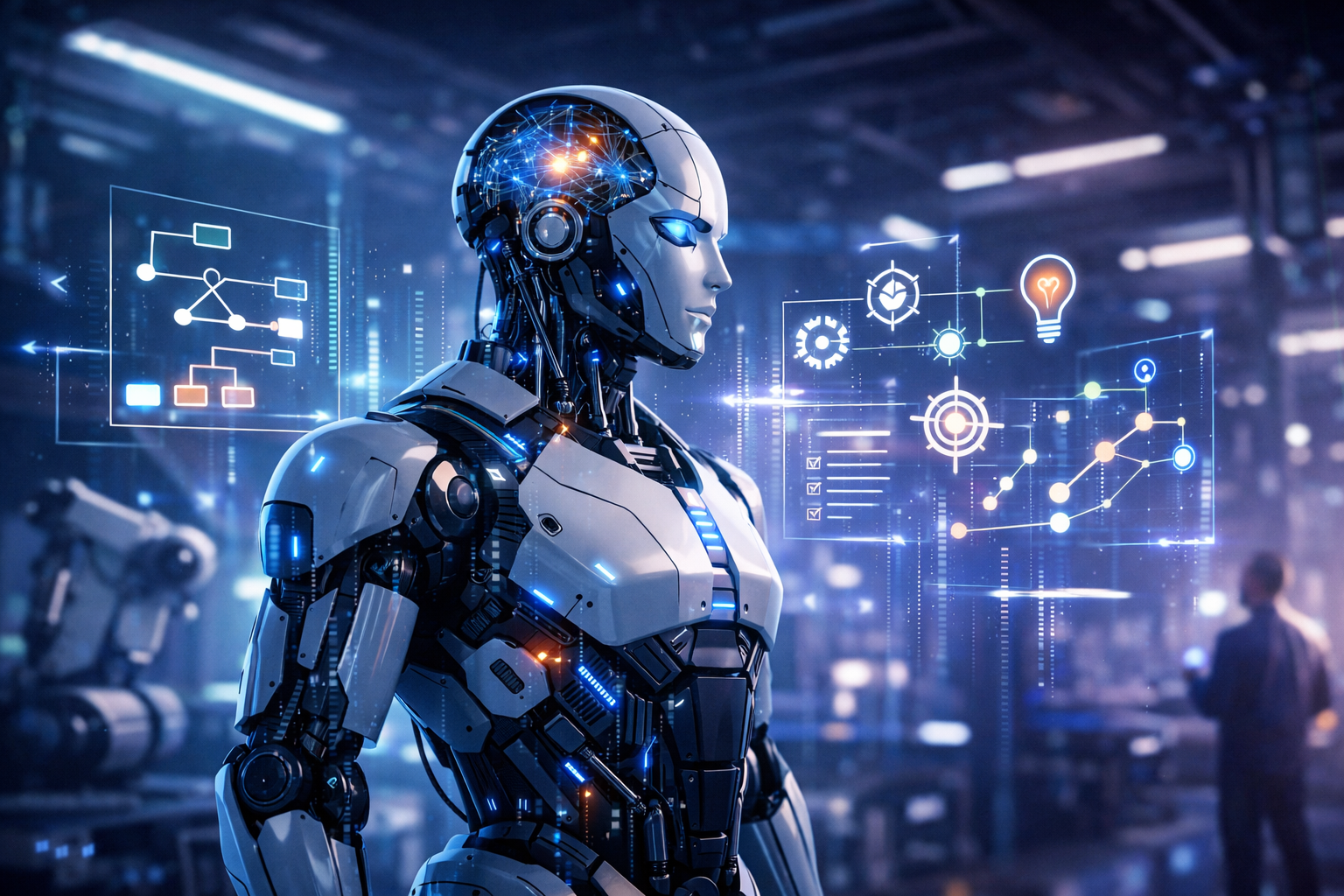
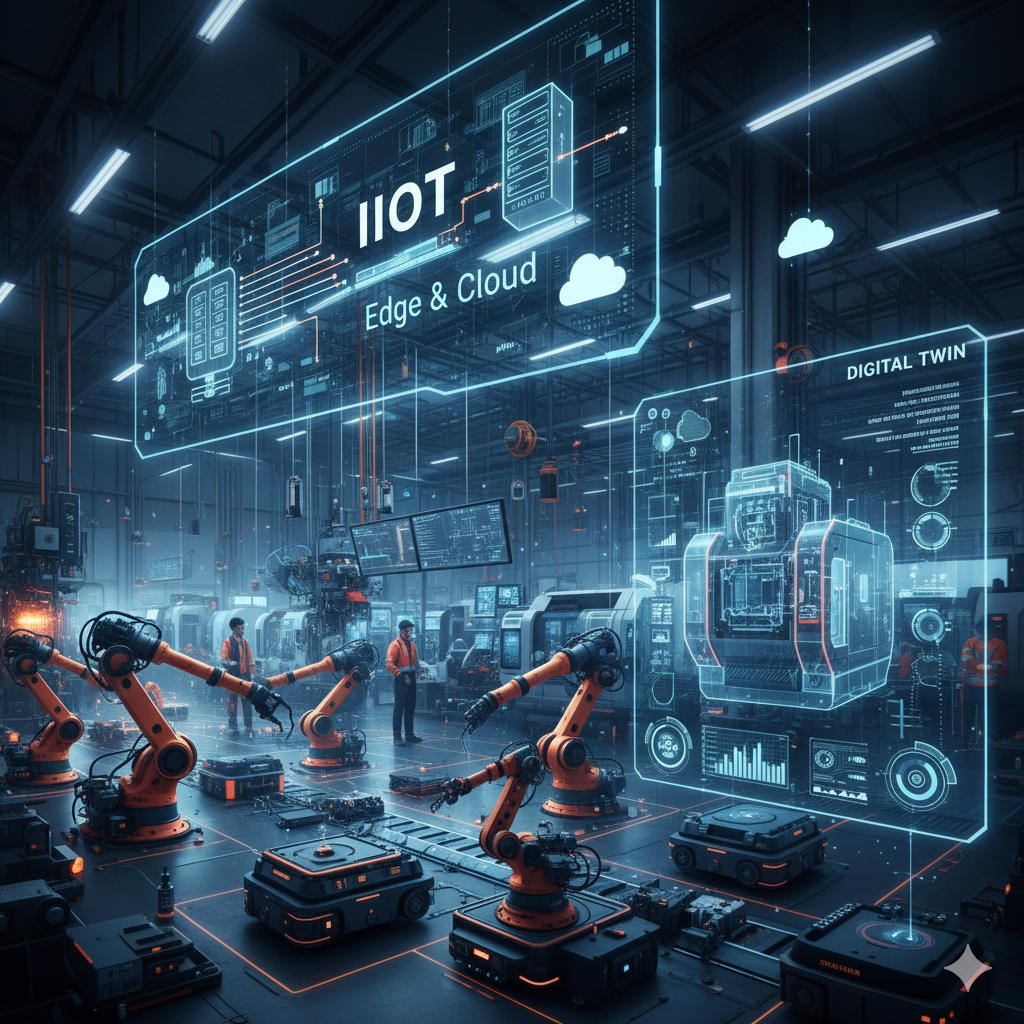
Factories across the world are no longer just about machines and manual labor. They are becoming smarter, faster, and more connected. Three technologies — IIoT (Industrial Internet of Things), Edge and Cloud Computing, and Digital Twins — are at the center of this shift. Together, they are helping industries improve safety, reduce costs, and boost productivity in ways that were not possible a decade ago.
What Is IIoT and Why Does It Matter for Manufacturing?
The Industrial Internet of Things (IIoT) connects machines, sensors, and software across a factory floor through the internet. Think of it as giving every machine a voice — one that constantly reports its health, performance, and output.
- Sensors on machines track data like temperature, speed, vibration, and energy use.
- This data reaches engineers and managers in real time.
- Teams can spot problems before they cause breakdowns or accidents.
For example, if a factory motor starts overheating, its sensor sends an alert immediately. Workers can fix the issue before the motor fails completely — saving both time and money.
IIoT helps manufacturers cut unplanned downtime, lower operational costs, and create safer working environments. It also supports predictive maintenance, which means machines get serviced based on actual need rather than a fixed schedule.
Edge Computing vs Cloud Computing: How Both Power Smart Factories
Modern factories generate enormous volumes of data every second. Managing this data efficiently requires two complementary approaches: Edge Computing and Cloud Computing.
| Feature | Edge Computing | Cloud Computing |
|---|---|---|
| Where data is processed | On the machine or nearby device | On remote servers |
| Speed | Very fast, near real-time | Slightly slower due to data transfer |
| Best use case | Robots, quality checks, instant decisions | Long-term analysis, reports, data sharing |
| Storage capacity | Limited | Virtually unlimited |
Edge Computing processes data right at the source — on the machine itself or a nearby computer. This makes it ideal for tasks that need instant decisions, such as a robot checking product quality on an assembly line.
Cloud Computing stores and analyzes large volumes of data on remote servers. It is perfect for tracking long-term production trends, generating reports, and sharing insights across multiple factory locations.
In practice, both work together. A robot might use edge computing to inspect a product in milliseconds, while the cloud stores the full production report for managers to review at the end of the day. This combination gives factories both speed and depth.
Digital Twins: Building a Virtual Factory Before the Real One
A Digital Twin is a virtual replica of a real machine, production line, or entire factory. It mirrors how the physical system looks and behaves — updated continuously using live IIoT data.
- Engineers can test new ideas, layouts, or processes on the digital version first.
- Potential problems are identified before any physical changes are made.
- Energy use, output, and efficiency can all be simulated in advance.
For example, before setting up a new assembly line, a company can build its digital twin to understand how it will operate, how much energy it will consume, and where bottlenecks might occur. This reduces costly trial-and-error on the actual factory floor.
Digital twins are already being used in industries like automotive manufacturing, aerospace, energy, and pharmaceuticals. They help companies plan smarter, act faster, and avoid expensive mistakes.
How These Three Technologies Work Together
IIoT, Edge and Cloud Computing, and Digital Twins are not independent tools — they form an interconnected system that powers the modern smart factory.
- IIoT sensors collect real-time data from machines and equipment.
- Edge computing processes urgent data instantly at the source.
- Cloud computing stores, analyzes, and shares data across teams and locations.
- Digital twins use all this data to create live virtual models for planning and testing.
When these technologies work in sync, factories become more responsive, more efficient, and far less prone to unexpected failures. Companies that invest in this integrated approach gain a clear competitive advantage — producing more, wasting less, and responding faster to market demands.
Impact on Indian Industry and the Road Ahead
India’s manufacturing sector, which includes sectors like automotive, textiles, electronics, and heavy engineering, stands to gain significantly from industrial automation. Government initiatives like Make in India and the push for Industry 4.0 adoption are encouraging factories to upgrade their infrastructure.
- Small and medium enterprises (SMEs) are increasingly exploring IIoT-based monitoring solutions.
- Cloud platforms from providers like Microsoft Azure, AWS, and Google Cloud are being adopted for industrial data management.
- Digital twin pilots are underway in sectors like steel, power, and automotive manufacturing.
As the cost of sensors, connectivity, and cloud storage continues to fall, these technologies are becoming accessible to a wider range of businesses — not just large corporations.
The factories of the future will be defined by how well they connect machines, data, and people. IIoT gives machines the ability to communicate, edge and cloud computing make that data fast and useful, and digital twins allow industries to plan before they act. Companies that embrace this shift will be better positioned to compete — operating more efficiently, more safely, and more sustainably in the years ahead.
Frequently Asked Questions
IIoT, or Industrial Internet of Things, connects machines and sensors in a factory to the internet. These sensors collect data on temperature, speed, energy use, and more. This data helps engineers monitor equipment in real time, predict failures before they happen, and improve overall production efficiency.
Edge Computing processes data directly on or near the machine, enabling very fast decisions — ideal for robots or quality checks. Cloud Computing stores and analyzes large amounts of data on remote servers, making it useful for long-term reporting and sharing insights across teams. Both are used together in modern smart factories.
A Digital Twin is a virtual replica of a real machine, production line, or factory. It uses live data from IIoT sensors to stay updated in real time. Factories use digital twins to test new processes, simulate energy use, and identify potential problems — all before making any changes to the actual physical setup.