Whether you are hiking through dense forests, climbing high-altitude peaks, or diving into open water, your gear needs to keep up. Standard smartwatches and fitness bands simply are not built for extreme conditions. That is where rugged wearables come in — tough, smart, and designed to survive whatever nature throws at them.
What Are Rugged Wearables?
Rugged wearables are specially engineered smart devices built for outdoor and adventure use. Unlike regular smartwatches, they are made to handle physical stress, harsh weather, and extended off-grid use.
- They survive drops, shocks, and rough handling.
- They resist water, mud, sand, and dust.
- They offer multi-day or even month-long battery life.
- They include health monitoring and emergency safety features.
These devices are not just durable — they are packed with technology that keeps adventurers safe and informed in remote locations where a phone signal may not exist.
Key Features That Set Rugged Wearables Apart
Not all tough-looking smartwatches qualify as truly rugged. Here are the features that matter most when choosing one for outdoor use:
- Scratch-resistant and impact-proof build: Most rugged wearables use titanium casings, reinforced plastic, or sapphire glass to handle drops and rough terrain.
- IP68 and MIL-STD-810 ratings: These certifications confirm the device can operate in deep water, heavy rain, extreme heat, cold, and dusty environments without damage.
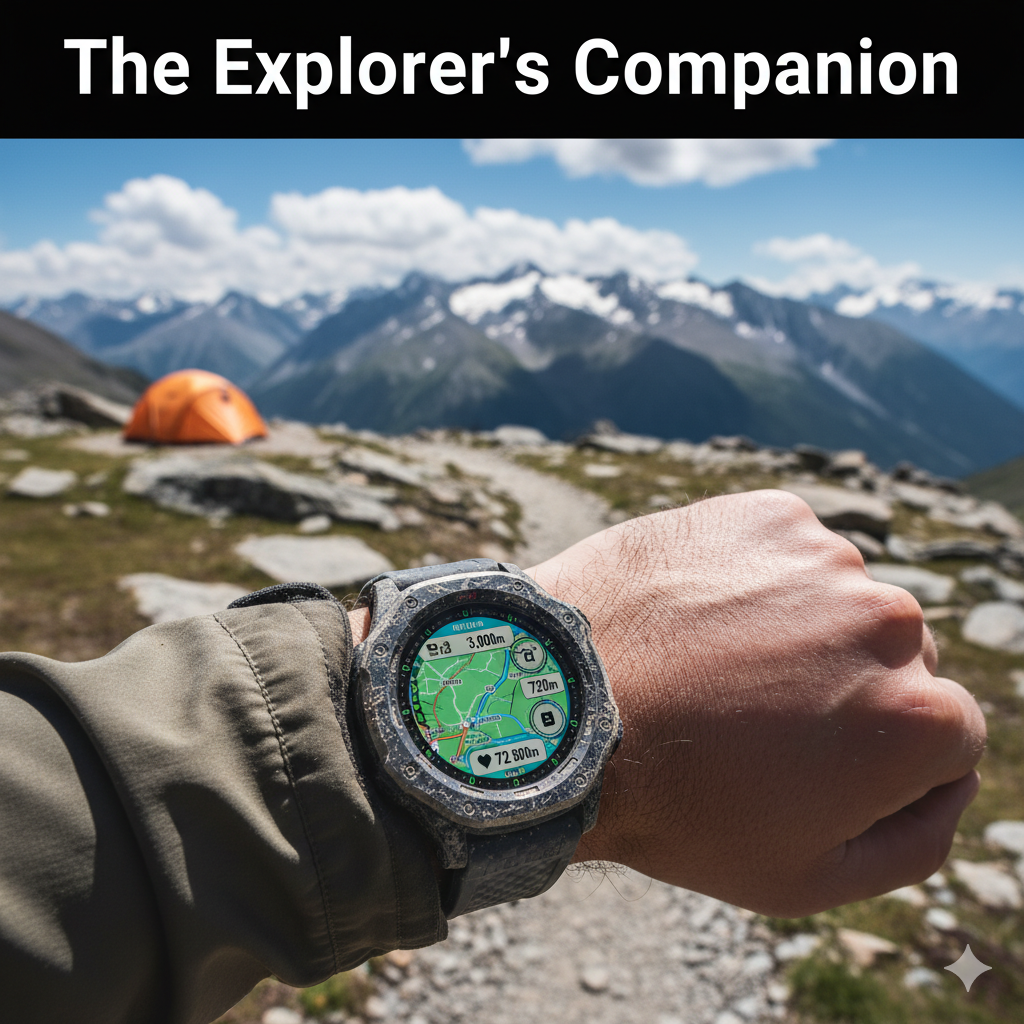
- Multi-band GPS and offline maps: Built-in GPS with satellite connectivity helps you navigate in areas with no mobile network. Some models support downloadable topographic maps directly on the watch.
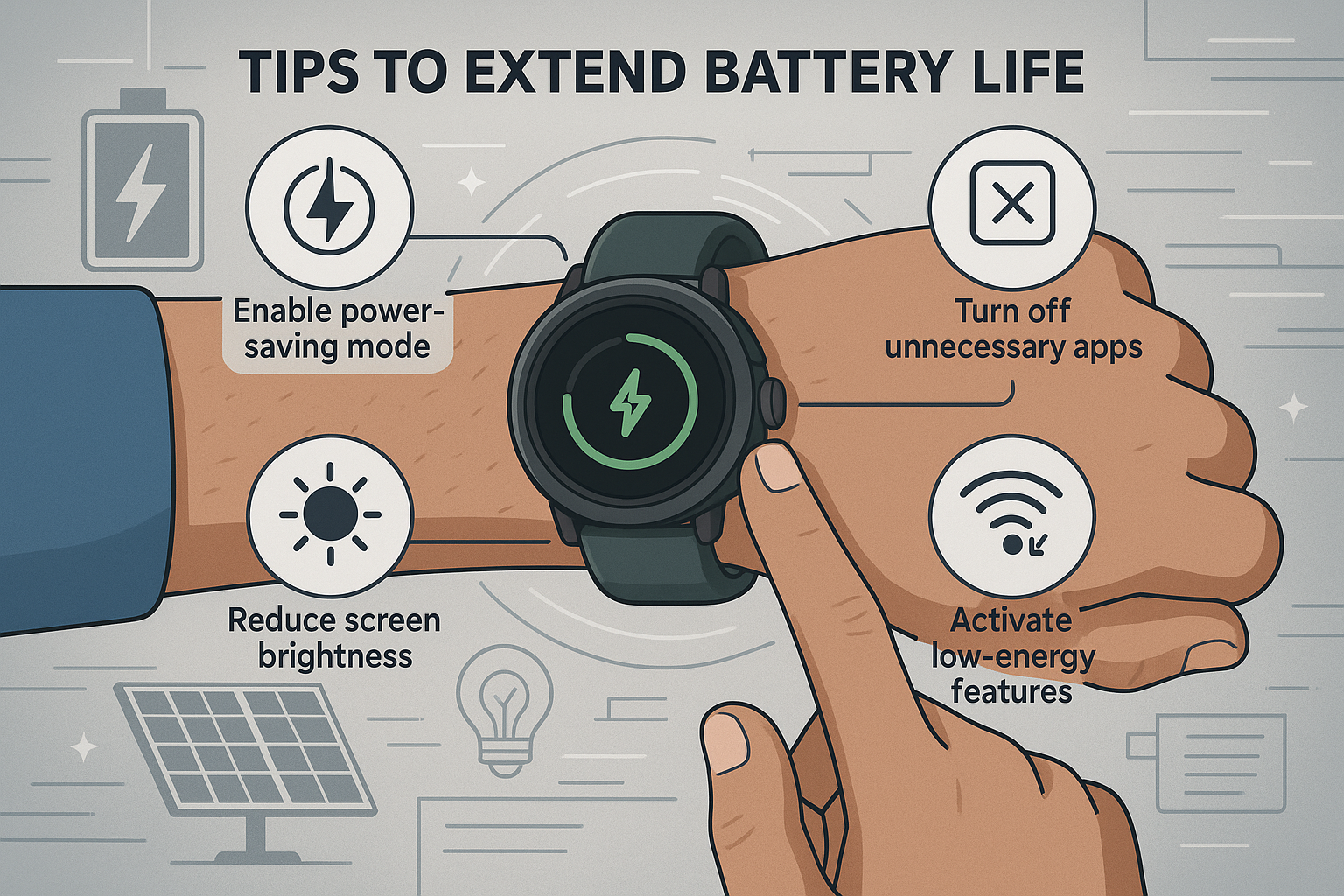
- Long battery life with solar charging: Many rugged wearables last several days on a single charge. Some models include solar charging panels, making them ideal for week-long treks or camping trips.
- Health and safety tracking: These devices monitor heart rate, blood oxygen levels, altitude, stress, and sleep. Emergency SOS alerts and fall detection features add an extra layer of safety in dangerous situations.
How Rugged Wearables Compare to Standard Smartwatches
| Feature | Rugged Wearables | Standard Smartwatches |
|---|---|---|
| Build Material | Titanium, reinforced plastic, sapphire glass | Aluminium, standard glass |
| Water Resistance | IP68, MIL-STD rated | Basic splash resistance |
| Battery Life | Days to weeks, solar charging available | 1 to 2 days typically |
| GPS | Multi-band, satellite-linked, offline maps | Basic GPS, phone-dependent |
| Emergency Features | SOS alerts, fall detection | Limited or absent |
Why Rugged Wearables Are Growing in Popularity in 2025
The global interest in outdoor activities, adventure sports, and off-grid travel has grown significantly. People are trekking to remote Himalayan trails, exploring deep forests, and participating in endurance events more than ever before. This shift has created strong demand for wearables that go beyond step counting.
- More travellers are venturing into remote destinations with limited connectivity.
- Health and safety monitoring during outdoor activities has become a priority.
- Satellite communication technology is now being integrated into compact wearable devices.
- Fitness enthusiasts want devices that perform reliably across all climates and terrains.
Brands are responding by building smarter, lighter, and more capable rugged wearables that appeal to both serious adventurers and casual outdoor lovers.
Who Should Use a Rugged Wearable?
Rugged wearables are not just for extreme athletes. A wide range of outdoor enthusiasts can benefit from them:
- Hikers and mountain climbers — to track altitude, monitor blood oxygen, and navigate trails without mobile data.
- Divers and swimmers — to use waterproof depth sensors and track underwater performance safely.
- Cyclists and trail runners — to monitor performance metrics on challenging and unpredictable routes.
- Campers and wilderness explorers — to access offline maps, use solar charging, and send emergency alerts when needed.
Even trekkers who go on weekend hikes in hilly regions of India, such as the Western Ghats or Himachal Pradesh, can benefit from the added safety and navigation features these devices offer.
Rugged wearables are far more than durable gadgets. They serve as reliable companions that keep you safe, connected, and informed during outdoor adventures. Whether you are scaling a peak, diving into the sea, or camping under the stars, a well-chosen rugged wearable ensures you are always prepared for what lies ahead.