Wearable health devices are quietly changing the way doctors care for patients. Instead of waiting for a hospital appointment, patients can now have their vital signs tracked around the clock from the comfort of their homes. This shift is making healthcare faster, smarter, and more accessible for millions of people.
What Are Remote Patient Monitoring Wearables?
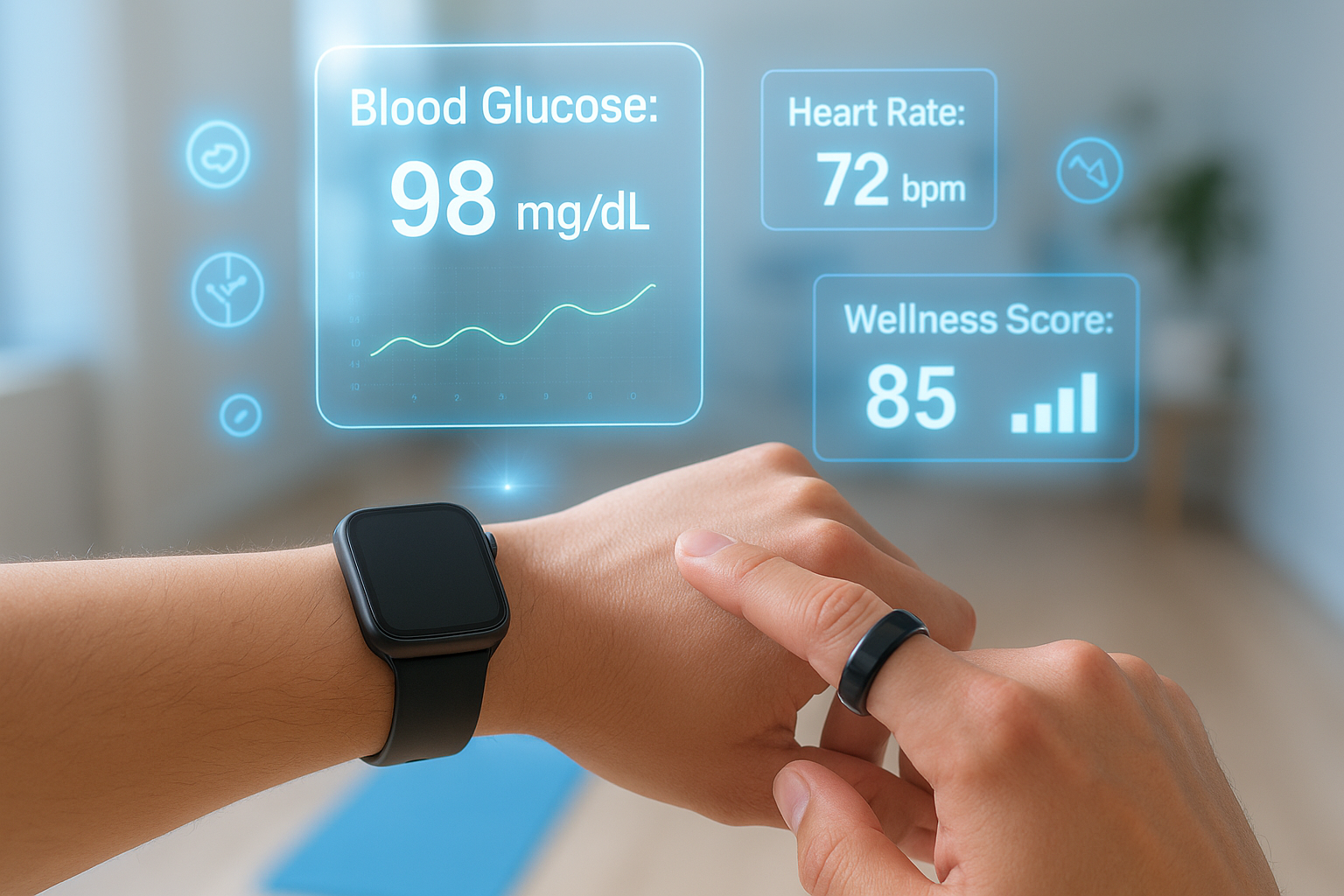
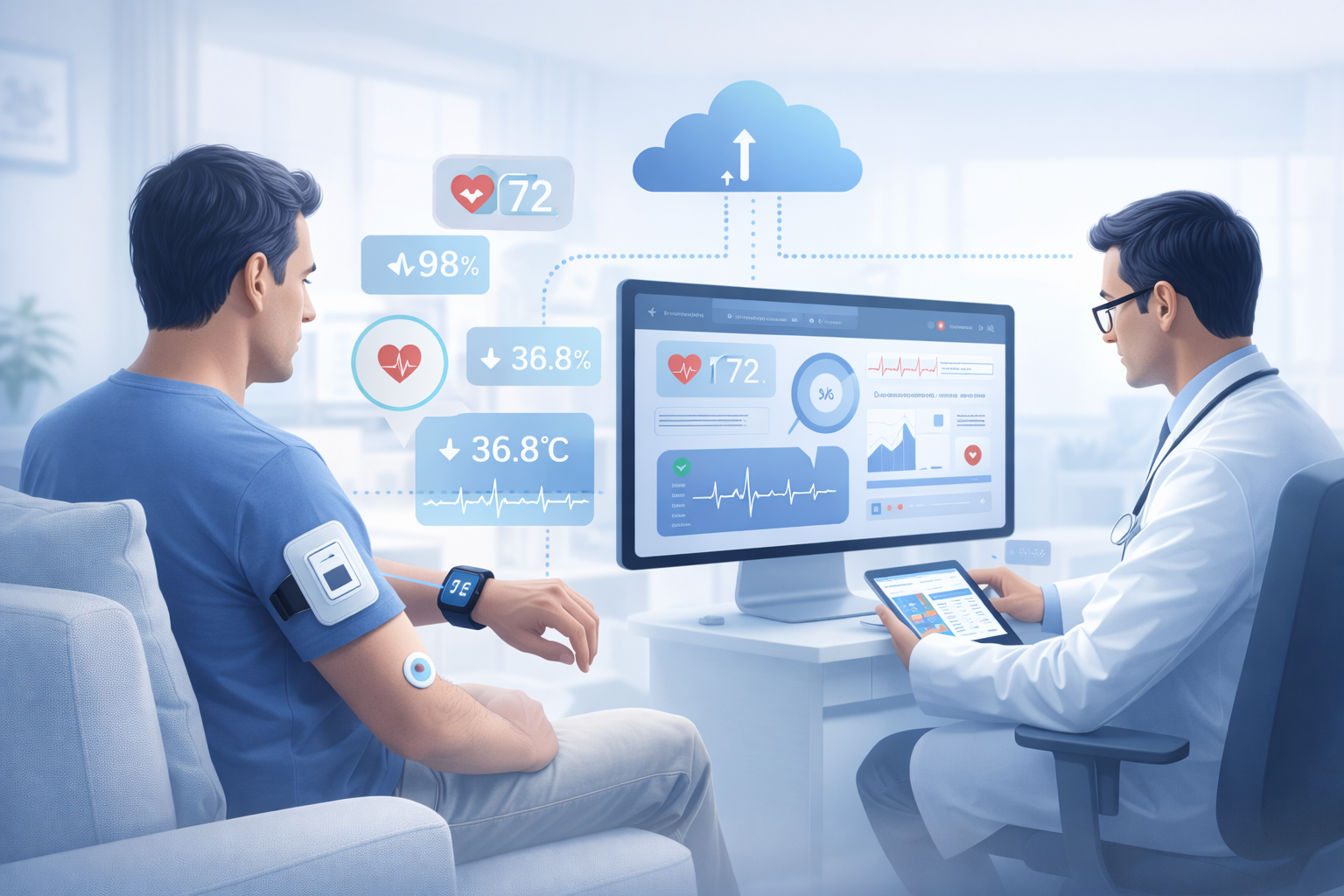
Remote patient monitoring wearables are smart devices worn on the body that collect real-time health data and transmit it securely to healthcare providers over the internet. These devices remove the need for frequent clinic visits while keeping doctors informed about a patient’s condition at all times.
Common examples include:
- Smartwatches (such as Apple Watch and Samsung Galaxy Watch)
- Fitness bands and activity trackers
- Smart rings like the Oura Ring
- Dedicated medical sensors for ECG, glucose, and oxygen monitoring
These devices are designed to work quietly in the background while a person goes about their daily routine.
What Health Data Do These Devices Track?
Modern wearables can monitor a wide range of health indicators. Basic devices track everyday wellness metrics, while advanced medical-grade wearables go much deeper.
| Basic Monitoring | Advanced Monitoring |
|---|---|
| Heart rate | ECG readings |
| Sleep quality | Blood sugar levels |
| Physical activity | Breathing patterns |
| Body temperature | Blood oxygen saturation (SpO2) |
| Stress levels | Irregular heart rhythm detection |
This data is uploaded to secure cloud platforms where doctors can review trends, spot warning signs, and respond quickly if something looks abnormal.
Key Benefits for Patients and Healthcare Providers
The advantages of wearable-based remote monitoring go beyond simple convenience. They create a meaningful difference in health outcomes for both patients and doctors.
- Early detection: Continuous monitoring helps identify health issues before they become serious emergencies.
- Fewer hospital visits: Patients with chronic conditions can manage their health at home, reducing unnecessary trips to clinics.
- Faster medical response: Doctors receive real-time alerts when a patient’s readings cross safe thresholds.
- Better quality of life: Patients, especially the elderly, can live independently without feeling disconnected from their care team.
- Cost savings: Reducing hospital admissions and emergency visits lowers overall healthcare costs for patients and providers alike.
Where Are These Wearables Being Used?
Remote patient monitoring wearables are already making an impact across several healthcare areas:
- Chronic disease management: Patients with diabetes, hypertension, or heart disease benefit from continuous tracking without daily clinic visits.
- Post-surgery recovery: Doctors can monitor a patient’s recovery progress remotely after procedures.
- Elderly care: Wearables help caregivers and family members stay informed about the health of older adults living alone.
- Mental health monitoring: Stress levels, sleep disruptions, and heart rate variability can indicate mental health changes over time.
- Cardiac care: Devices with ECG capabilities help detect arrhythmias and other heart conditions early.
The Role of AI and Data Security in Wearable Health Tech
Artificial Intelligence plays a growing role in making sense of the massive volumes of health data that wearables generate. AI-powered systems can identify patterns in a patient’s data, flag early warning signs, and send automated alerts to healthcare providers before a condition worsens. This shifts healthcare from reactive treatment to proactive prevention.
However, with sensitive personal health data being collected and transmitted, data security and patient privacy are critical concerns. Strong encryption, secure cloud storage, and strict access controls are essential. Healthcare providers must also comply with data protection regulations to maintain patient trust.
Challenges That Still Need to Be Addressed
Despite their promise, wearables for remote monitoring face some real-world challenges:
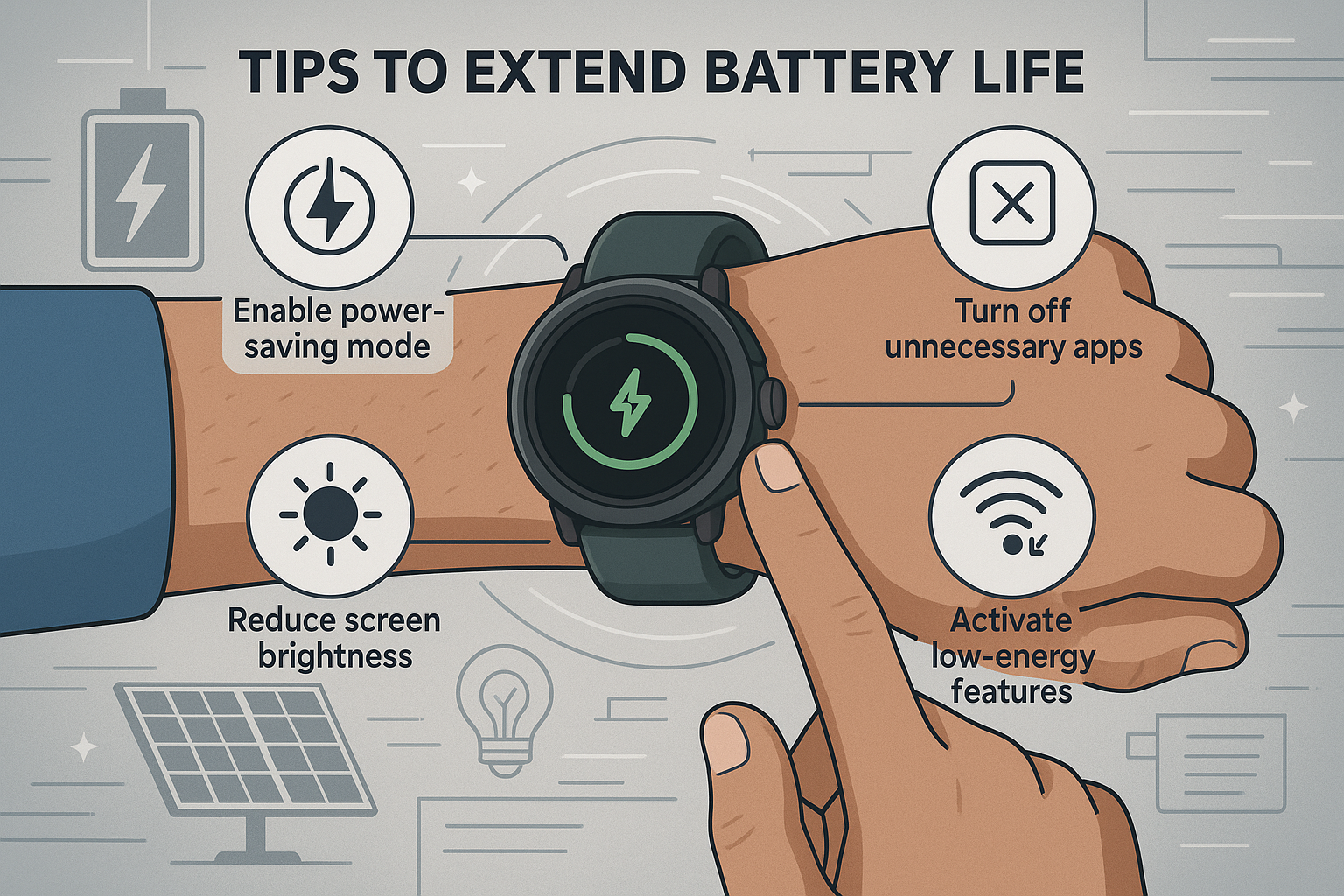
- Battery life: Frequent charging can be inconvenient, especially for elderly users.
- Device accuracy: Consumer-grade wearables may not always match the precision of clinical equipment.
- Internet connectivity: Patients in rural or low-connectivity areas may struggle to transmit data reliably.
- User adoption: Older patients or those unfamiliar with technology may find these devices difficult to use consistently.
Manufacturers are actively working on improvements — longer battery life, better sensors, and simpler interfaces are already appearing in newer device generations.
As wearable technology continues to advance, future devices are expected to offer more accurate predictions, real-time personalized health insights, and tighter integration with hospital systems. The combination of smarter hardware, better AI analysis, and stronger connectivity will make remote patient monitoring a standard part of healthcare delivery in the years ahead.
Wearables for remote patient monitoring represent a genuine step forward in making healthcare more patient-centered, accessible, and efficient. For patients managing long-term conditions or recovering from illness, these devices offer both peace of mind and better health outcomes — all without leaving home.