Voice-activated wearables have moved well past the novelty stage. In 2025, smartwatches, earbuds, smart glasses, and even rings respond to your voice with speed and accuracy that feels natural. These devices are reshaping how people manage health, communication, and daily tasks — all without touching a screen.
What Are Voice-Activated Wearables?
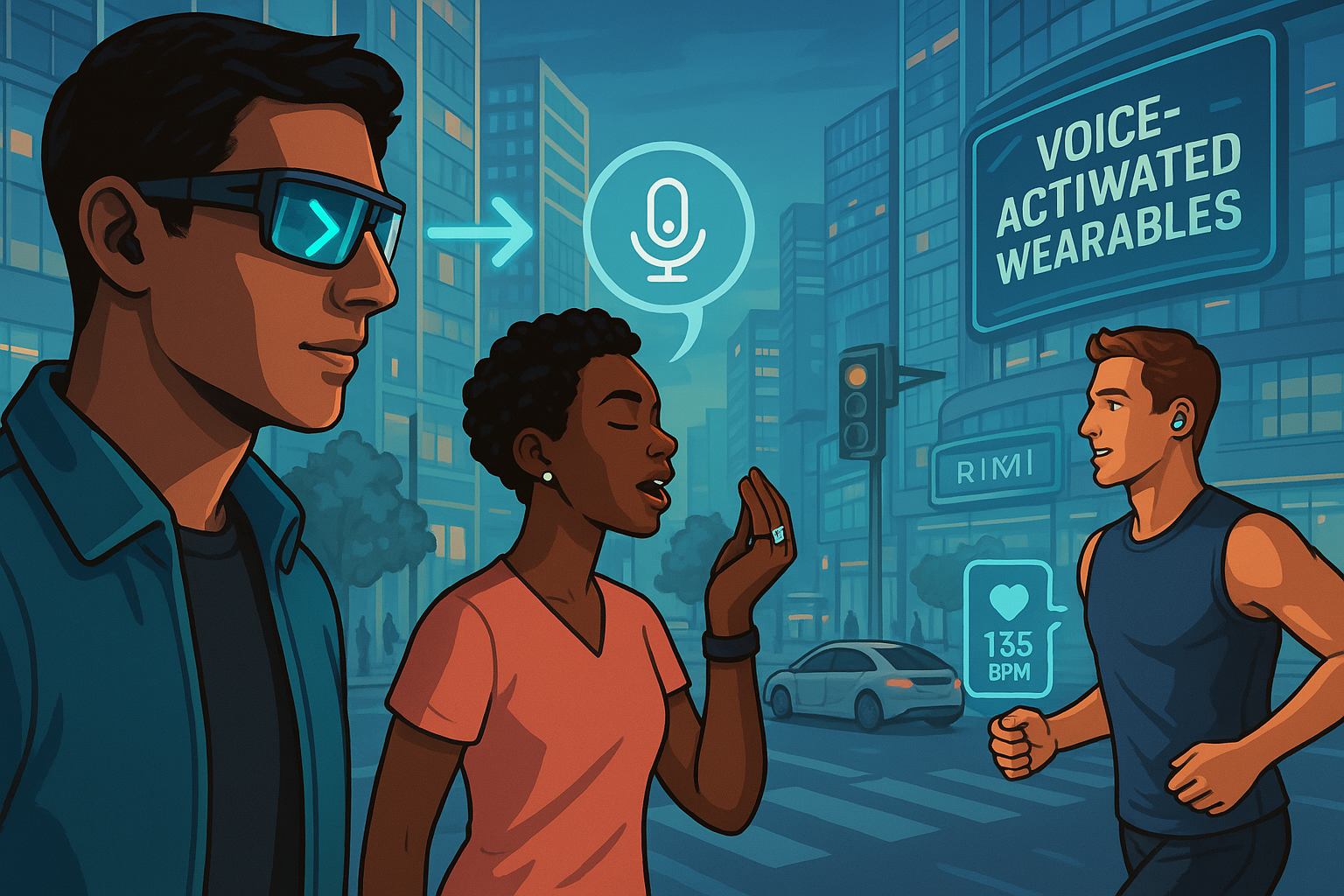
Voice-activated wearables are smart devices you wear on your body — such as watches, earbuds, glasses, or rings — that respond to spoken commands. There is no need to tap, swipe, or type. You simply speak, and the device acts.
Common tasks you can handle through voice include:
- Sending texts or making calls
- Playing or pausing music
- Setting reminders and calendar events
- Checking the weather or your schedule
- Controlling smart home devices
These wearables work by combining several technologies at once — voice recognition, smart microphones, AI assistants like Siri, Google Assistant, and Alexa, along with both on-device and cloud-based processing. The result is a response that often takes just a second or two.
How People Are Using Them in Real Life
Voice-controlled wearables are no longer limited to tech enthusiasts. They have become practical tools for everyday situations across different areas of life.
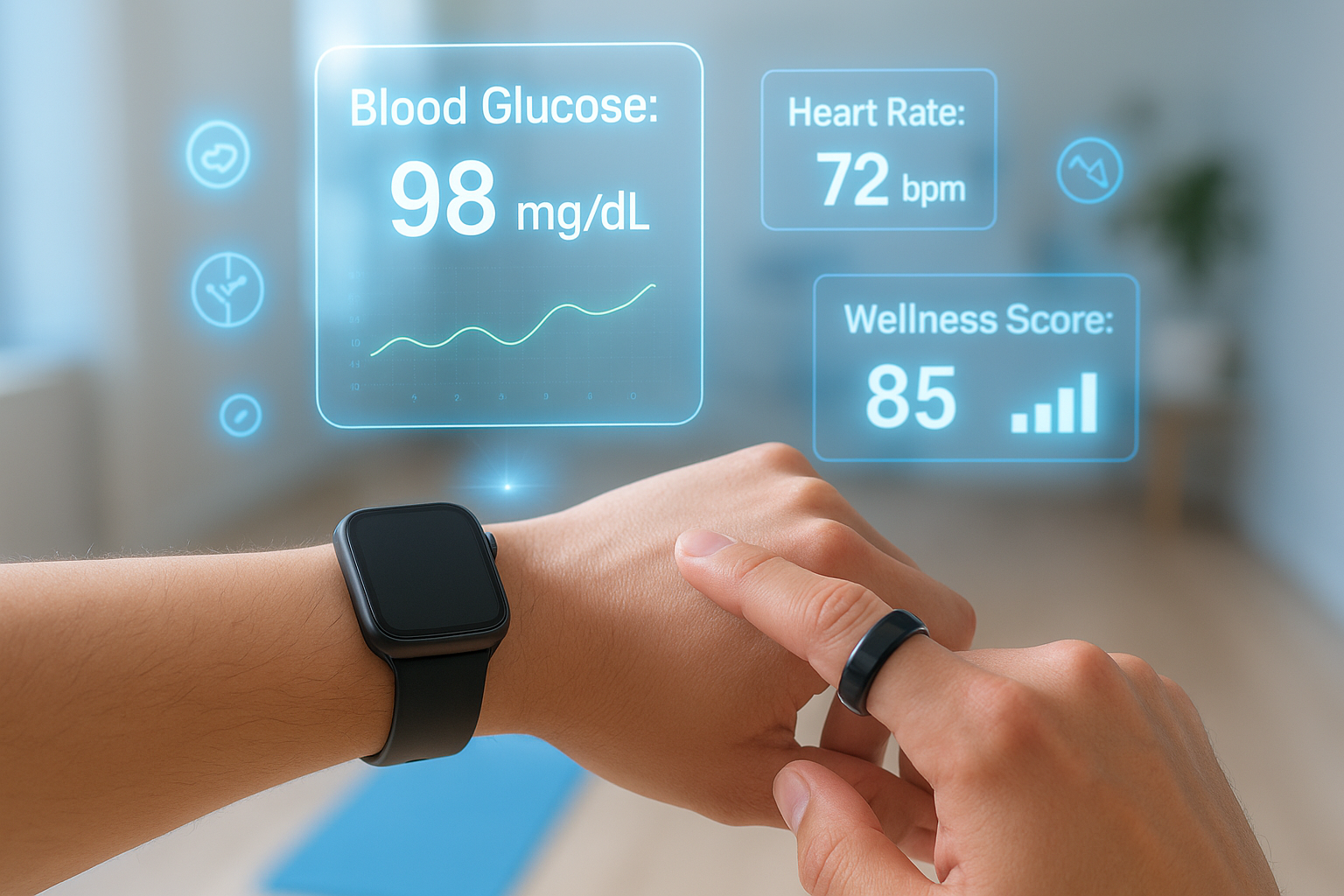
- Health and Fitness: Smartwatches can start a workout session, monitor heart rate, or log sleep data — all through a voice command. No need to pause your run to tap a screen.
- Music and Calls: Wireless earbuds let you switch songs, answer calls, or adjust volume without reaching for your phone.
- Staying Organised: While cooking or driving, you can add events to your calendar or set reminders just by speaking.
- Safer Driving: Voice-controlled wearables help you get directions or send messages without taking your eyes off the road.
- Smart Home Control: Tell your device to dim the lights, lock the front door, or start the coffee machine — without moving from your spot.
Why Voice-First Technology Is Becoming the Standard
There are clear reasons why more people are choosing voice-first wearables over traditional touch-based devices.
- No physical interaction needed: Ideal when your hands are occupied — whether you are exercising, cooking, or carrying something.
- Greater accessibility: For people with physical disabilities, voice control offers more independence and easier access to technology.
- Faster than typing: Speaking is significantly quicker than typing, which makes multitasking more practical throughout the day.
- More natural interaction: These devices are getting better at understanding everyday language, making conversations feel less robotic and more intuitive.
Top Voice-Activated Wearables to Know in 2025
Several devices stand out for their voice capabilities this year. Here is a quick comparison of the leading options:
| Device | Voice Assistant | Key Strength |
|---|---|---|
| Apple Watch Ultra | Siri | Deep health tracking with voice integration |
| Google Pixel Watch 2 | Google Assistant | Quick access to Google services |
| Amazon Echo Buds | Alexa | Hands-free Alexa directly in your ears |
| Meta Smart Glasses | Meta AI | Photos and queries without a phone |
| Oura Ring (beta features) | Expanding voice features | Compact form with growing voice support |
Each device serves a slightly different lifestyle need, so the best choice depends on how you spend your day.
Challenges That Still Need Solving
Despite the progress, voice-activated wearables still have limitations worth knowing before you invest.
- Privacy concerns: Devices that listen continuously raise valid questions about data collection and who has access to recorded audio.
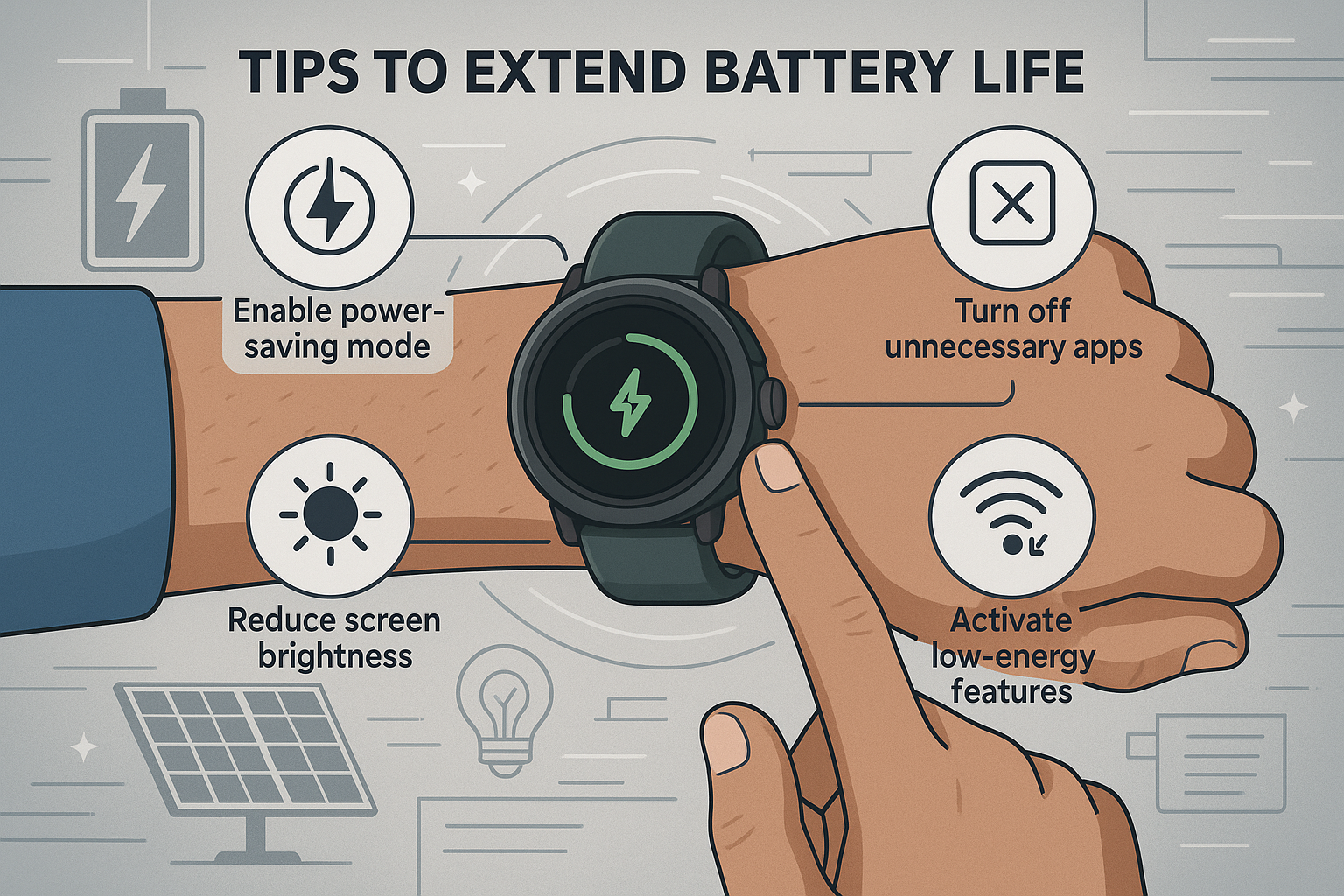
- Battery life: Voice activation draws more power, which is a real challenge for small devices like earbuds and rings that already have limited battery capacity.
- Background noise: Loud environments can still confuse microphones, though noise-cancellation technology is steadily improving.
What the Future Holds for Voice Wearables
The next wave of voice-activated wearables is expected to bring even more practical features. Based on current trends, users can look forward to:
- Earbuds that translate languages in real time during conversations
- Smart glasses with augmented reality features controlled entirely by voice
- Predictive assistants that anticipate your needs based on your routines and context
As voice recognition and on-device processing continue to improve, wearables will become more accurate, more personal, and more useful across a wider range of situations.
Voice-activated wearables in 2025 represent a genuine shift in how people interact with technology. They are not just convenient — for many users, they are becoming essential tools for managing health, staying connected, and getting through the day more efficiently. Whether you are a fitness enthusiast, a busy professional, or someone who benefits from hands-free accessibility, there is a voice-powered wearable designed to fit your life.