Wearable technology has taken a new direction. Instead of strapping a device to your wrist or clipping a sensor to your belt, the technology now lives inside your clothes. Smart clothing — also called e-textiles or smart garments — is quietly becoming one of the most practical tech trends of the decade, blending health monitoring, fitness tracking, and everyday comfort into fabric you simply wear.
What Is Smart Clothing and How Does It Work?
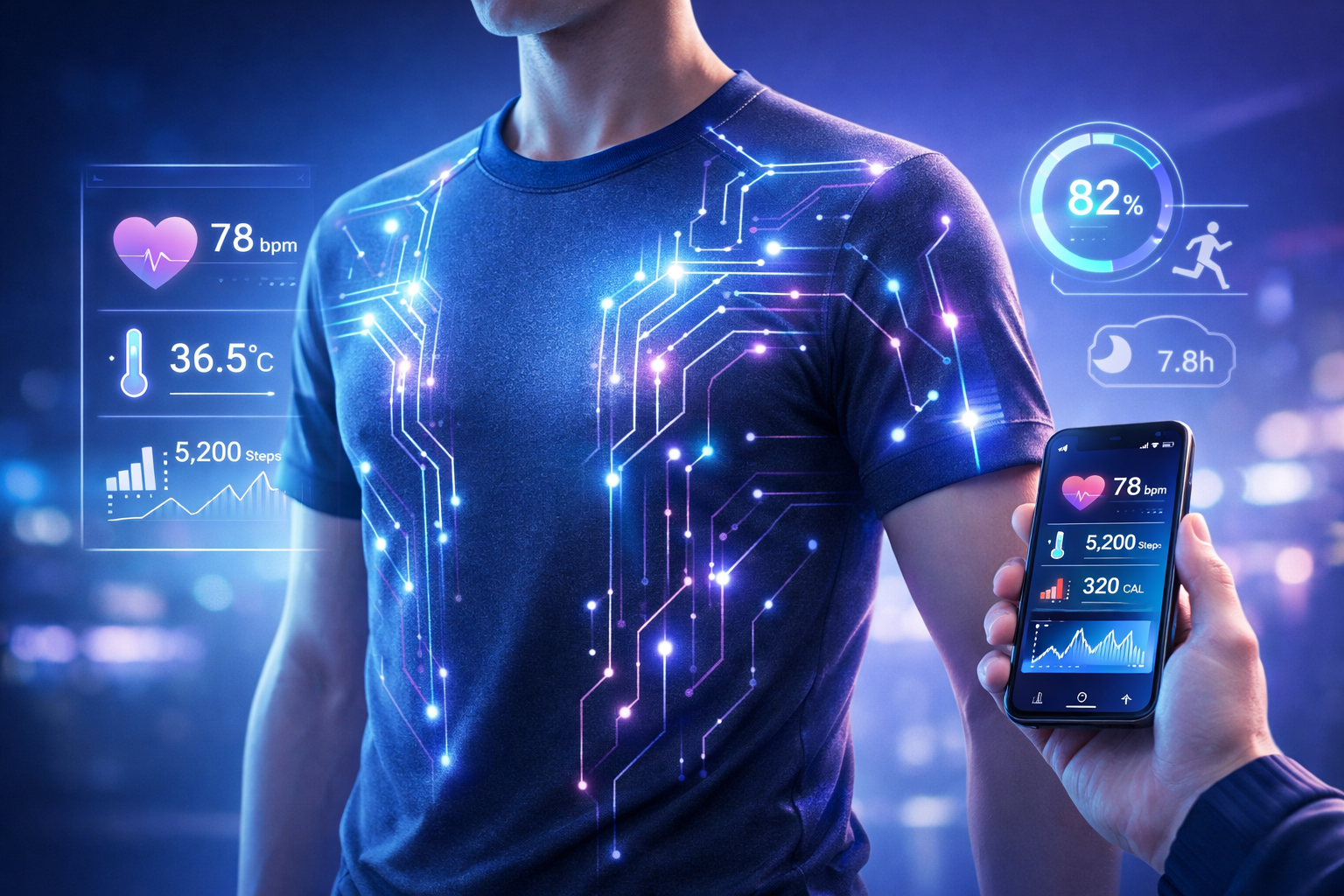
Smart clothing refers to garments that have tiny sensors, flexible electronics, and conductive threads woven directly into the fabric. These components collect real-time data from your body — including heart rate, body temperature, breathing patterns, posture, and physical movement — without requiring any separate device.
Once the data is collected, it is transmitted wirelessly to a paired smartphone app. From there, users can review health stats, track fitness goals, or share information with a doctor. The entire process happens in the background, so the person wearing the garment barely notices anything different about how the clothing feels.
Where Smart Clothing Is Being Used Today
Smart garments are already active across several industries. Here is a look at the key areas where this technology is making a real difference:
- Fitness and sports: Athletes and gym-goers use smart clothing to monitor workout intensity, muscle activity, and recovery. It gives more accurate data than a wrist-based tracker because the sensors are closer to the body.
- Healthcare and patient monitoring: Hospitals and clinics are exploring smart garments to track patients remotely. This reduces the need for bulky monitoring equipment and allows continuous observation without discomfort.
- Posture correction: Some smart shirts and vests vibrate or send alerts when the wearer slouches, helping people improve their posture over time.
- Temperature regulation: Certain advanced smart fabrics can adjust their insulation based on body heat, keeping the wearer comfortable in changing conditions.
- Everyday wellness: Regular users who want to stay on top of their health without wearing a smartwatch are turning to smart clothing as a more natural alternative.
Smart Clothing vs Traditional Wearables: A Quick Comparison
| Feature | Smart Clothing | Traditional Wearables |
|---|---|---|
| Form factor | Built into fabric | Separate device on body |
| Comfort | Feels like regular clothing | Can feel bulky or restrictive |
| Data accuracy | Higher due to direct skin contact | Moderate, depends on placement |
| Visibility | Looks like normal clothing | Visibly worn on wrist or body |
| Maintenance | Requires careful washing | Easy to clean separately |
Benefits and Challenges of Smart Clothing
Smart clothing brings several genuine advantages to users across different lifestyles. The most important benefits include:
- No need to carry or charge a separate wearable device
- Continuous and accurate health data collection throughout the day
- Looks and feels like regular clothing, making it socially comfortable
- Useful for both medical monitoring and personal fitness goals
- Supports a connected lifestyle where health data syncs with other apps and devices
However, there are real challenges that buyers and developers are still working through:
- Cost: Smart garments are significantly more expensive than regular clothing, which limits access for many consumers.
- Washing and care: Electronics embedded in fabric require careful handling. Not all smart clothing is fully machine-washable.
- Data privacy: These garments collect sensitive personal health data. Questions about how that data is stored, shared, or sold remain important concerns.
- Battery life: Many smart garments still need periodic charging, which adds to the maintenance routine.
What the Future of Smart Clothing Could Look Like
The next generation of smart clothing is expected to go well beyond health tracking. Researchers and companies are working on garments that could charge your phone wirelessly, change color based on mood or environment, and even use self-healing materials that repair minor tears on their own.
As manufacturing costs drop and flexible electronics become more refined, smart clothing is expected to move from a niche product to a mainstream wardrobe staple. The global smart textile market is growing steadily, with interest from sportswear brands, medical device companies, and fashion labels alike.
For Indian consumers, this trend is particularly relevant as health awareness grows and demand for practical, tech-enabled products rises across urban and semi-urban markets.
Smart clothing represents a natural shift in how people interact with technology — not through screens and buttons, but through the very fabric they wear every day. As the technology matures and prices become more accessible, it is likely to become as common as the smartphone itself.