
Smart wearables have come a long way from counting steps and tracking calories. In 2026, a new generation of devices called real-time biointelligence wearables is reshaping personal health monitoring. These gadgets do not just collect data — they interpret it, learn from it, and give you actionable health insights on the spot.
What Are Real-Time Biointelligence Wearables?
Real-time biointelligence wearables are advanced smart devices that continuously monitor your body and use intelligent processing to make sense of the data they collect. Unlike basic fitness bands that show raw numbers, these devices explain what those numbers mean for your health.
They track a wide range of body signals, including:
- Heart rate and heart rhythm
- Sleep quality and duration
- Stress levels
- Blood oxygen levels
- Body temperature
- Daily physical activity and recovery
The key difference is intelligence. These devices study your personal patterns over time and offer suggestions tailored specifically to you — not generic health tips.
How Do These Devices Actually Work?
Biointelligence wearables use miniaturized sensors embedded in the device to collect biological signals from your body around the clock. This raw data is then processed using advanced algorithms that identify patterns and flag changes.
The system works like a personal health assistant. Here are some real-world examples of how it responds:
- If your stress levels spike, the device may suggest a breathing exercise or a short walk.
- If your sleep quality drops below your usual baseline, it may recommend an earlier bedtime or reduced screen time.
- If your heart rate shows an unusual pattern, the device sends an immediate alert so you can take action.
This kind of personalized, real-time feedback is what sets biointelligence wearables apart from older fitness trackers.
Popular Types of Biointelligence Wearables Available Today
The market already has several categories of these intelligent health devices. Here is a quick comparison of the most common types:
| Device Type | Key Features | Best For |
|---|---|---|
| Smart Rings | Sleep tracking, stress monitoring, HRV | Everyday wellness users |
| Advanced Smartwatches | Heart rhythm, recovery scores, SpO2 | Athletes and fitness enthusiasts |
| Wearable Patches | Hydration tracking, continuous body signals | Medical and clinical use |
| Fitness Wearables with Readiness Scores | Daily readiness, performance optimization | Sports professionals and trainers |
Key Benefits and Who Is Using These Wearables
The appeal of biointelligence wearables goes beyond personal fitness. Multiple industries are now integrating this technology into their operations.
Benefits for individual users:
- Better understanding of how the body responds to daily habits
- Early warnings about potential health issues before they become serious
- Personalized health advice based on individual body data
- Improved sleep, stress management, and athletic performance
Industries actively using this technology:
- Healthcare providers use wearable data for remote patient monitoring, reducing the need for frequent hospital visits.
- Fitness trainers and sports coaches rely on recovery and performance data to design better training programs.
- Corporate wellness programs encourage employees to use health wearables to reduce burnout and improve productivity.
- Insurance companies are exploring how wearable health data could influence personalized health plans and premiums.
Challenges That Still Need to Be Addressed
Despite the clear advantages, real-time biointelligence wearables come with genuine concerns that manufacturers and regulators must tackle.
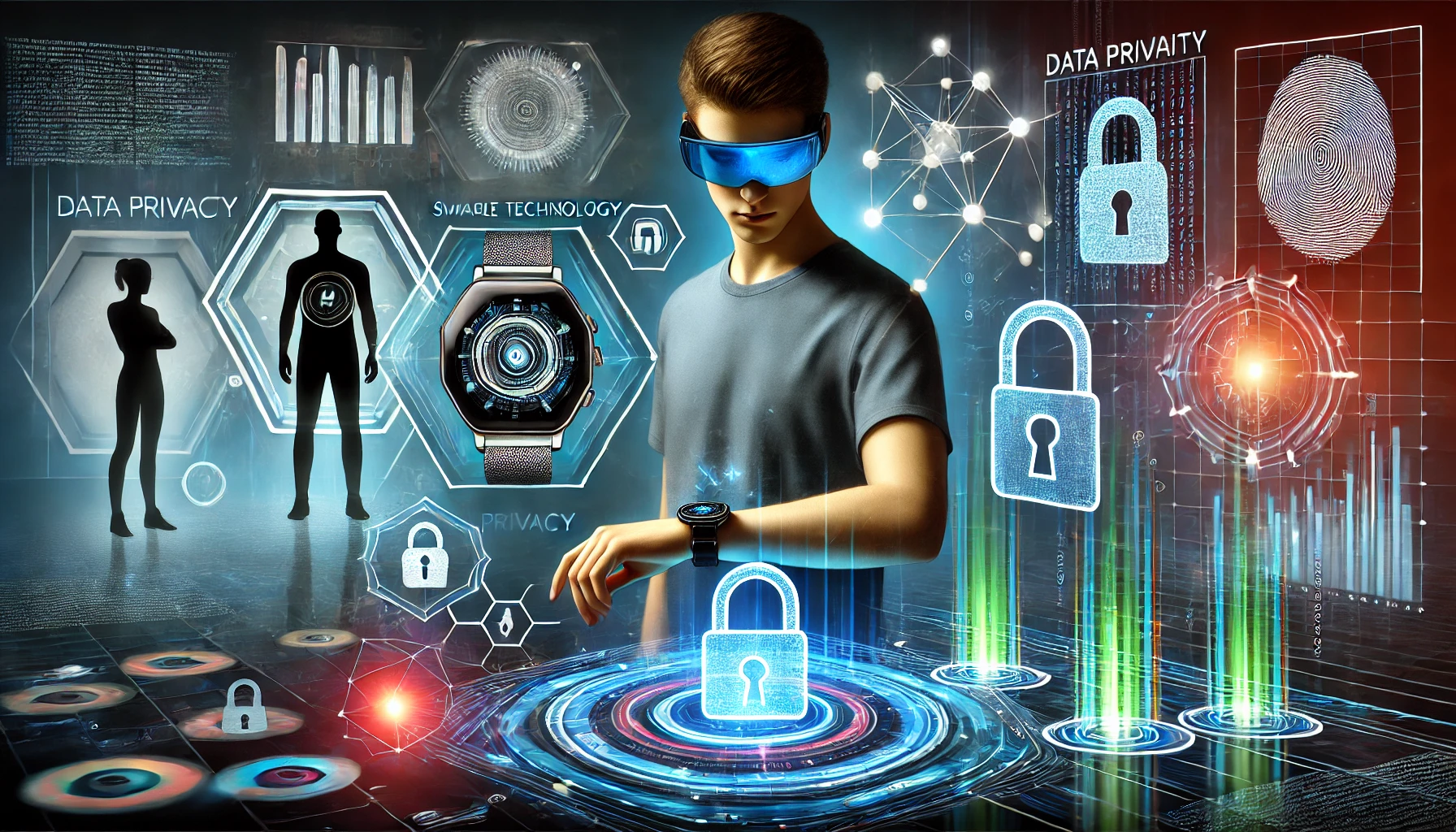
- Data privacy: These devices collect highly sensitive health information. Users need assurance that their data is stored securely and not shared without consent.
- Accuracy: Incorrect health alerts can cause unnecessary panic or, worse, false reassurance. Sensor accuracy must meet high standards, especially for medical-grade devices.
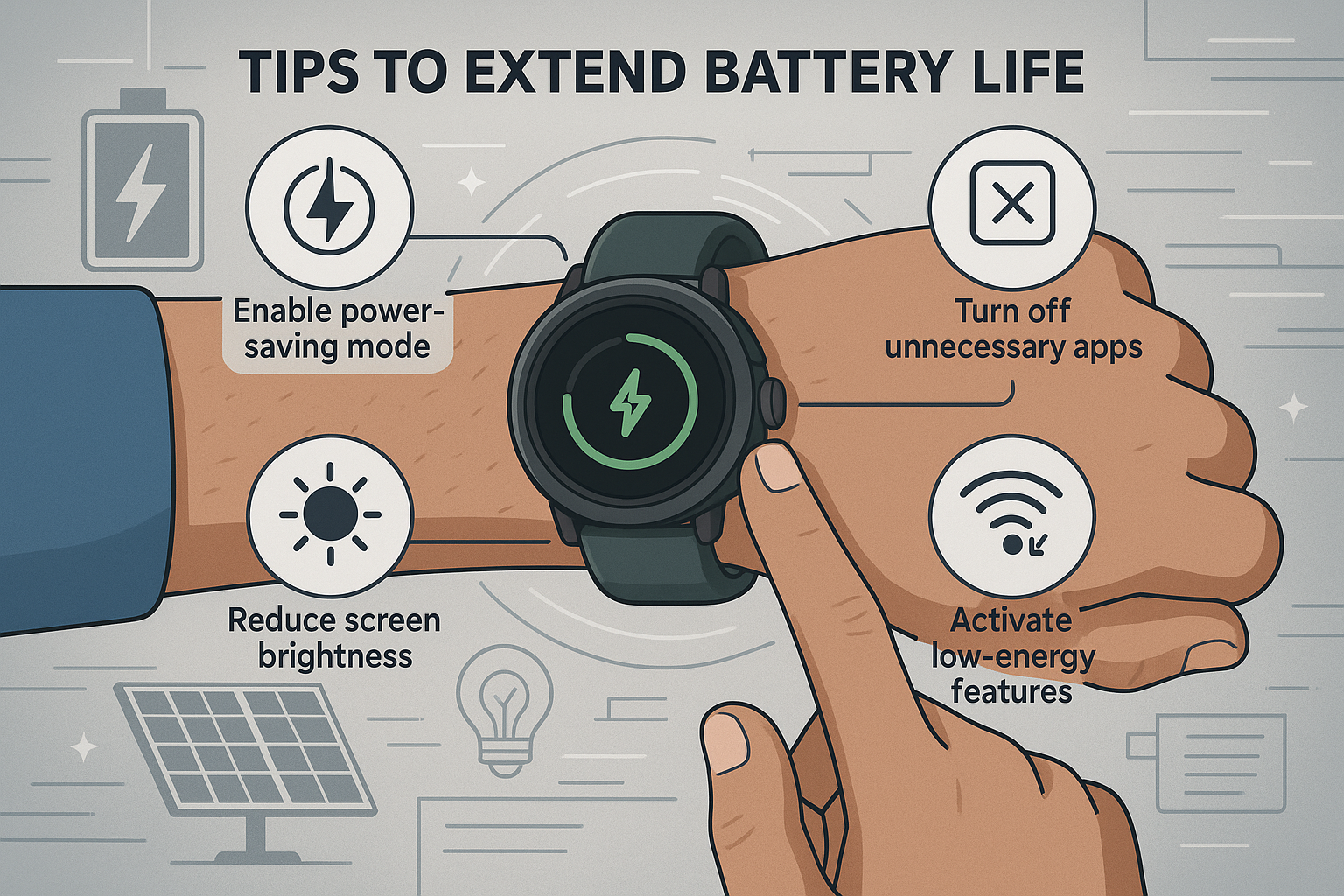
- Battery life and comfort: For a device to be useful, it must be comfortable enough to wear all day and have a battery that lasts long enough to collect continuous data.
- Regulatory oversight: Devices that make health claims need proper certification and regulation to protect consumers from misleading products.
What the Future Holds for Biointelligence Wearables
The next phase of wearable health technology looks even more promising. Researchers and companies are working toward devices that can predict illness before symptoms appear, giving users a genuine head start on prevention.
Future developments expected in this space include:
- Direct integration with telemedicine platforms so doctors can monitor patients remotely in real time
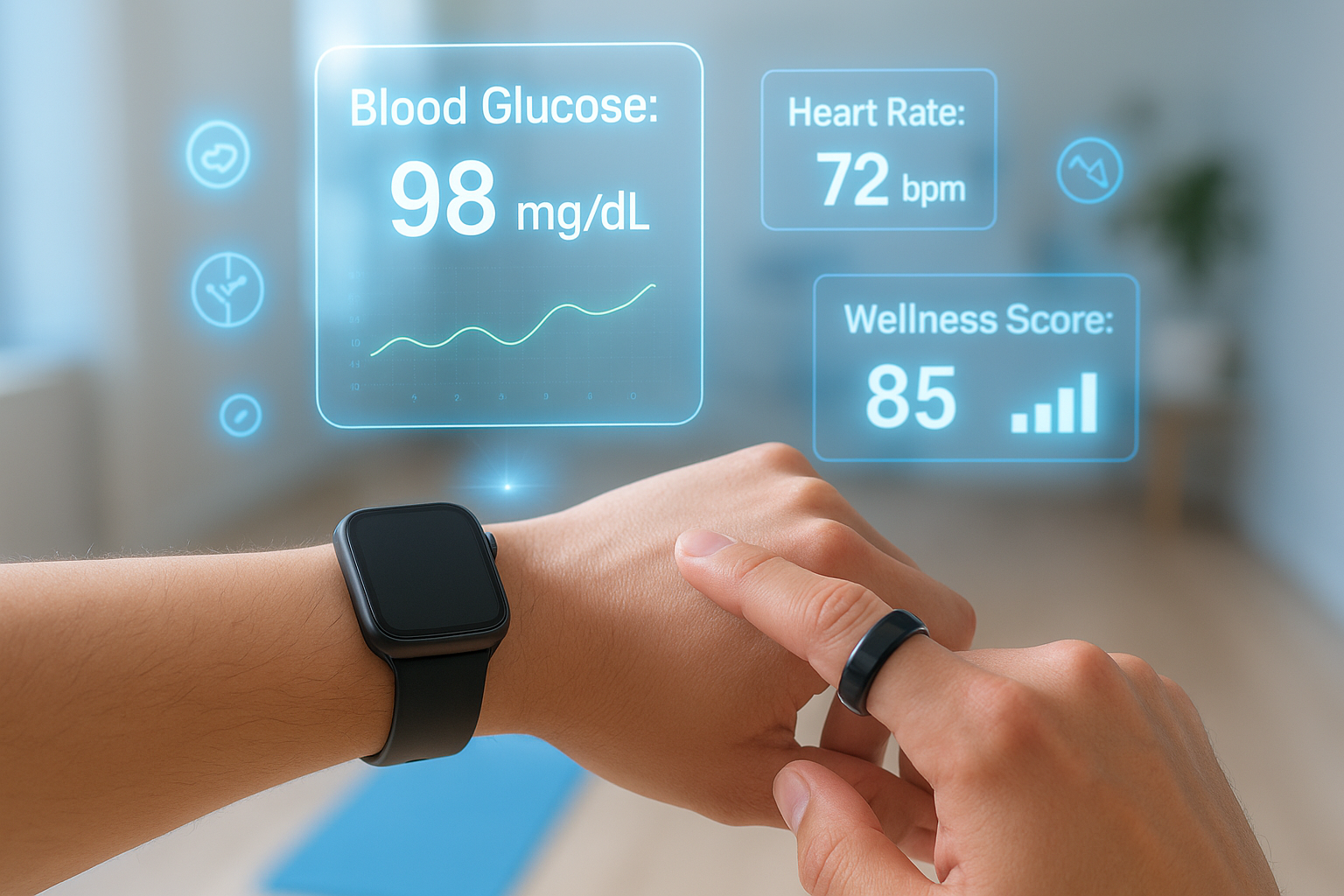
- Non-invasive glucose monitoring for people managing diabetes without painful finger pricks
- Deeper hormonal and metabolic tracking for more complete health pictures
- Wearables that communicate with smart home systems to adjust environment based on your health state
As sensor technology becomes more precise and processing power grows, these devices are on track to become as essential as a smartphone in daily life.
Real-time biointelligence wearables represent a meaningful shift in how people engage with their own health. They move the focus from reactive treatment to proactive prevention — putting useful, personalized health data directly in the hands of the user. While challenges around privacy, accuracy, and regulation remain, the direction is clear: smart wearables are becoming intelligent health companions, and their role in everyday life will only grow stronger in the years ahead.