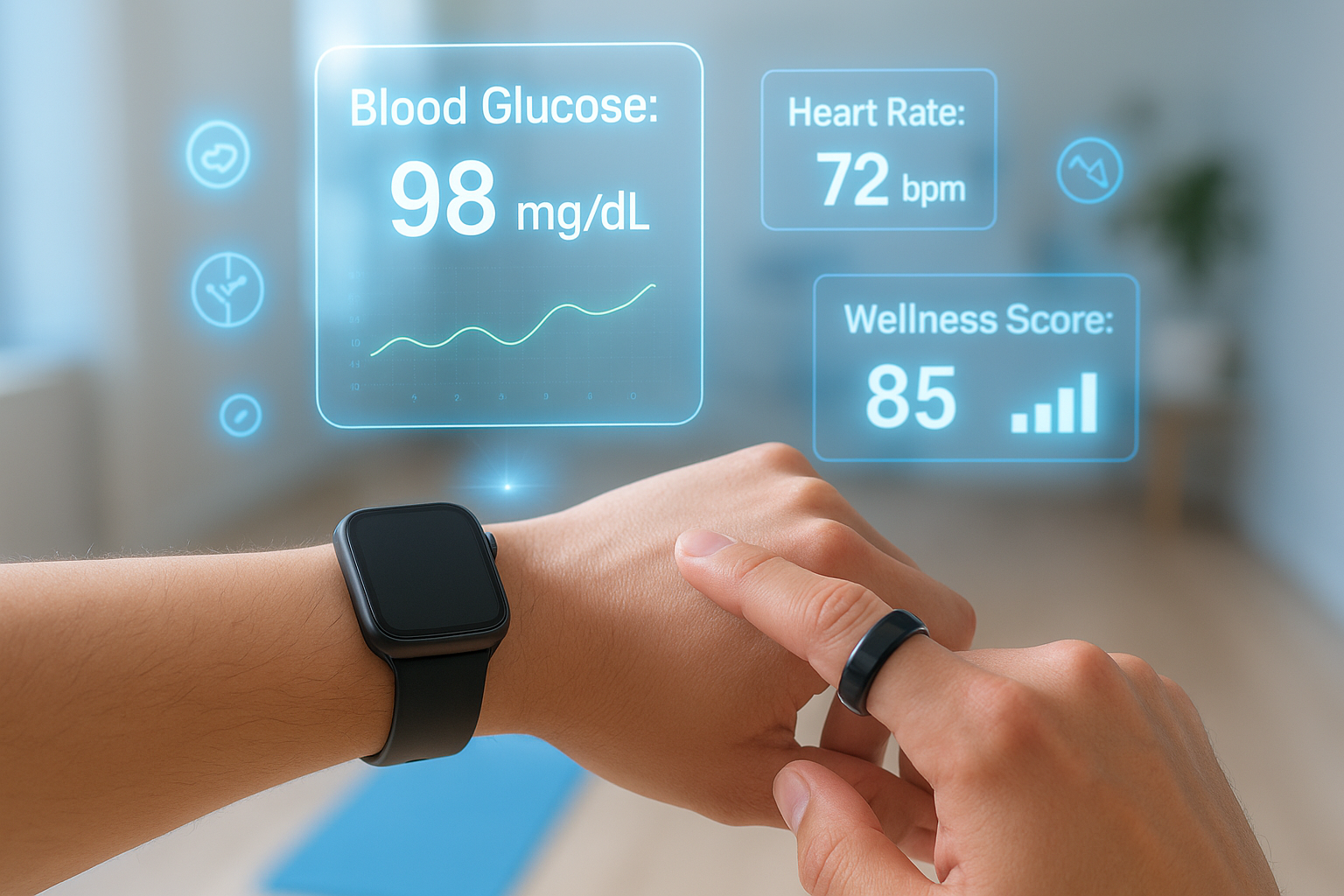
Health-first wearables have moved far beyond counting steps. In 2025, these compact smart devices are tracking heart rhythms, predicting stress, monitoring sleep, and even helping doctors keep an eye on patients remotely. Whether you wear a smartwatch, a smart ring, or a health patch, these gadgets are quietly becoming one of the most important tools for everyday wellness.
What Are Health-First Wearables?
Health-first wearables are devices designed with one primary goal — monitoring and improving your health. Unlike older fitness trackers that simply counted steps or calories, today’s wearables use advanced sensor technology to read your body’s signals continuously and deliver detailed health reports.
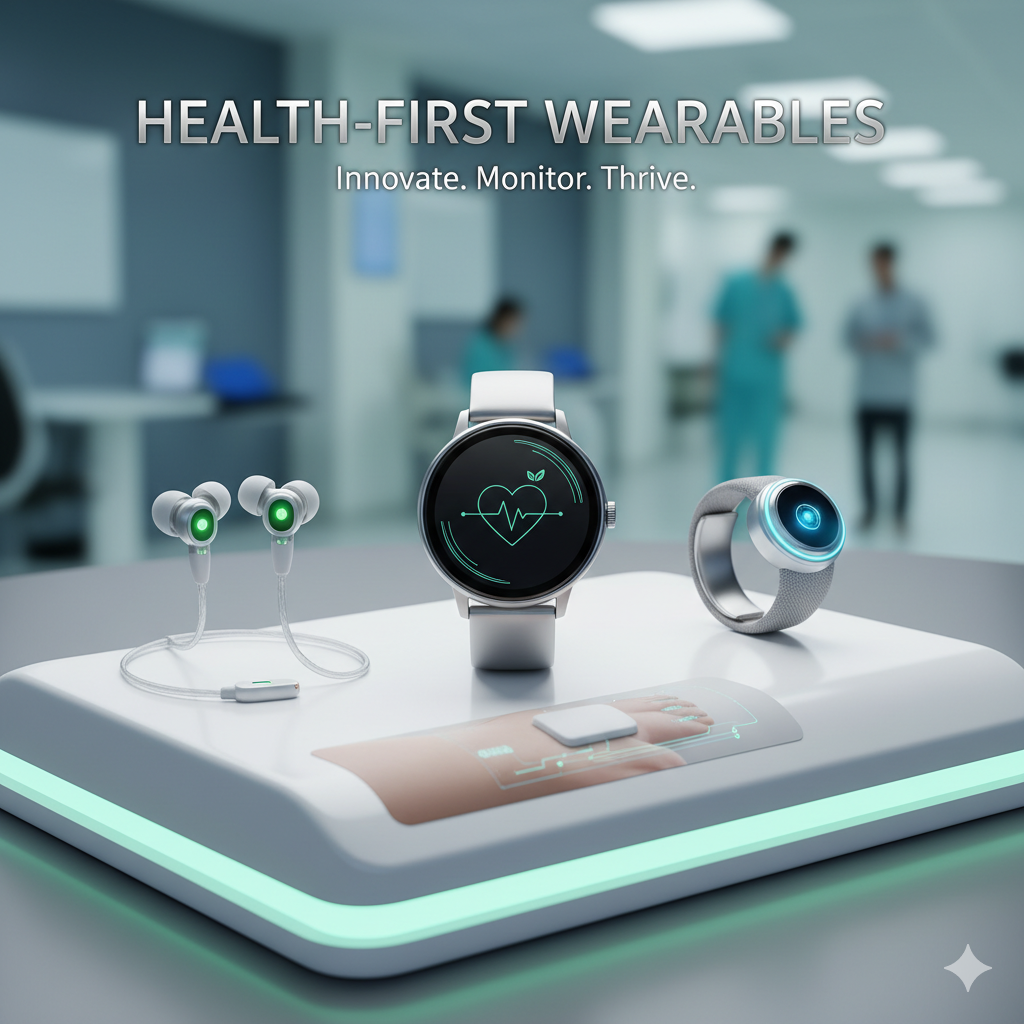
Some of the most popular types of health-first wearables available today include:
- Smartwatches with ECG (electrocardiogram) monitoring for cardiac health
- Smart rings that track sleep quality and stress levels
- Health-monitoring headphones that read body temperature and pulse
- Fitness bands loaded with advanced health sensors
- Body signal patches that measure vital signs continuously
Together, these devices act like a portable, personal health assistant that fits on your wrist, finger, or ear.
Why Are Health-First Wearables Trending in 2025?
Several factors are driving the rapid growth of health-first wearables this year.
1. Growing demand for preventive healthcare
People no longer want to wait until they fall sick to visit a doctor. Wearables help users spot health issues early by continuously monitoring:
- Heart rate
- Blood oxygen (SpO2) levels
- Sleep quality
- Stress levels
- Body temperature
2. Medical-grade sensors in everyday devices
Modern wearables now carry sensors that were once found only in clinical settings. These include:
- ECG monitors
- Blood pressure sensors
- Skin temperature sensors
- SpO2 readers
- Glucose prediction technology (currently in development)
This shift transforms wearables from lifestyle gadgets into genuine health-care tools.
3. Smart insights powered by intelligent algorithms
Early wearables simply displayed raw data. Today’s devices go much further by analyzing patterns in your health data, predicting stress or low energy before you feel it, alerting you when readings look abnormal, and offering personalized health advice. This makes the device feel less like a gadget and more like a knowledgeable health companion.
4. Integration with telehealth and doctors
Many health-first wearables now connect directly with healthcare systems through apps, fitness platforms, hospital dashboards, and corporate wellness programs. This means your doctor can monitor your health data remotely, making follow-up care faster and more effective.
How Health-First Wearables Help You Every Day
These devices offer practical health support across several key areas:
| Health Area | What the Wearable Does |
|---|---|
| Heart Health | Detects irregular heartbeats, tracks blood pressure, sends early warnings |
| Sleep Tracking | Monitors sleep quality, deep sleep duration, and breathing patterns |
| Stress Management | Uses HRV (heart rate variability) to measure stress and suggest relaxation tips |
| Fitness and Recovery | Tells you when your body is ready to train and tracks workout performance |
| Chronic Illness Support | Assists people with diabetes, hypertension, heart conditions, or sleep disorders |
For people managing long-term health conditions, these devices can be especially valuable. They provide a continuous stream of data that helps both the user and their doctor make better decisions without frequent hospital visits.
What Is Coming Next for Health Wearables?
The future of health-first wearables looks promising. Researchers and technology companies are working on several major advancements:
- Non-invasive blood sugar monitoring — measuring glucose levels without any needle prick
- Disease prediction — wearables that can flag potential health issues before symptoms even appear
- Smart textiles and implants — clothing or under-skin devices that monitor health around the clock
- Hydration and electrolyte tracking — helping athletes and patients stay properly hydrated
- Nanoelectronics embedded in the skin — ultra-thin sensors that sit directly on the body surface
As these technologies mature, wearables are expected to become as standard as a thermometer or blood pressure cuff in most households.
Health-first wearables are no longer a luxury for fitness enthusiasts. They are becoming a practical necessity for anyone who wants to take charge of their health. With better sensors, smarter analysis, and deeper integration with healthcare systems, these devices are set to play a central role in how people manage their well-being in the years ahead. If you have not yet explored what a modern health wearable can do for you, 2025 may be the right time to start.