
Smartwatches and fitness trackers have moved far beyond simple step counters. Today, wearable devices are becoming powerful health companions, productivity tools, and style statements. As technology advances rapidly, the next generation of wearables promises to change how we monitor our bodies, manage our homes, and even handle our mental well-being.
Advanced Health Monitoring: Beyond Basic Fitness
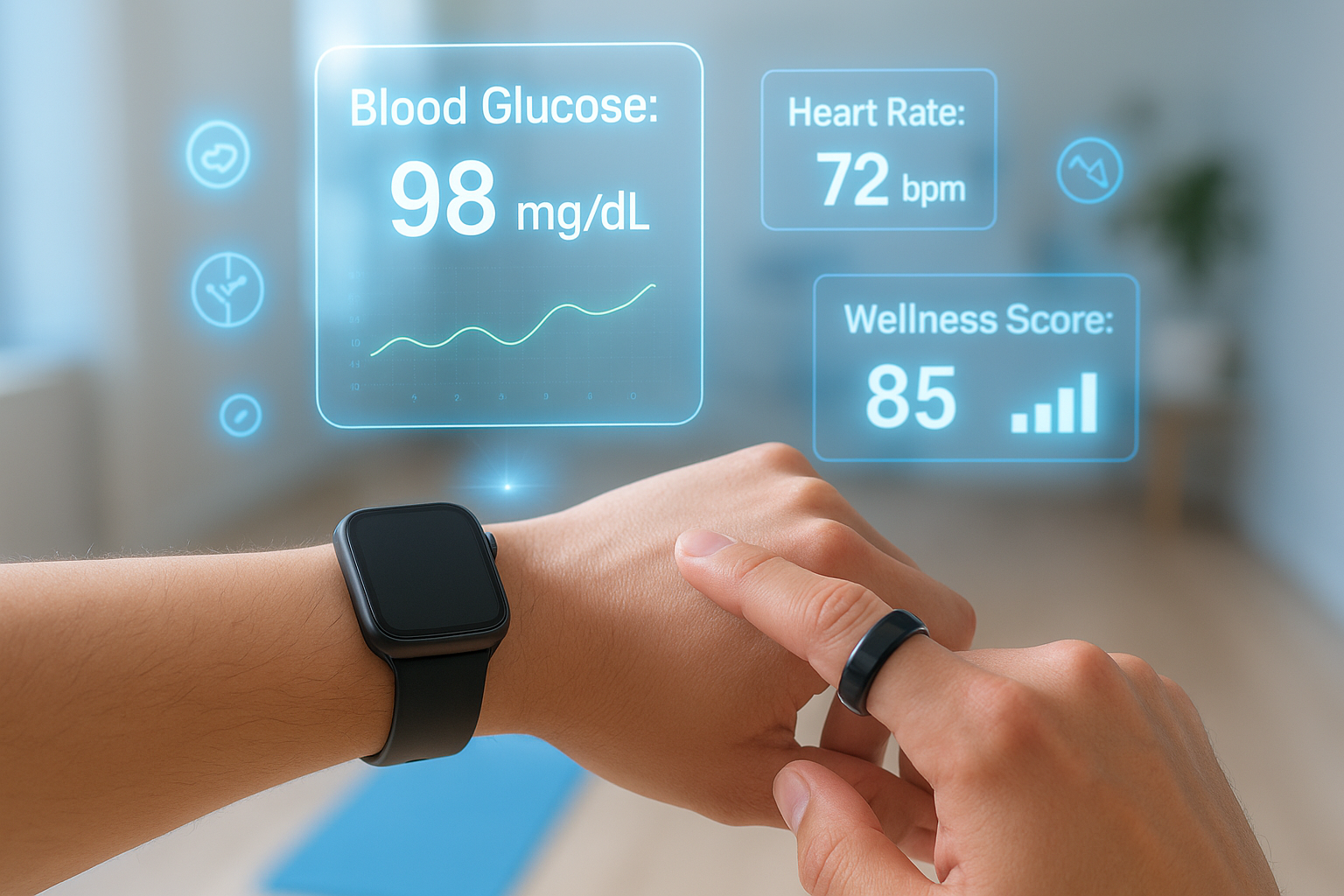
One of the biggest shifts in wearable technology is the depth of health data these devices can collect. Future wearables will carry sensors capable of tracking blood sugar levels, hydration status, stress markers, and even early signs of anxiety — all in real time.
For people managing chronic conditions like diabetes or heart disease, this is significant. Smartwatches will continuously monitor vital signs and send live data directly to healthcare providers, allowing faster and more accurate medical decisions. This kind of constant monitoring puts users in control of their own health in ways that were not possible before.
- Non-invasive blood glucose tracking
- Hydration level monitoring
- Continuous heart rhythm analysis
- Real-time stress and anxiety detection
Smarter Personalisation Through Machine Learning
Wearable devices are getting significantly smarter through the use of machine learning and intelligent algorithms. Rather than showing raw data, future devices will analyse individual patterns and offer personalised health recommendations tailored to each user’s lifestyle and medical history.
Perhaps the most life-saving feature on the horizon is predictive health alerts. A smartwatch, for example, could detect irregular heart rhythms before a user even feels symptoms, prompting them to seek medical attention early. This kind of early warning system could prevent serious health events and save lives.
Personalised coaching for sleep, nutrition, and exercise will also become standard, making wearables feel less like gadgets and more like personal health advisors.
Deeper Integration with Smart Homes and Connected Devices
The next wave of wearables will not work in isolation. These devices will connect more deeply with smartphones, smart home systems, and even vehicles to create a truly connected lifestyle.
Consider a fitness band that communicates with your smart thermostat — adjusting room temperature based on your activity level or sleep stage. Or a smartwatch that unlocks your car door, controls your home lights, or starts your morning routine automatically based on your wake-up data.
- Smart home automation based on activity data
- Seamless syncing with smartphones and tablets
- Integration with connected vehicles
- Unified control of multiple smart devices from the wrist
This level of connectivity will make wearables an essential part of daily life, not just a health accessory.
Mental Health Support and Emotional Wellness Features
Mental health awareness is growing, and wearable technology is responding to that need. Future devices will include dedicated features to support emotional well-being alongside physical health.
Stress tracking is already available on some devices, but upcoming wearables will go further. They will offer guided breathing exercises, mindfulness reminders, and relaxation prompts based on real-time stress data. If a device detects elevated cortisol patterns or a spike in heart rate variability linked to anxiety, it could automatically suggest a short breathing session or a break from screen time.
This shift positions wearables as tools for complete wellness — addressing both the body and the mind.
Design, Privacy, and New Use Cases Beyond Fitness
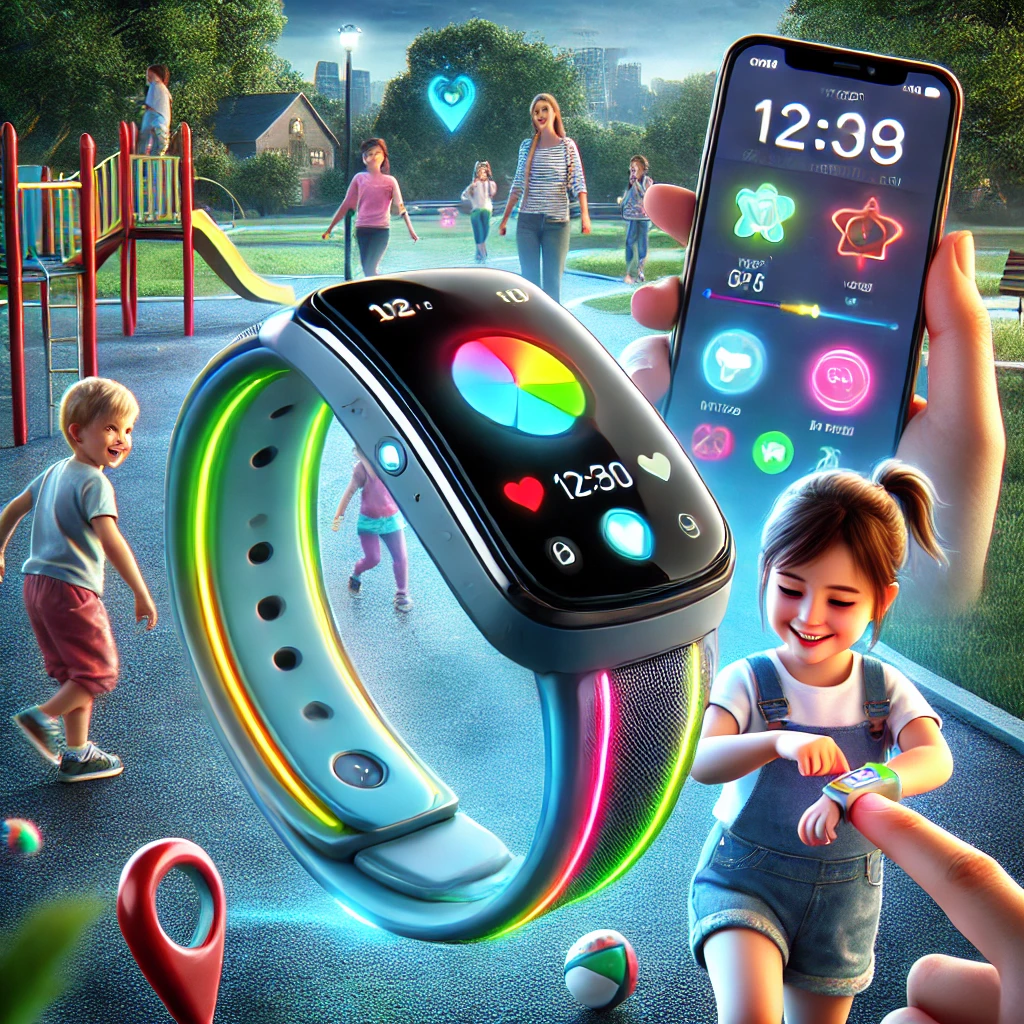
Future wearables will also look better. Manufacturers are investing in customisable designs with varied colours, materials, and styles so users can choose devices that match their personal fashion preferences. This broader appeal will bring wearables to audiences who previously saw them as purely functional gadgets.
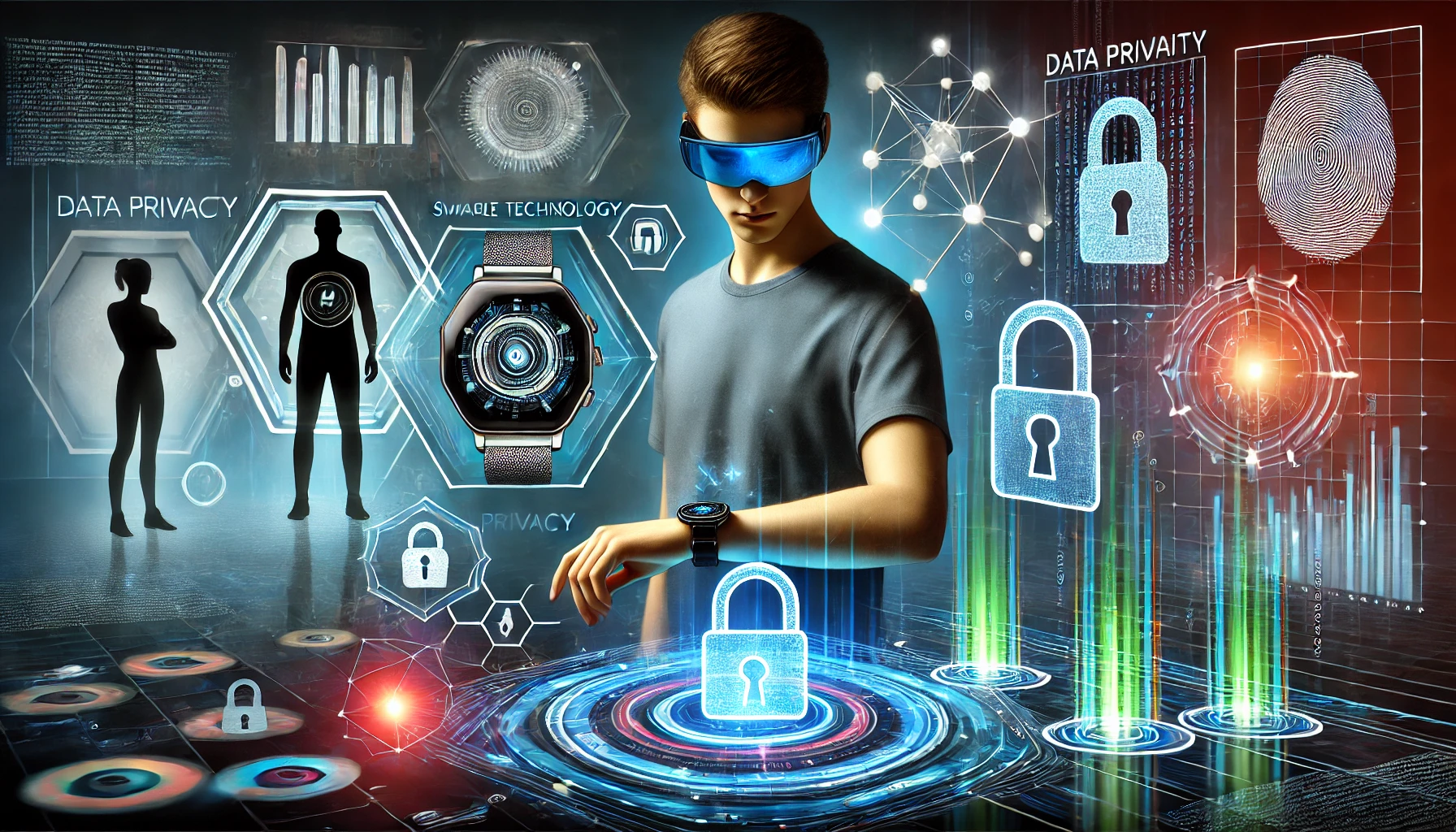
At the same time, data privacy and security will become a top priority. As wearables collect increasingly sensitive health information, companies will need to implement stronger encryption and give users greater control over how their data is stored and shared.
| Use Case | Current State | Future Potential |
|---|---|---|
| Health Monitoring | Steps, heart rate, sleep | Blood sugar, hydration, stress |
| Smart Home | Basic notifications | Full home automation control |
| Mental Health | Basic stress scores | Guided mindfulness, anxiety alerts |
| Work and Education | Calendar alerts | Smart glasses for real-time info |
| Design | Limited options | Fully customisable styles |
Beyond fitness and health, wearables are expanding into education and professional settings. Smart glasses could display real-time information during meetings or training sessions, improving collaboration and productivity. In classrooms, wearables could support hands-on, interactive learning experiences for students.
In conclusion, the future of wearable devices is about much more than counting steps or checking notifications. From advanced health sensors and predictive alerts to mental wellness support and smart home integration, wearables are set to become indispensable tools in everyday life. As these devices grow smarter, more stylish, and more secure, they will appeal to a far wider audience — making personal technology truly personal.