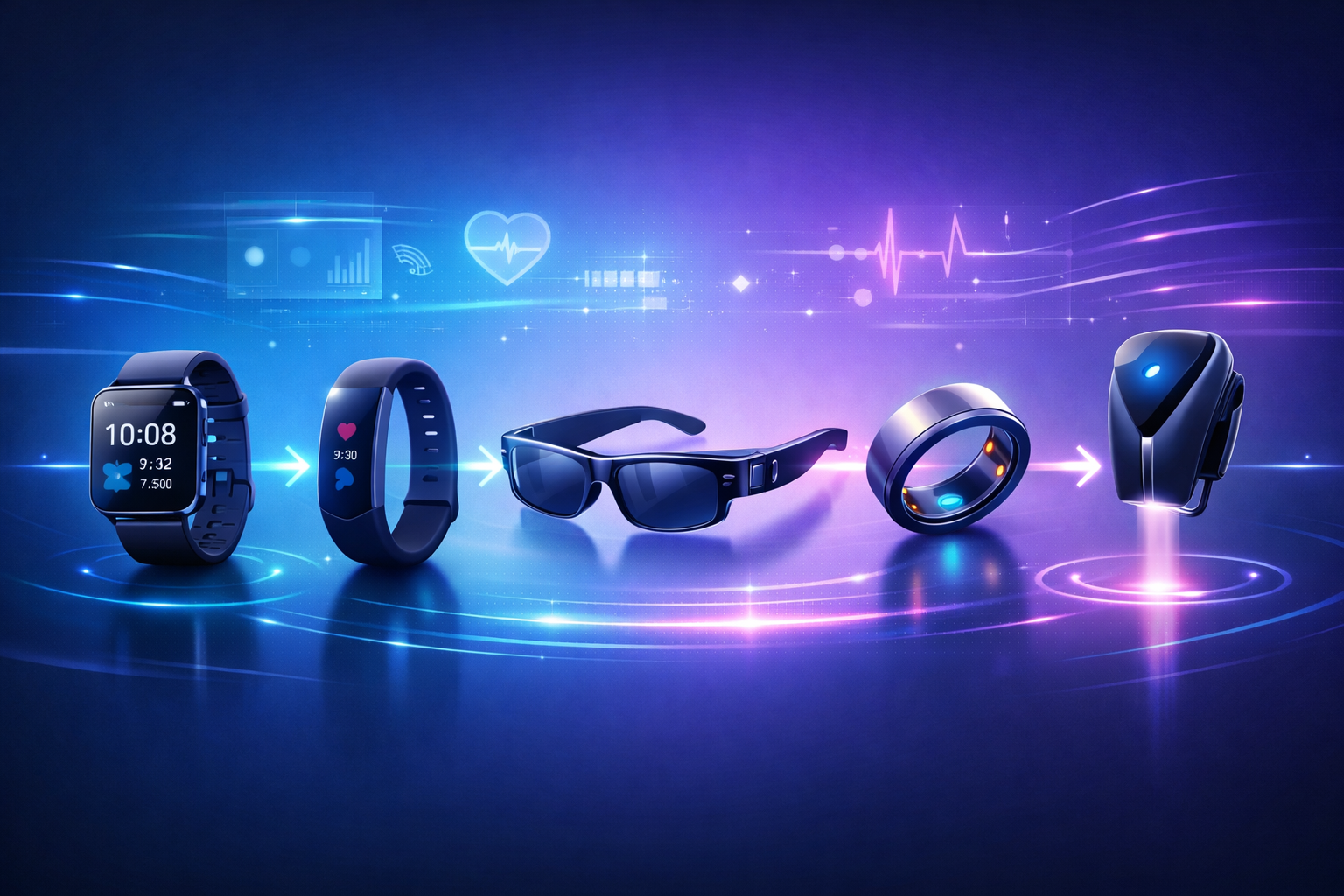
Wearable technology has come a long way from simple digital watches to intelligent devices that clip onto your clothes and act as personal assistants. This journey reflects how deeply technology has woven itself into everyday life — from tracking steps to monitoring heart health and even replacing your smartphone. Here is a look at how wearables have evolved and where they are headed next.
How It All Began: Simple Wearables and Digital Watches
The story of wearable technology starts with basic digital watches. These early devices showed time, set alarms, and offered simple timers. They were practical but limited. As electronics became smaller and more powerful, manufacturers began experimenting with adding more features to devices people could wear on their bodies.
This gradual improvement set the foundation for what would become one of the fastest-growing segments in consumer technology. The idea was straightforward — bring useful technology closer to the user, literally on their body.
The Smartwatch Era: Apple Watch and the Wrist Revolution
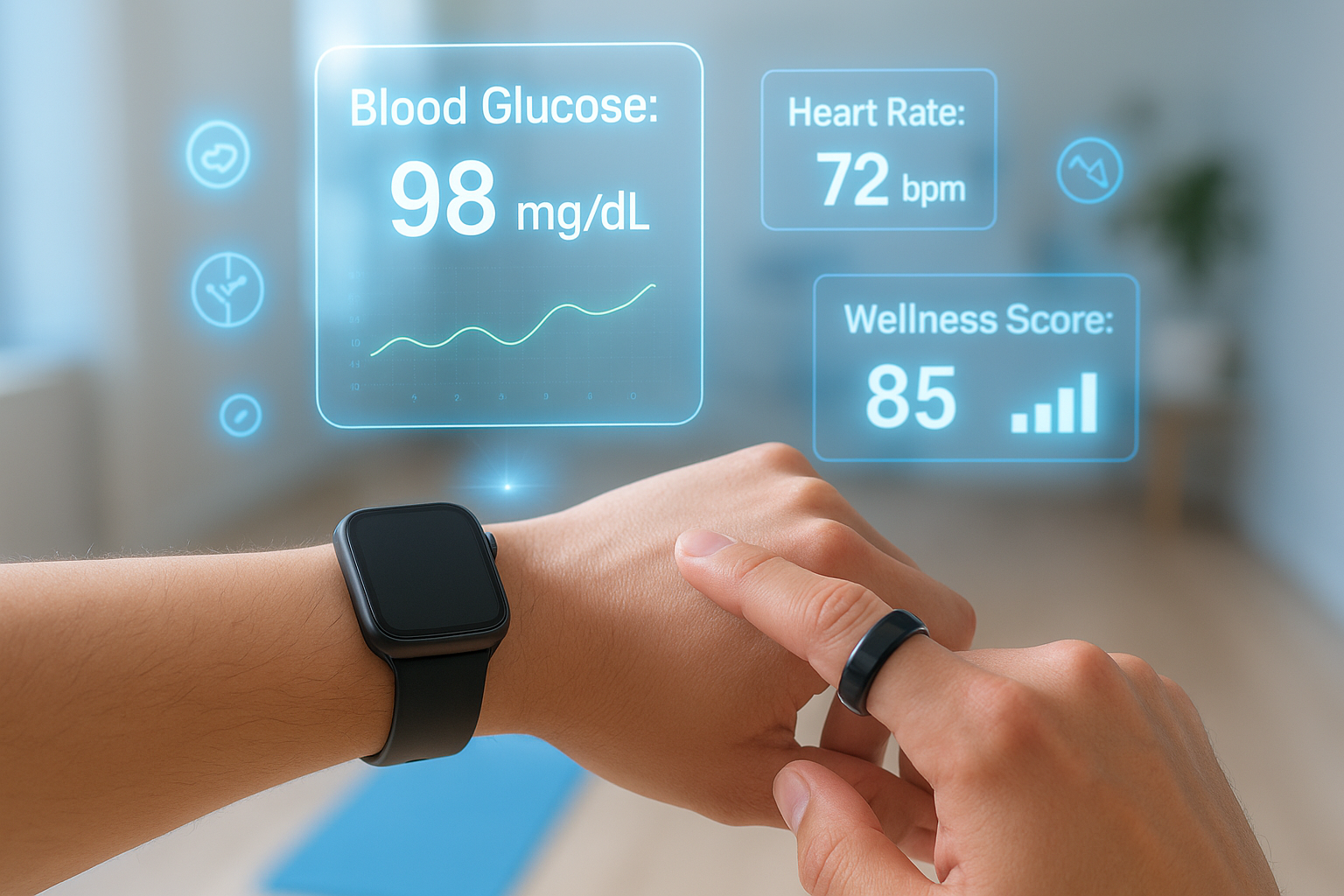
The real turning point came when smartwatches entered the mainstream market. The Apple Watch was a defining product that showed the world what a wrist-worn device could do. Suddenly, your watch could:
- Track your daily steps and physical activity
- Monitor your heart rate in real time
- Display phone notifications and messages
- Support apps for navigation, payments, and fitness
Users no longer needed to pull out their phones every few minutes. Everything important was available at a glance on their wrist. This convenience drove millions of people to adopt smartwatches, making them a staple in both fitness and professional settings.
Fitness Bands Made Health Tracking Accessible to Everyone
While smartwatches were powerful, they were also expensive. This gap was filled by fitness bands, which offered health tracking at a much lower price point. Devices like the Xiaomi Mi Band became hugely popular, especially in markets like India, because they were affordable, lightweight, and easy to use.
Fitness bands helped a much wider audience start paying attention to their health. Key features included:
- Sleep pattern monitoring
- Step counting and calorie tracking
- Basic heart rate measurement
- Long battery life compared to smartwatches
These devices introduced millions of first-time users to wearable technology and created a strong habit of health-conscious living through data.
Smart Glasses and the Hands-Free Experience
As the wearable market matured, companies began pushing beyond the wrist. Smart glasses emerged as a new category that blended the physical and digital worlds. The Ray-Ban Meta Smart Glasses, developed in collaboration between Ray-Ban and Meta, are a strong example of this shift.
These glasses allow users to take photos, listen to music, make calls, and use voice commands — all without touching a phone. The design looks like regular eyewear, which removes the social awkwardness that earlier smart glasses faced.
This category signals a broader trend: wearables are becoming less about screens and more about integrating technology naturally into daily life.
Smart Rings and AI Pins: The Next Generation of Wearables
The latest wave of wearable innovation focuses on making devices even smaller and smarter. Two standout products represent this shift well.
| Device | Type | Key Features |
|---|---|---|
| Oura Ring | Smart Ring | Sleep tracking, heart rate monitoring, health insights without a screen |
| Humane AI Pin | AI Wearable | Clips to clothing, answers questions, gives updates, works as a phone-free assistant |
The Oura Ring tracks detailed health data discreetly, without any display. The Humane AI Pin goes even further — it is a screenless device that uses artificial intelligence to respond to voice commands, deliver information, and help users interact with technology without ever picking up a phone.
These products represent a clear shift from screen-dependent gadgets to intelligent, ambient devices that work quietly in the background.
Why Wearables Are Getting Smaller and Smarter
Several factors are driving the trend toward compact, intelligent wearables:
- Reduced screen time: People are actively looking for ways to stay connected without being glued to a screen.
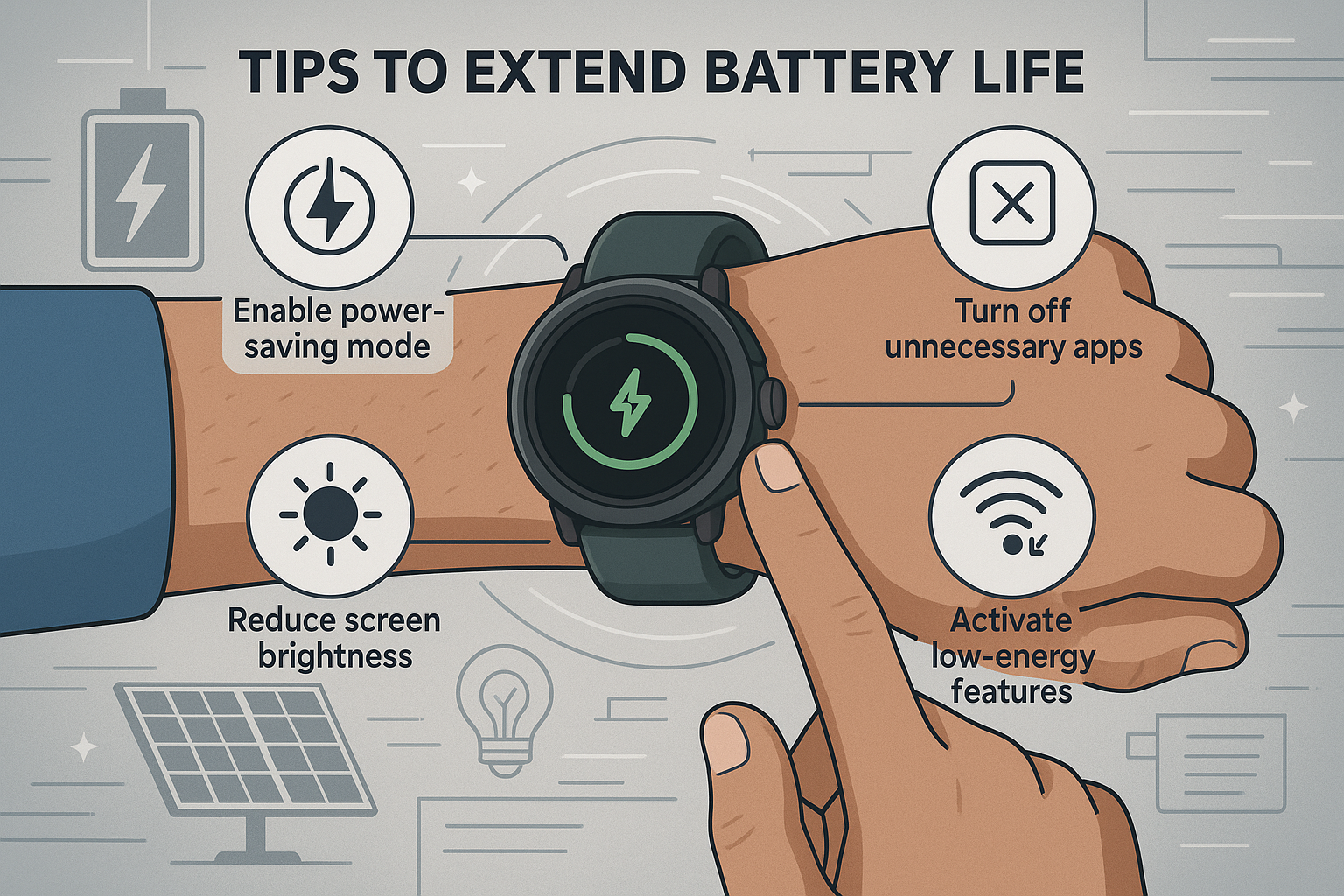
- Better battery technology: Improved batteries allow small devices to run all day without frequent charging.
- Advanced miniaturization: Chips and sensors are now small enough to fit inside a ring or a clip-on pin.
- AI integration: Artificial intelligence allows devices to learn user habits and offer proactive, personalized support.
Together, these factors are pushing wearable technology toward a future where devices are nearly invisible but highly capable.
What the Future of Wearable Technology Looks Like
The road ahead for wearables is full of possibilities. Researchers and companies are already working on concepts like smart contact lenses, health-monitoring clothing, and invisible biosensors embedded under the skin. These next-generation devices aim to make health monitoring continuous and effortless.
The broader goal is clear: technology should support your life without demanding your attention. Future wearables will likely focus on prevention rather than reaction — alerting you to health changes before they become serious problems.
As wearable technology continues to advance, it is set to become one of the most important tools for personal health, productivity, and daily convenience. The shift from watches to AI pins is just the beginning of a much larger transformation in how humans interact with technology.