Managing pain and recovering from injuries no longer means endless clinic visits or relying solely on medication. Wearable technology has opened a new chapter in personal health care, giving people practical tools to handle pain and speed up recovery from the comfort of their own homes. From electrical stimulation to laser therapy, these compact devices are changing how millions of people approach physical wellness every day.
What Are Wearable Pain Relief and Physical Therapy Devices?
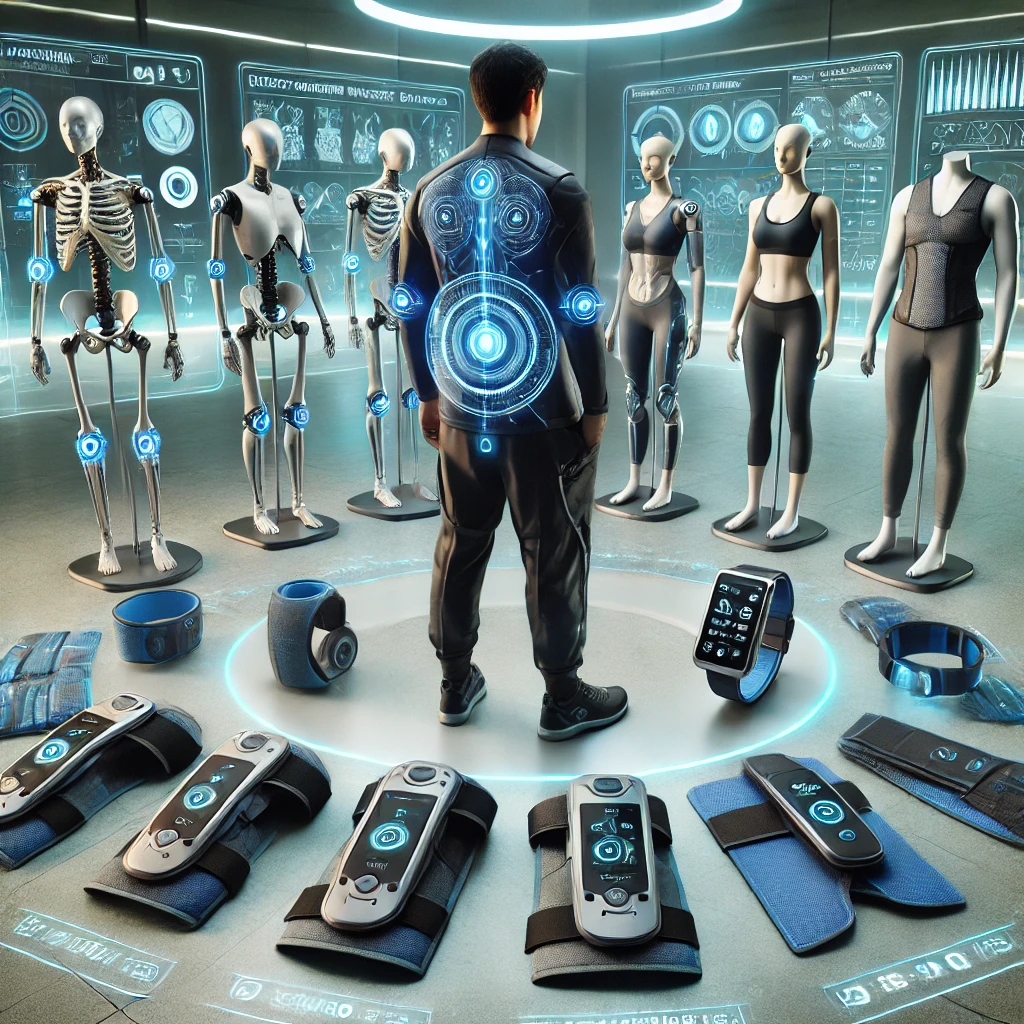
Wearable pain relief and physical therapy devices are compact, body-worn gadgets designed to reduce discomfort and support recovery. They work through proven methods such as electrical stimulation, targeted heat, vibration, and low-level laser therapy.
These devices are suitable for people dealing with:
- Chronic pain conditions like arthritis or lower back pain
- Sports injuries and post-workout muscle soreness
- Recovery after surgery or physical trauma
- General muscle stiffness and joint discomfort
The biggest appeal is that they offer a hands-free, medication-free approach to pain management that fits into daily life without disruption.
Types of Wearable Pain Relief Devices Explained
There are several categories of wearable pain relief gadgets available today, each using a different technology to target pain and support healing.
| Device Type | Technology Used | Best For |
|---|---|---|
| TENS Units | Electrical stimulation | Chronic pain, injury recovery |
| Heat Therapy Wearables | Controlled heat | Back pain, knee stiffness |
| Vibration Therapy Gadgets | Targeted vibration | Muscle recovery, flexibility |
| Laser Therapy Wearables | Low-level laser | Deep tissue pain, arthritis |
TENS Units (Transcutaneous Electrical Nerve Stimulation) are among the most widely used wearable pain devices. They send mild electrical pulses to targeted areas like the back, neck, or shoulders, blocking pain signals and improving blood circulation. They are especially effective for people with long-term pain or those recovering from injuries.
Heat therapy wearables, such as heated wraps and smart pads, deliver consistent warmth to stiff joints and fatigued muscles. Increased blood flow from heat application helps relax tight muscles and reduces soreness, making them popular for back pain and knee discomfort.
Vibration therapy gadgets work like portable massage tools. They produce gentle, targeted vibrations that ease muscle tension and improve flexibility. Athletes and people undergoing physical therapy often use these to accelerate muscle recovery and restore range of motion.
Laser therapy wearables use low-intensity lasers to penetrate deep tissue, speeding up cell repair and reducing inflammation. These are particularly useful for conditions like arthritis or deep muscle injuries where surface-level treatments may not be enough.
Key Benefits of Using Wearable Pain Relief Technology
Wearable pain relief devices offer several practical advantages over traditional pain management methods:
- Anytime, anywhere relief: No appointments needed. You can use these devices at home, at work, or while travelling.
- Drug-free and non-invasive: These gadgets provide pain relief without medication side effects or any procedures that break the skin.
- Personalised settings: Most devices allow users to adjust intensity, heat levels, or vibration frequency to match their comfort needs.
- Faster recovery for active people: Athletes, gym-goers, and injury patients benefit from wearable therapy tools that help reduce downtime and support quicker healing.
- Cost-effective over time: A one-time device purchase can reduce repeated spending on clinic visits or over-the-counter pain medications.
Who Can Benefit Most from These Wearable Devices?
Wearable pain relief and therapy gadgets are not just for people with serious medical conditions. A wide range of users can find value in them:
- Office workers who experience neck stiffness or lower back pain from long hours of sitting
- Athletes and fitness enthusiasts looking to recover faster between training sessions
- Elderly individuals managing chronic joint pain or arthritis
- Post-surgery patients who need gentle, consistent therapy during rehabilitation
- People with physically demanding jobs who deal with regular muscle fatigue
The non-invasive nature of these devices makes them accessible to most people, though it is always advisable to consult a healthcare professional before starting any new pain management routine, especially for serious conditions.
What the Future Holds for Wearable Pain Management Tech
The next generation of wearable pain relief devices is already taking shape. Newer models are being developed with built-in mobile app connectivity that tracks your pain patterns and adjusts therapy settings in real time based on the data collected.
Imagine a device that learns your pain triggers over time and automatically delivers the most effective treatment at the right moment. Researchers and health tech companies are actively working on integrating biofeedback sensors, artificial intelligence-driven personalisation, and longer battery life into these wearables.
As these technologies mature, wearable physical therapy gadgets are expected to become a standard part of home healthcare routines, particularly in a country like India where access to specialised physiotherapy clinics can be limited in smaller cities and rural areas.
Wearable pain relief devices represent a meaningful shift in how people manage their physical health. Whether you are dealing with chronic pain, recovering from an injury, or simply trying to stay active without discomfort, these gadgets offer a practical, safe, and increasingly affordable solution. As the technology continues to improve, these devices will only become more effective and easier to use, making pain management more accessible for everyone.