Wearable technology is entering a new phase where devices no longer depend on wall chargers or power banks. Battery-free and self-charging wearables are gaining serious attention from tech developers, healthcare providers, and fitness enthusiasts alike. These smart gadgets generate their own power from natural sources — making them more practical, sustainable, and reliable for everyday use.
How Self-Charging Wearables Generate Power
Unlike traditional smartwatches or fitness bands that need regular charging, self-charging wearables produce energy on their own using advanced energy-harvesting technologies. The core idea is simple: the device captures energy from its surrounding environment or the user’s body and converts it into usable electricity.
Three main technologies power these devices:
- Thermoelectric energy – Converts the natural heat from your body into electrical power. The temperature difference between your skin and the surrounding air is enough to generate a small but steady current.
- Kinetic energy – Captures energy from physical movement such as walking, running, or even hand gestures. The more active the user, the more power the device generates.
- Solar energy – Tiny photovoltaic cells embedded in the device’s surface absorb sunlight and convert it into electricity, even in low-light conditions.
Some cutting-edge research is also exploring sweat-based energy generation, where biochemical reactions from perspiration are used to power sensors. While still in early stages, this technology shows strong potential for medical and fitness applications.
Types of Energy Sources and Their Practical Use
| Energy Source | How It Works | Best For |
|---|---|---|
| Body Heat | Converts skin temperature into electricity | Medical wearables, health monitors |
| Motion / Kinetic | Harvests energy from movement | Fitness bands, sports trackers |
| Solar Power | Absorbs sunlight via micro solar cells | Outdoor smartwatches, activity trackers |
| Sweat-Based | Uses biochemical energy from perspiration | Advanced health sensors, research devices |
Key Benefits of Battery-Free Wearable Technology
The advantages of self-charging wearables go well beyond just skipping the charger. Here is why this technology matters for users and the environment:
- No charging interruptions – Devices run continuously without needing to be plugged in, which is especially useful for health monitoring.
- Eco-friendly design – Reduced dependence on lithium-ion batteries means less electronic waste and a smaller carbon footprint.
- Lower long-term costs – Users save money on electricity and replacement batteries over time.
- Improved reliability – Continuous operation makes these devices ideal for medical-grade monitoring where data gaps can be critical.
- Lightweight and compact – Removing or reducing battery size allows manufacturers to design slimmer, lighter devices.
Real-World Applications Across Industries
Self-charging wearables are already making an impact in several sectors. In the fitness industry, activity trackers and smart bands can monitor steps, heart rate, and sleep patterns around the clock without needing a charge. Athletes benefit from uninterrupted performance data during training and recovery.
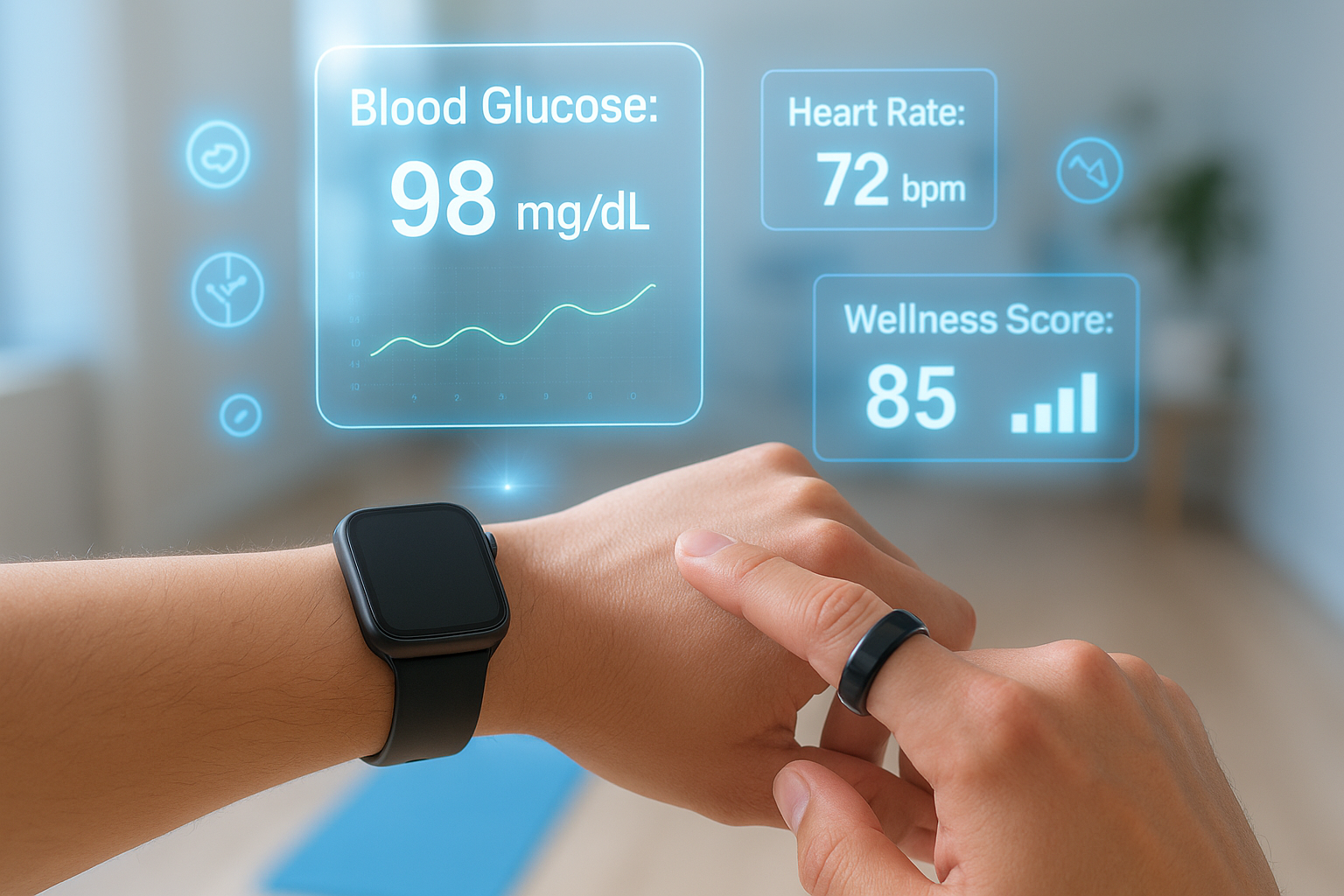
In healthcare, continuous monitoring is critical. Wearable ECG monitors, glucose sensors, and blood pressure trackers powered by body heat or motion can provide real-time data to doctors without the patient needing to remember to charge the device. This is particularly valuable for elderly patients or those with chronic conditions.
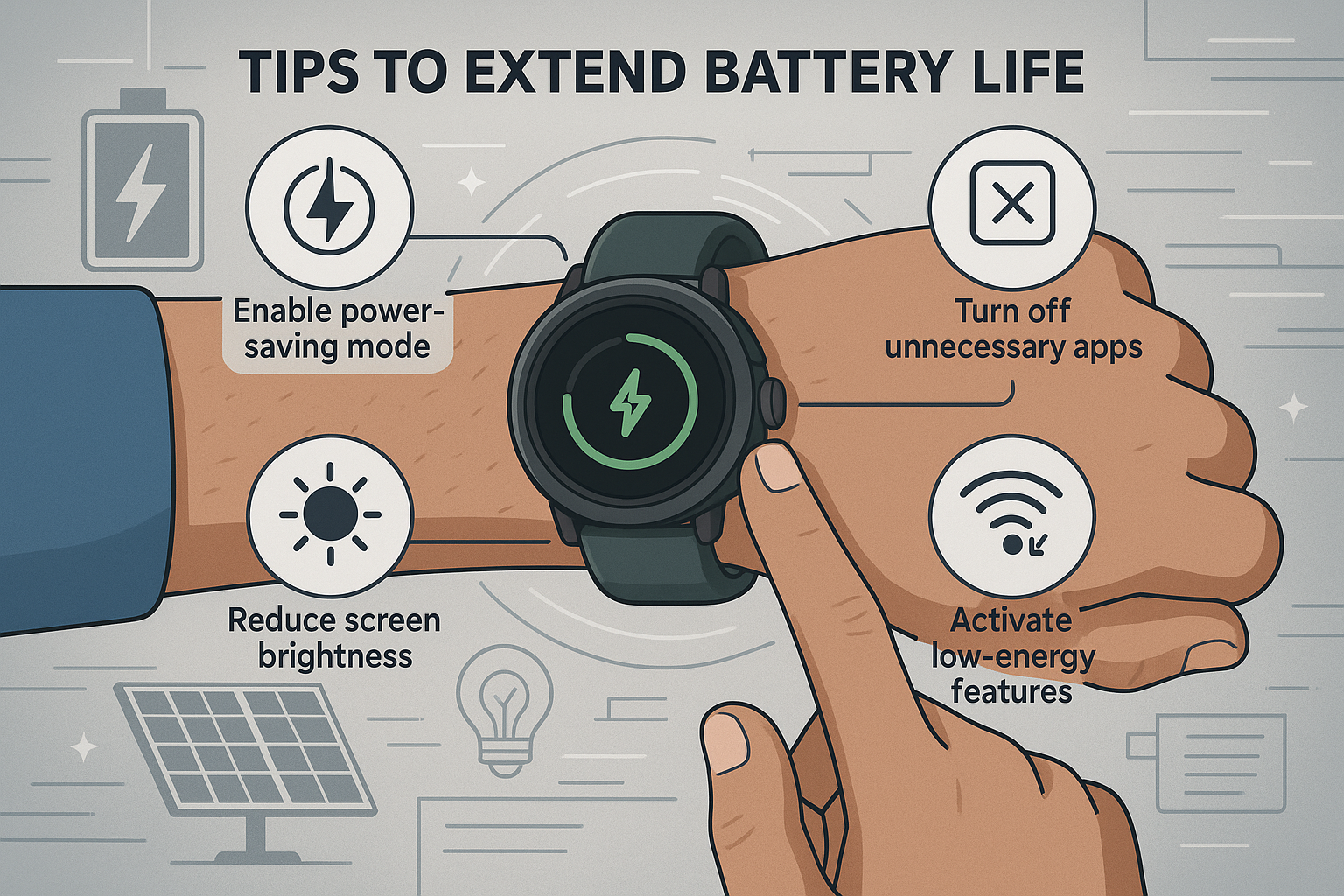
In consumer electronics, smartwatch brands are already experimenting with hybrid solar-kinetic charging systems. Some models available today use solar panels on the watch face to extend battery life significantly, reducing the need for daily charging.
What the Future Holds for Self-Powered Wearables
The next generation of wearables is expected to combine multiple energy sources simultaneously. A single device may harvest body heat, movement, and sunlight all at once, making it truly battery-free in most real-world conditions.
Researchers are also working on improving energy storage micro-components so that harvested energy can be stored more efficiently for use during low-activity periods such as sleep. As materials science and microelectronics advance, these devices will become smaller, more powerful, and more affordable.
The integration of self-charging technology with health tracking sensors, smart clothing, and even implantable medical devices is on the horizon. This will open new possibilities in preventive healthcare, remote patient monitoring, and personalised fitness coaching.
Battery-free wearables represent more than a technical achievement — they signal a shift toward sustainable, user-friendly technology that works with the human body rather than against it. As this space grows, consumers can expect smarter devices that demand less from them while delivering more.