
Augmented reality wearables are no longer just a concept from science fiction. From smart glasses that guide you through unfamiliar streets to headsets that assist surgeons in the operating room, AR wearables are quietly becoming part of how people live and work. Here is a closer look at what these devices are, how they work, and why they matter.
What Are AR Wearables?
AR wearables are smart devices — mostly glasses or headsets — that layer digital information on top of your real-world view. Unlike virtual reality, which replaces your surroundings entirely, augmented reality keeps you grounded in the real world while adding useful digital content on top of it.
Think of it as having a helpful assistant built into your glasses. You can see directions, messages, reminders, and product details right in front of your eyes — without pulling out your phone. This makes the experience feel natural and far less disruptive to daily life.
How Do AR Wearables Actually Work?
These devices rely on a combination of cameras, sensors, and processors to understand your environment in real time. Once the device knows what is around you, it places relevant digital content directly in your line of sight.
- Cameras capture the environment around you continuously.
- Sensors track your movement, head position, and depth.
- Processors analyse the data and decide what digital content to display.
- Displays project the information onto lenses so it appears in your field of view.
For example, if you are walking in an unfamiliar city, AR glasses can overlay navigation arrows directly onto the road ahead. Everything updates in real time, so the experience stays accurate and smooth.
Everyday Uses of AR Wearables
AR wearables are finding their way into a wide range of daily activities. Some of the most practical uses include:
- Navigation: Get turn-by-turn directions without looking at your phone.
- Language translation: See translated text overlaid on signs or menus while travelling abroad.
- Shopping: Try on products virtually before making a purchase decision.
- Gaming and entertainment: Experience games that blend digital characters with your real surroundings.
- Fitness: Track workout stats in real time without checking a separate device.
These use cases show how AR wearables can reduce screen dependency and make everyday tasks faster and more convenient.
AR Wearables in Healthcare and Professional Settings
Beyond personal use, AR wearables are making a strong impact in professional environments.
In healthcare, surgeons can view critical patient data during procedures without shifting their focus away from the operating area. This reduces errors and improves precision. Medical training also benefits, as trainees can follow step-by-step visual instructions overlaid on real scenarios.
In manufacturing and field service, workers can follow guided repair or assembly instructions displayed directly in their field of view. This hands-free approach reduces mistakes, speeds up training, and improves overall safety on the job.
| Sector | Key AR Wearable Use | Main Benefit |
|---|---|---|
| Healthcare | Surgical data overlay | Fewer errors, better focus |
| Manufacturing | Step-by-step repair guidance | Faster training, less downtime |
| Retail | Virtual product try-on | Better purchase decisions |
| Travel | Real-time language translation | Easier communication abroad |
Challenges Holding AR Wearables Back
Despite the promise, AR wearables still face real hurdles before they become mainstream.
- Privacy concerns: Because these devices use cameras constantly, they raise serious questions about data collection and surveillance in public spaces.
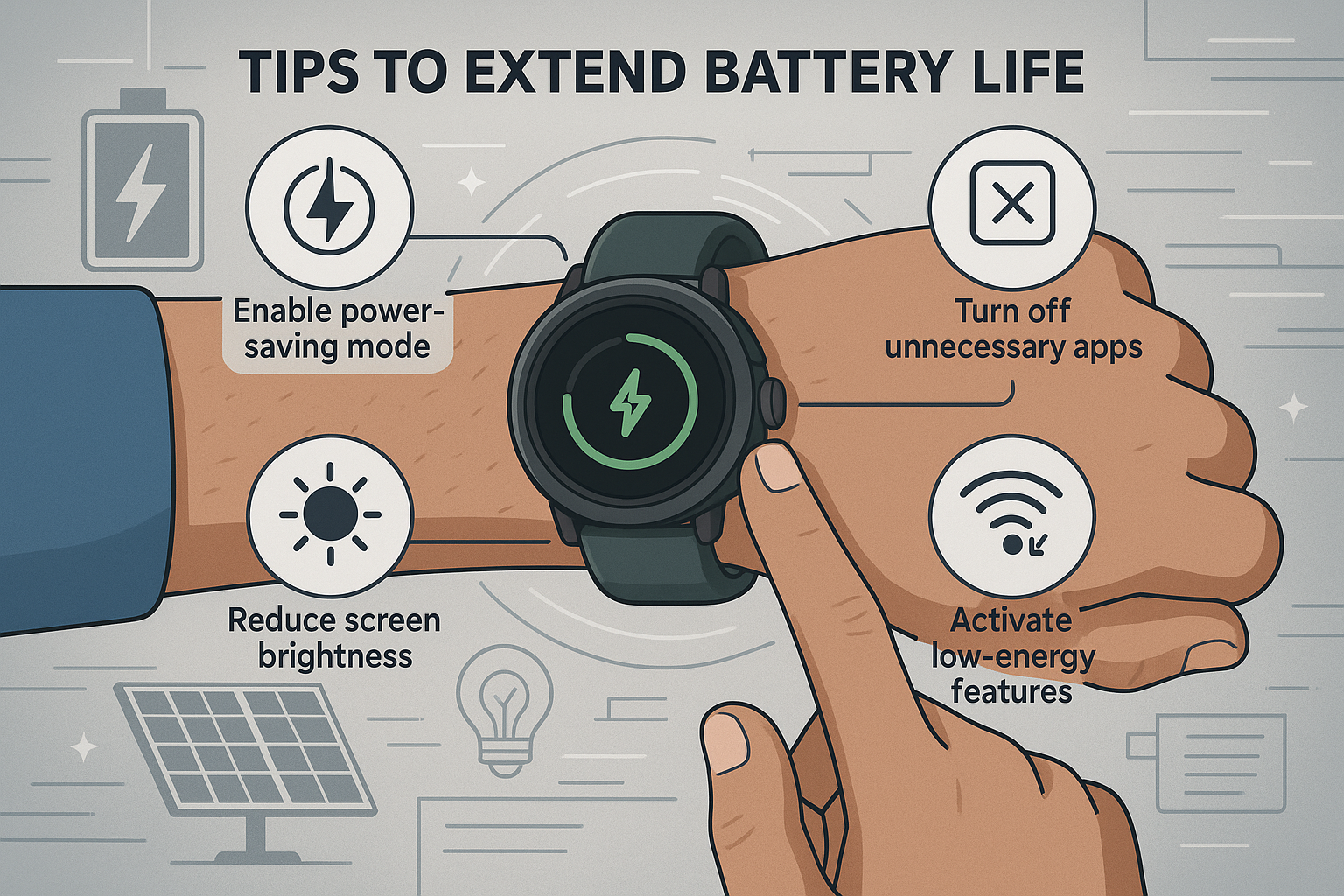
- Battery life: Most current devices cannot last a full day on a single charge, which limits their practical use.
- Cost: High-quality AR wearables remain expensive, putting them out of reach for most consumers.
- Comfort and design: Many users find it uncomfortable to wear smart glasses for extended periods, and the designs are not always discreet.
Solving these challenges will be key to wider adoption in the coming years.
What the Future of AR Wearables Looks Like
The trajectory for AR wearables is clearly upward. Devices are getting lighter, more stylish, and more capable with each new generation. Artificial intelligence is playing a growing role — helping glasses recognise objects, understand context, and respond to voice commands instantly.
In the near future, AR glasses could replace smartphones for many everyday tasks — messaging, navigation, entertainment, and more. The goal is a world where technology fits naturally into your life without demanding constant attention from a handheld screen.
Major technology companies and startups alike are investing heavily in this space, signalling that AR wearables are not a passing trend but a significant shift in how people interact with digital information.
As the technology matures and prices drop, AR wearables are set to become as common as the smartphone — and potentially just as transformative for daily life.
Frequently Asked Questions
AR wearables overlay digital information on top of your real-world view, so you remain aware of your surroundings. VR headsets, on the other hand, replace your entire field of vision with a fully digital environment, cutting you off from the real world.
AR glasses are generally safe to use, but they do raise privacy concerns because they are equipped with cameras. Many public spaces and individuals may be uncomfortable being recorded. Regulations around their use in public are still developing in most countries.
AR wearables vary widely in price depending on the brand and features. Entry-level smart glasses can start at a few thousand rupees, while advanced AR headsets used in professional settings can cost several lakhs. Consumer-grade AR glasses are expected to become more affordable as the technology matures.