Smartwatches, fitness trackers, and smart glasses have come a long way from simply counting steps or showing notifications. Today, these devices are becoming part of larger, intelligent networks that work together quietly in the background to make your life easier. This shift is driven by two key ideas: AI ecosystems and ambient computing.
What Is an AI Ecosystem in Wearables?
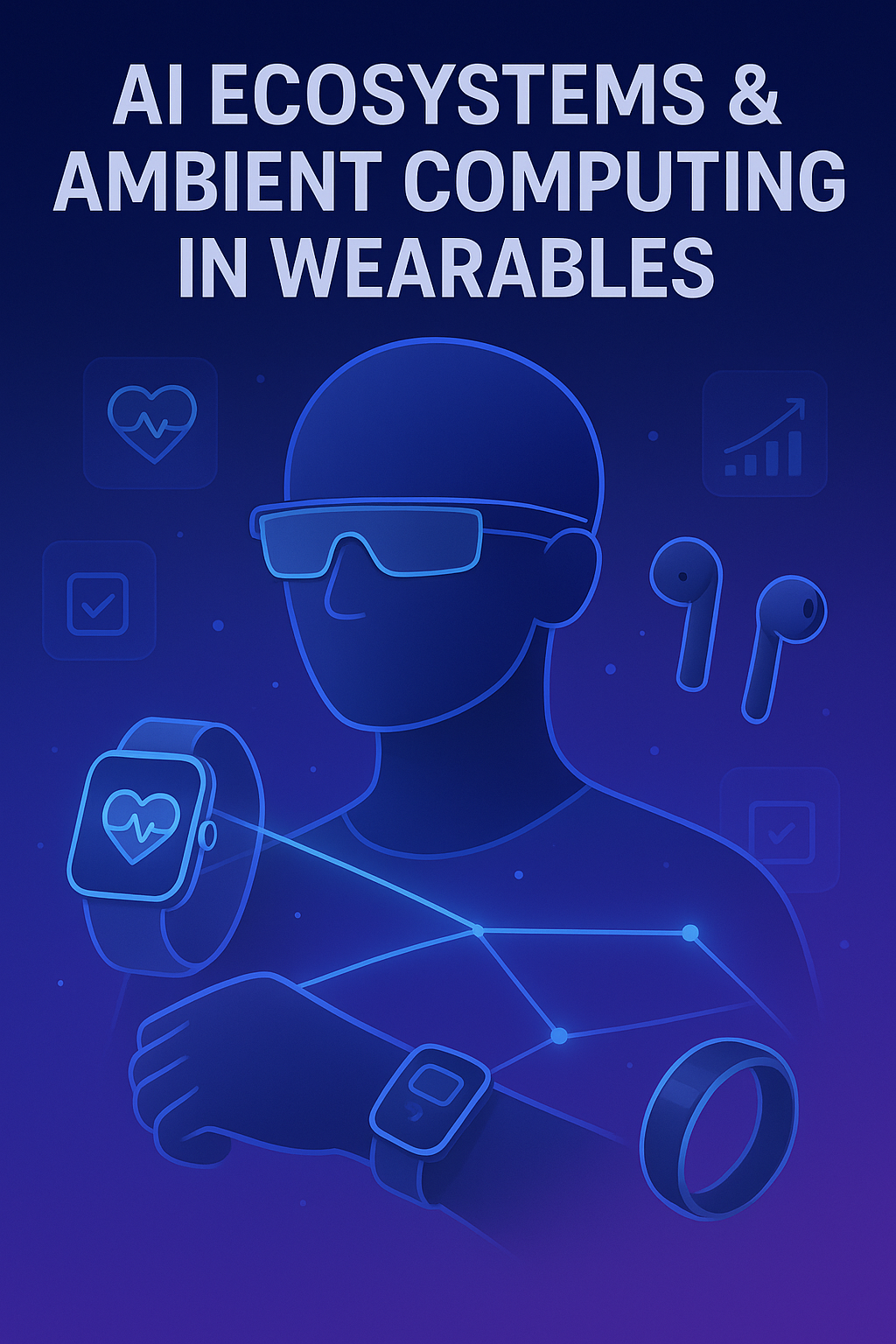
An AI ecosystem is a connected group of devices that share data and work together through artificial intelligence. Instead of each gadget working on its own, they communicate with each other to give you a richer, more complete experience.
Here is a simple way to understand it:
- Your smartwatch monitors your heart rate throughout the day.
- Your earbuds detect stress patterns in your voice.
- Your smart glasses display navigation directions right in your field of view.
All three devices share their data through AI, which then builds a fuller picture of your health, habits, and needs. The result is a personalised experience that no single device could offer on its own.
What Is Ambient Computing and Why Does It Matter?
Ambient computing refers to technology that works in the background without you having to ask it to do anything. It is the idea that your devices should anticipate your needs and act on them automatically.
Some real-world examples include:
- Your steps are tracked without you opening a fitness app.
- Your wearable sends you a health reminder based on your activity levels.
- Your smart devices learn your daily routines and offer help before you even think to ask.
Think of it as having a quiet personal assistant that is always paying attention, always ready, and never in the way. The technology fades into the background while the benefits stay front and centre.
How Leading Brands Are Building These Connected Systems
Several major technology companies are already building wearable ecosystems that bring AI and ambient computing together. Here is how some of them are doing it:
- Google Pixel Watch, Pixel Buds, and Google Glasses work together with Google’s Gemini AI to support health tracking, productivity, and real-time navigation.
- Samsung Galaxy Ring and Galaxy Watch combine health data from both devices to give users a more complete view of their physical wellbeing.
- Meta Smart Glasses use built-in AI for instant voice interaction and on-the-spot assistance.
The trend is clear. Companies are moving away from building standalone gadgets and are instead creating linked systems where each device adds value to the others.
| Brand | Devices in Ecosystem | AI Platform |
|---|---|---|
| Pixel Watch, Pixel Buds, Smart Glasses | Gemini AI | |
| Samsung | Galaxy Ring, Galaxy Watch | Samsung Health AI |
| Meta | Meta Smart Glasses | Meta AI |
Key Benefits for Everyday Users
You do not need to be a tech enthusiast to benefit from these developments. Here is what AI-powered wearable ecosystems can do for regular users:
- Smoother daily experience: Devices connect automatically, so you do not need to switch between apps or manually sync data.
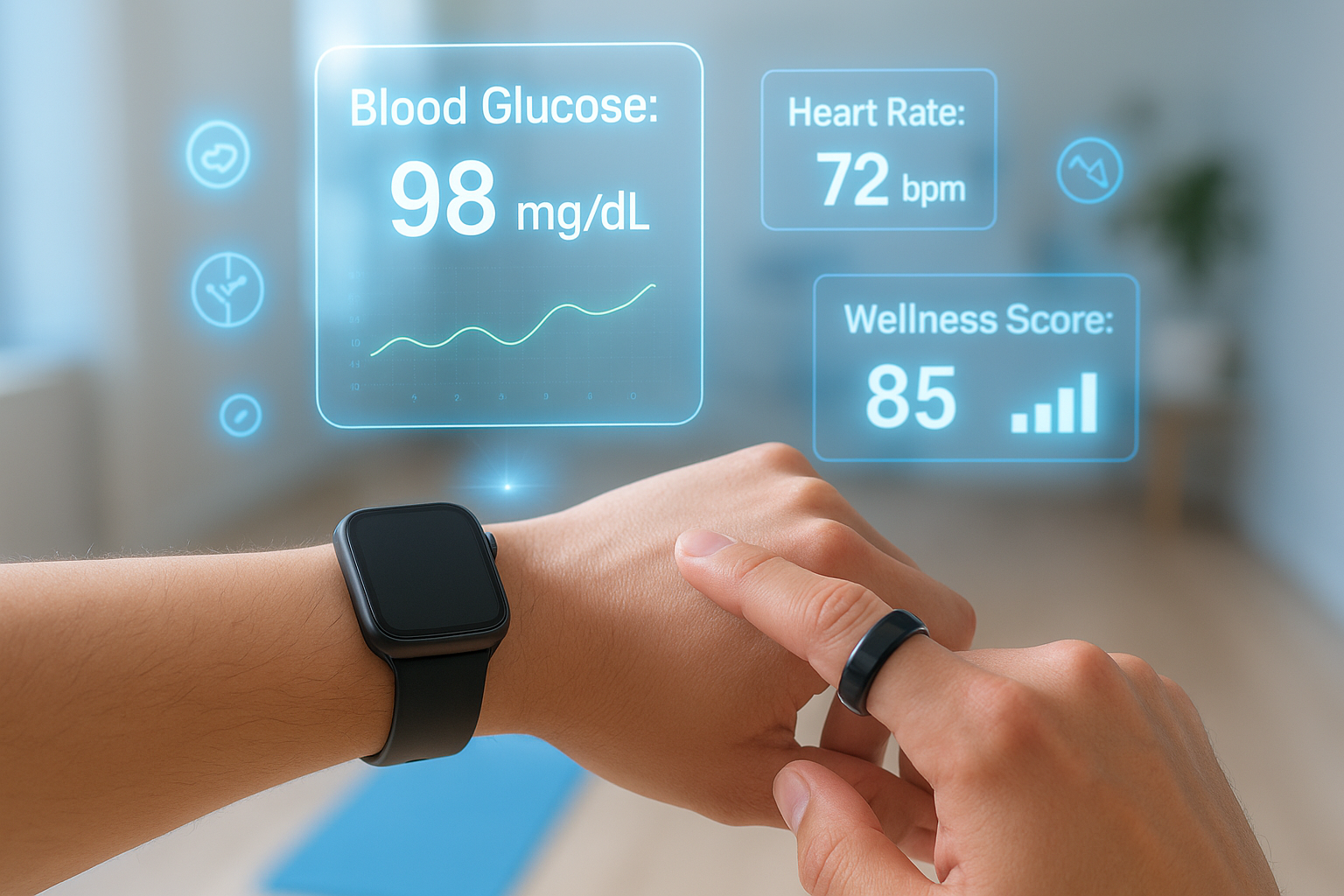
- Better health monitoring: AI combines sleep data, fitness activity, and stress signals from multiple wearables to give more accurate health insights.
- Greater daily efficiency: From setting reminders to guiding you through unfamiliar areas, AI handles small tasks so you can focus on what matters.
- Saves time and effort: Because the technology works in the background, you spend less time managing your devices and more time living your life.
What This Means for the Future of Wearable Technology
The wearable industry is shifting from individual products to intelligent platforms. A smartwatch alone can tell you your heart rate. But a smartwatch connected to earbuds, smart glasses, and an AI platform can understand your stress levels, suggest a break, guide you to a nearby park, and play calming audio — all without you lifting a finger.
As these ecosystems grow more sophisticated, the line between technology and daily life will continue to blur. Wearables will not feel like gadgets you use. They will feel like a natural extension of how you move through the world.
In the coming years, users who adopt connected wearable ecosystems will likely see real improvements in health awareness, time management, and overall convenience. The technology is already here. The question is how quickly it becomes a standard part of everyday life in India and around the world.