
Wearable gadgets have come a long way from counting steps and buzzing with notifications. Today, a new generation of AI-powered wearables can study your habits, detect health patterns, and offer real-time guidance — all without you lifting a finger. These intelligent devices are quietly changing how people manage their health, fitness, and daily routines.
What Does It Mean for a Wearable to “Think” for You?
A wearable that thinks for you is not just a device that records data — it is one that understands what that data means. Using machine learning and on-device processing, these gadgets analyze patterns over time and take action based on what they learn.
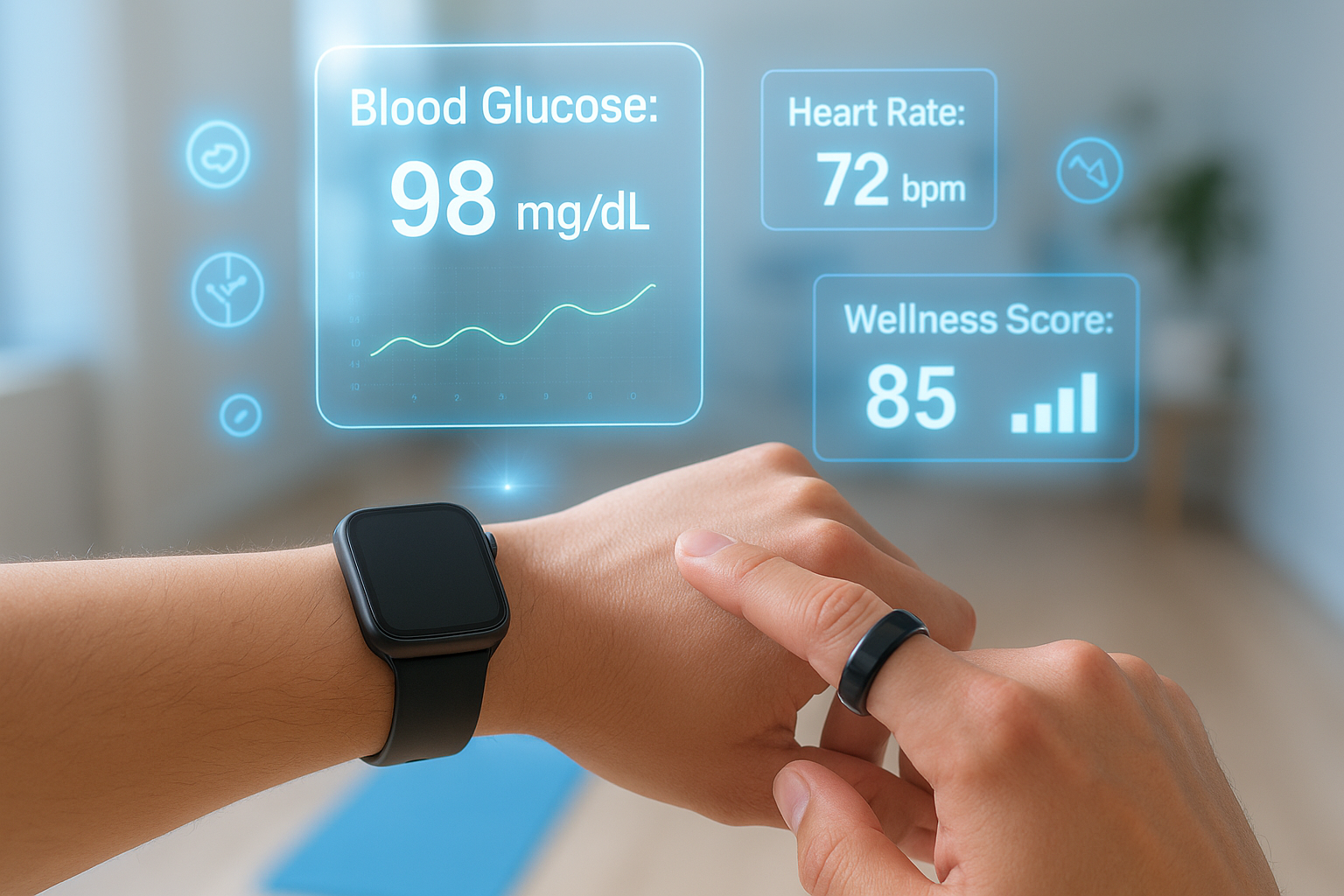
For example, instead of simply showing your heart rate, an AI wearable might detect early signs of stress or irregular rhythm and alert you before you notice anything yourself. Instead of logging your sleep hours, it can assess sleep quality and suggest changes to your bedtime routine.
This shift from passive tracking to active intelligence is what separates modern AI wearables from older fitness bands and basic smartwatches.
How AI Makes Wearables More Personal and Accurate
Traditional wearables collect raw numbers. AI-powered wearables give those numbers meaning. The key difference lies in how these devices process information over time.
- Pattern recognition: The device learns your normal baseline and flags anything unusual.
- Personalized advice: Suggestions are tailored to your specific habits, not generic recommendations.
- Continuous improvement: The longer you use the device, the more accurate and relevant its insights become.
- Hands-free interaction: Many AI wearables support voice commands and gesture controls, reducing screen dependency.
- Real-time alerts: Instant notifications for health events like elevated stress levels or low blood oxygen.
This combination makes AI wearables far more useful for long-term health management compared to standard fitness trackers.
Popular Uses of AI Wearables in Everyday Life
AI wearables are no longer limited to fitness enthusiasts. They are finding practical use across a wide range of daily activities.
| Device Type | Primary Use | Key AI Feature |
|---|---|---|
| Smartwatch | Heart health monitoring | ECG analysis and irregular rhythm detection |
| Smart Ring | Sleep and recovery tracking | Sleep stage analysis and readiness scores |
| Smart Glasses | Hands-free assistance | Voice commands and contextual information |
| Fitness Band | Activity and stress management | Stress detection and breathing guidance |
Each of these devices fits naturally into a user’s routine without demanding constant attention. They work quietly in the background and surface information only when it matters.
Why More People Are Choosing AI Wearables
The growing popularity of AI wearables comes down to one simple reason — people want technology that works for them, not the other way around.
Busy professionals, health-conscious individuals, elderly users, and fitness enthusiasts all benefit from devices that adapt to their lifestyle. Rather than spending time manually logging meals, workouts, or sleep, users get automatic insights that are ready when they need them.
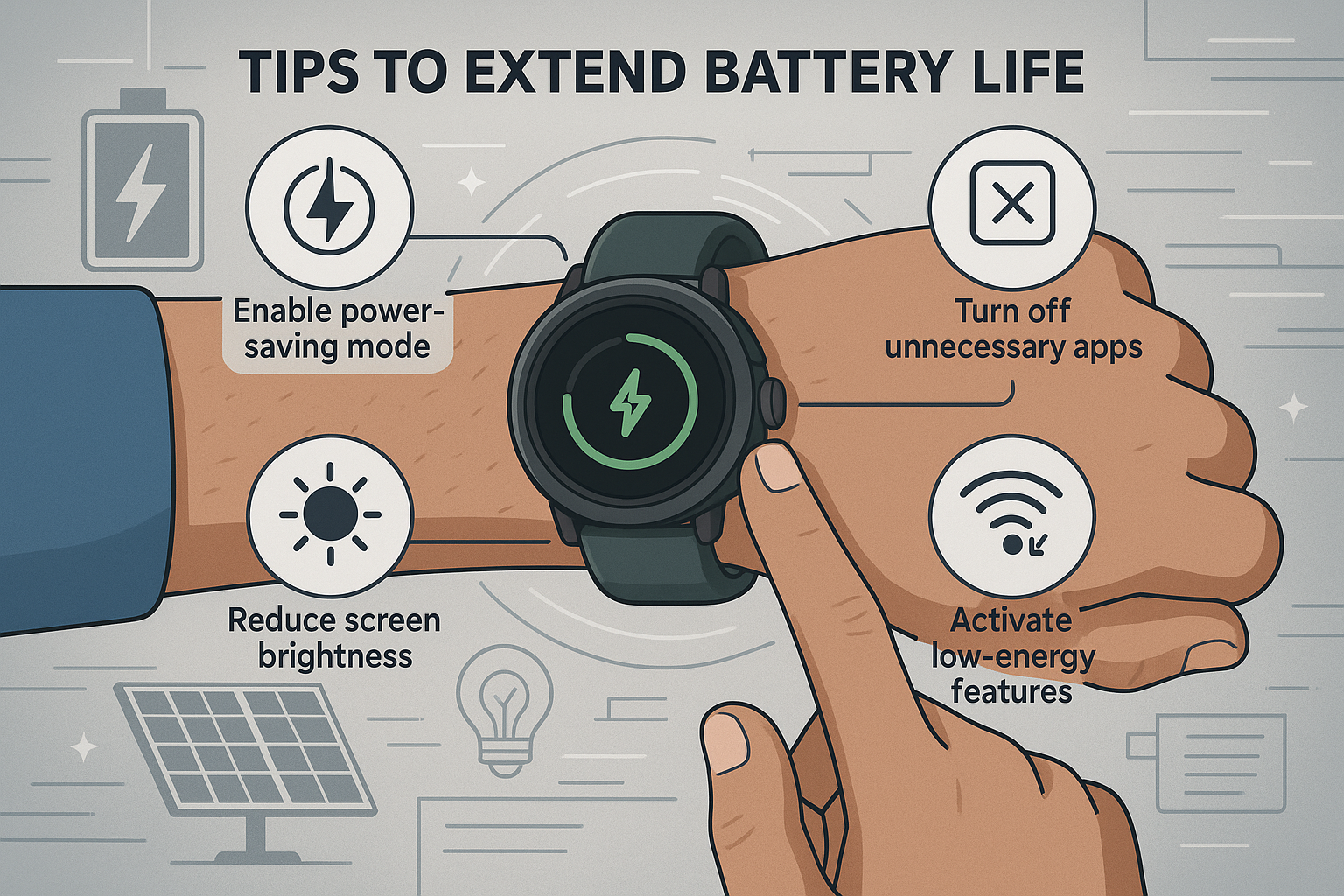
As hardware becomes smaller, batteries last longer, and sensors grow more sensitive, the barrier to adoption keeps dropping. Devices that once felt bulky or intrusive now sit comfortably on a wrist or finger throughout the day and night.
This convenience, combined with genuinely useful health data, is driving rapid growth in the global wearable technology market.
What the Future Holds for Intelligent Wearables
The next phase of AI wearables is focused on two things — invisibility and prevention. Future devices will be designed to blend into daily life so naturally that users barely notice wearing them.
More importantly, these wearables will shift from reactive to proactive. Instead of alerting you after a health issue appears, they will identify risk factors early and suggest preventive steps. This could be especially valuable for managing chronic conditions like diabetes, hypertension, or anxiety.
Privacy will also become a bigger focus. As wearables collect more sensitive health data, manufacturers will need to build stronger on-device processing so that personal information stays local rather than being sent to remote servers.
The long-term vision is clear — AI wearables will function less like gadgets and more like personal health companions that know you better than most people do.
AI-powered wearables represent a meaningful step forward in how technology supports human wellbeing. By combining continuous sensing with intelligent analysis, these devices move beyond simple tracking and become genuinely useful tools for health, fitness, and daily life management. As the technology matures, their role in personal healthcare and productivity will only grow stronger.