Artificial intelligence is reshaping engineering at a pace never seen before. From design and automation to maintenance and decision-making, AI is helping engineers work smarter, faster, and with greater precision. This shift is not just about technology — it is about how the entire engineering profession is evolving.
What Artificial Intelligence Means for Engineering
In engineering, AI refers to smart software systems that learn from data, identify patterns, and make informed suggestions or decisions. Unlike traditional software that follows fixed instructions, AI systems adapt based on new information.
Engineers use AI to handle tasks that involve large volumes of data, complex calculations, or repetitive analysis. The result is reduced manual effort, fewer human errors, and faster project timelines. Whether it is civil, mechanical, electrical, or software engineering, AI is finding a role in nearly every discipline.
AI Is Making Engineering Design Faster and More Accurate
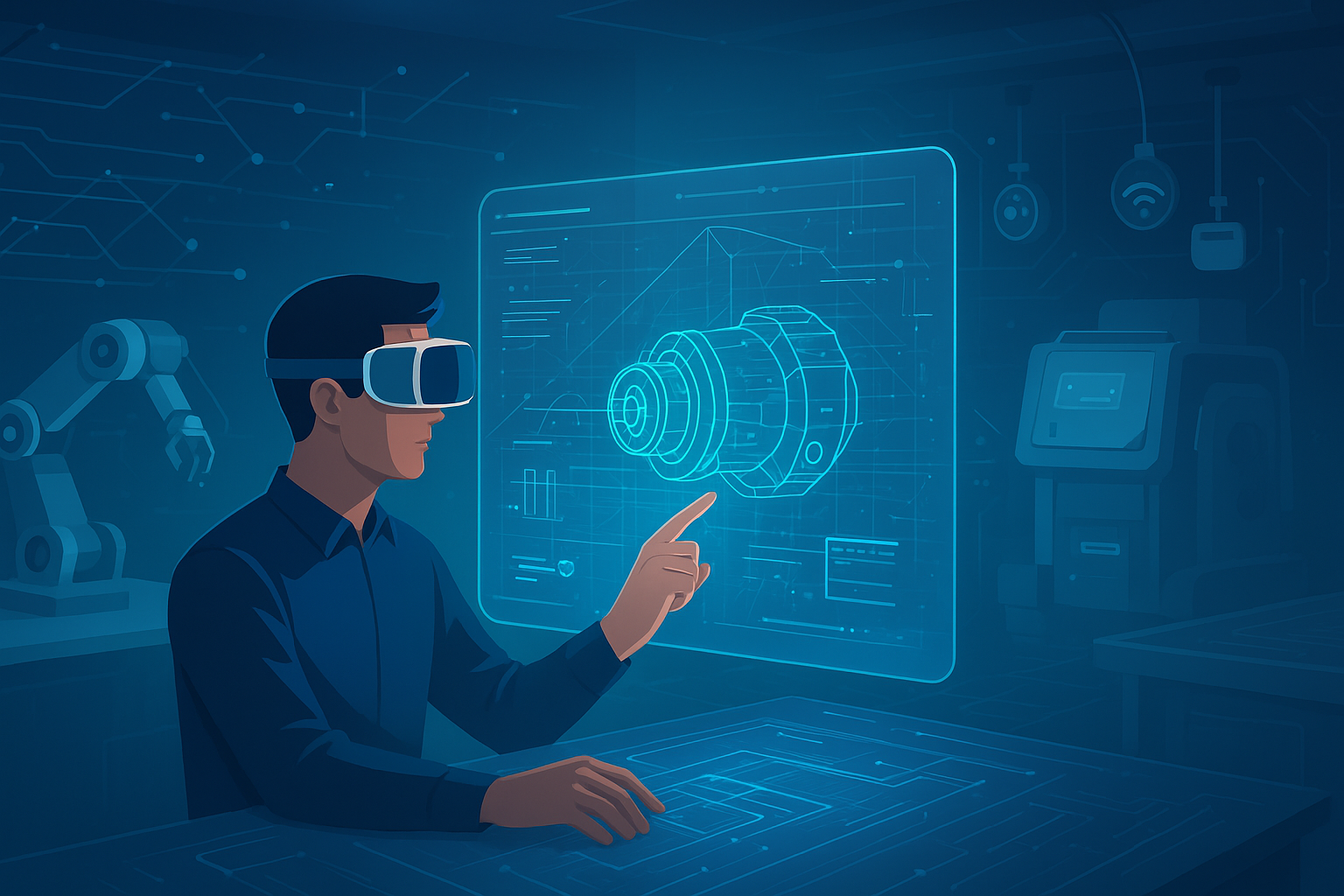
One of the biggest impacts of AI in engineering is in the design phase. Engineers can now use AI-powered tools to:
- Simulate real-world conditions before physical prototypes are built
- Test multiple design variations quickly
- Identify structural weaknesses or performance gaps early
- Optimize materials and components for cost and durability
This approach, often called generative design or simulation-driven design, reduces costly mistakes and shortens development cycles. Products reach the market faster and with higher quality standards.
Smart Automation and Predictive Maintenance in Engineering Systems
Traditional factory automation follows rigid, pre-programmed rules. AI-powered automation is different — it can respond to real-time changes in the environment. In power plants, manufacturing units, and infrastructure systems, AI helps machines adjust their operations dynamically based on live sensor data.
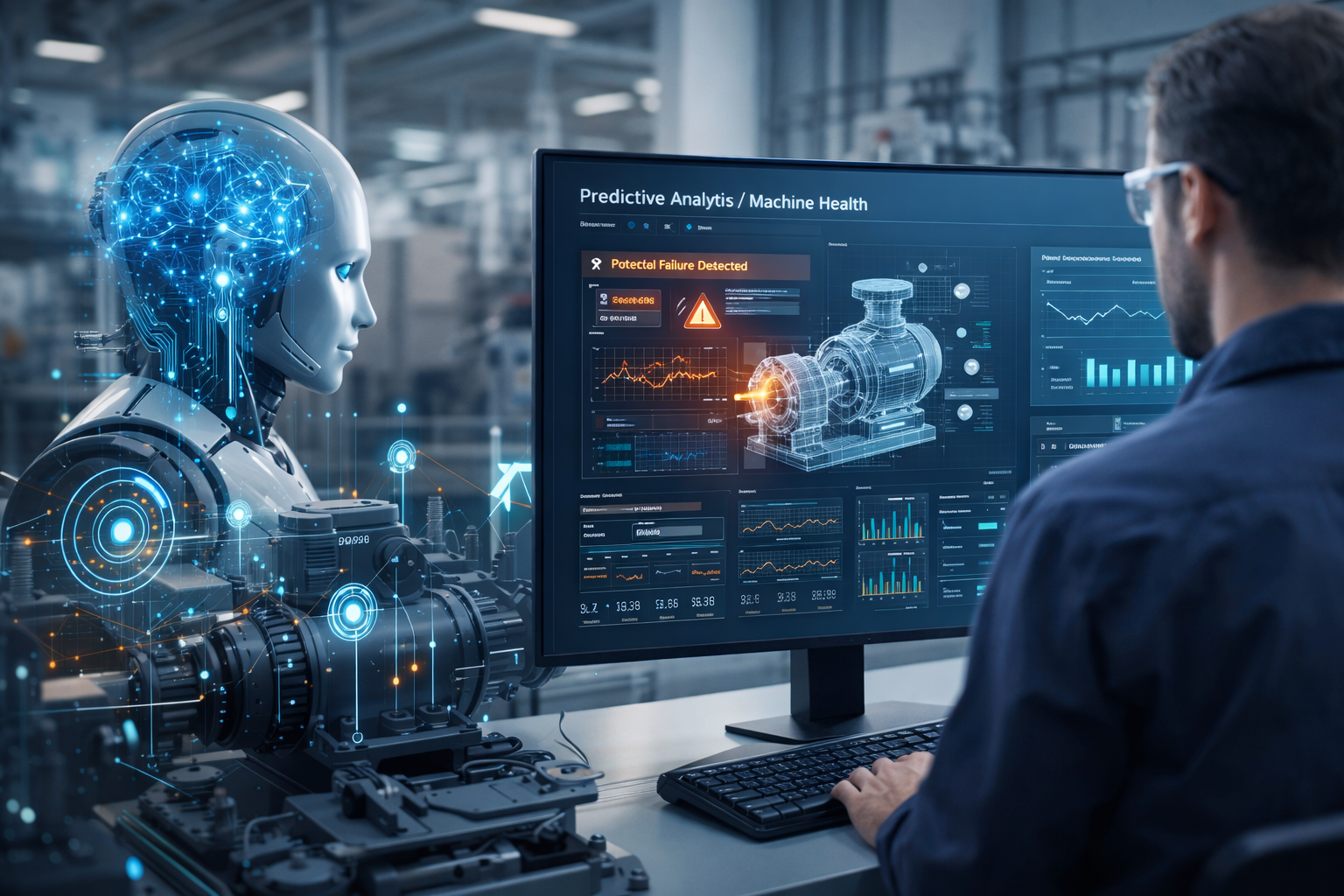
Predictive maintenance is one of the most practical applications of AI in engineering. By continuously monitoring equipment through sensors, AI systems can detect unusual vibrations, temperature spikes, or pressure changes that signal a potential failure. Maintenance teams can then act before a breakdown occurs, saving both time and money.
Here is a quick comparison of traditional maintenance versus AI-driven predictive maintenance:
| Aspect | Traditional Maintenance | AI Predictive Maintenance |
|---|---|---|
| Timing | Scheduled or after failure | Based on real-time data signals |
| Downtime | Often unplanned and costly | Minimized through early detection |
| Cost | Higher due to reactive repairs | Lower with proactive intervention |
| Accuracy | Limited to human inspection | High, based on continuous monitoring |
How AI Supports Better Engineering Decisions
Engineering projects generate enormous amounts of data — from site surveys and material tests to performance logs and safety reports. Processing all of this manually is time-consuming and prone to oversight.
AI systems can analyze this data quickly and surface insights that help engineers make better decisions related to:
- Project planning: Identifying risks and optimizing timelines
- Safety management: Flagging potential hazards before they escalate
- Resource allocation: Reducing waste and improving efficiency
- Performance monitoring: Tracking systems in real time for continuous improvement
This data-driven approach leads to more confident decision-making and better project outcomes overall.
Challenges Engineers Face When Adopting AI
Despite its clear advantages, integrating AI into engineering comes with real challenges that cannot be ignored:
- Data quality: AI systems are only as good as the data they are trained on. Poor or incomplete data leads to unreliable outputs.
- Cybersecurity risks: Connected AI systems in critical infrastructure can become targets for cyberattacks.
- Ethical concerns: Decisions made by AI in safety-critical environments must be transparent and accountable.
- Skill gaps: Engineers need training in data analysis, machine learning tools, and digital systems alongside their core technical knowledge.
Addressing these challenges requires investment in both technology and workforce development. Organizations that take these concerns seriously will be better positioned to benefit from AI in the long run.
The Future of Engineering in an AI-Driven World
AI is not replacing engineers — it is changing what engineers do. The demand is growing for professionals who combine traditional engineering expertise with skills in data science, automation, and digital tools. Engineers who adapt to this shift will find themselves more valuable and capable than ever before.
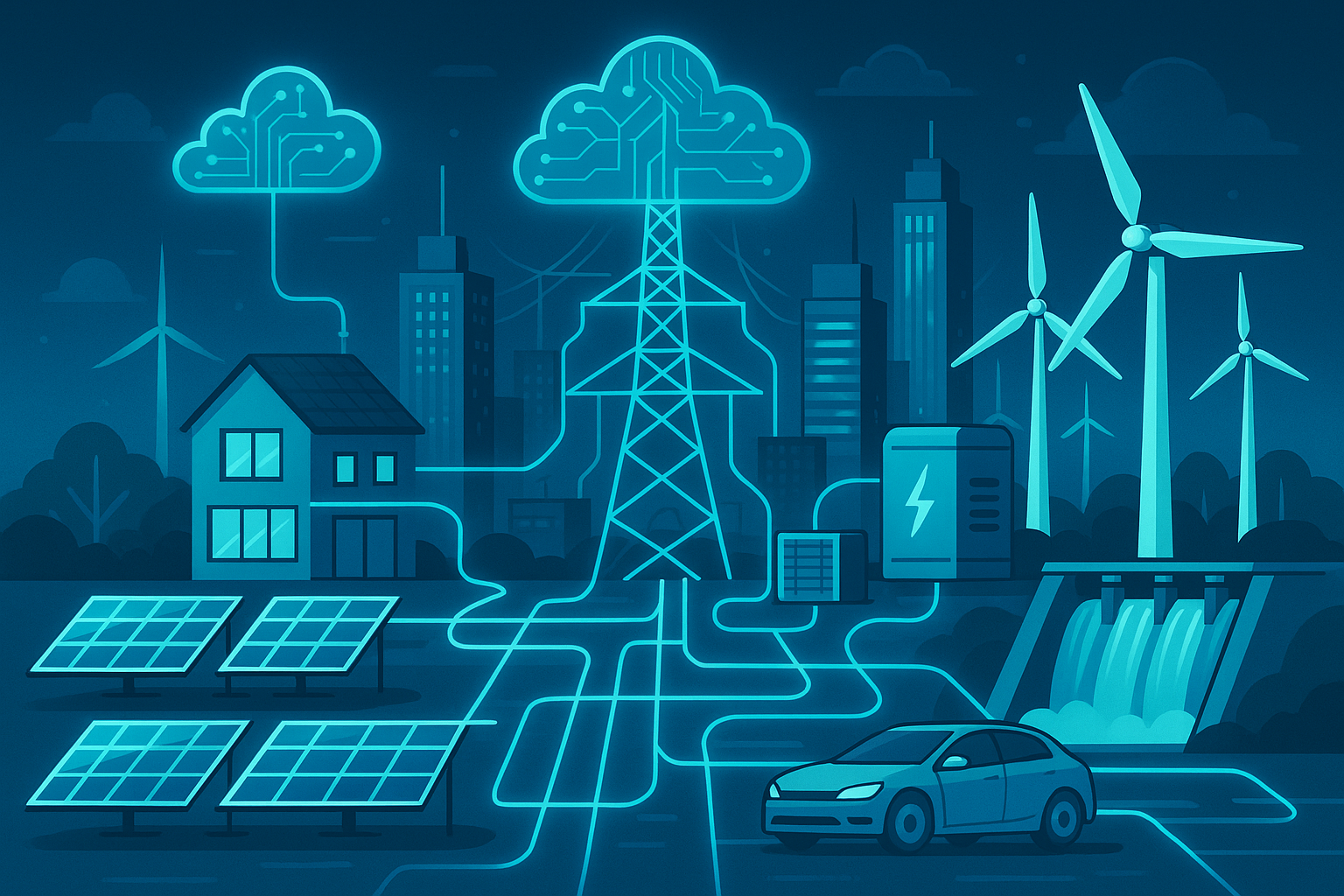
Looking ahead, AI will play a central role in building smarter cities, greener infrastructure, and more efficient industrial systems. As the technology matures, it will become a standard part of every engineer’s toolkit, much like CAD software or simulation tools are today.
The engineering profession is entering a new chapter — one where human expertise and intelligent systems work together to solve the world’s most complex problems.
Frequently Asked Questions
Artificial intelligence is used in engineering for tasks like design simulation, predictive maintenance, smart automation, data analysis, and decision support. AI tools help engineers work faster, reduce errors, and improve the quality of their projects.
AI is not expected to replace engineers. Instead, it is changing their roles. Engineers are increasingly working alongside AI systems, which means the demand is growing for professionals who combine core engineering knowledge with skills in data analysis and digital tools.
The main challenges include ensuring data quality, managing cybersecurity risks in connected systems, addressing ethical concerns around automated decisions, and bridging the skill gap among engineering professionals who need training in AI-related tools.