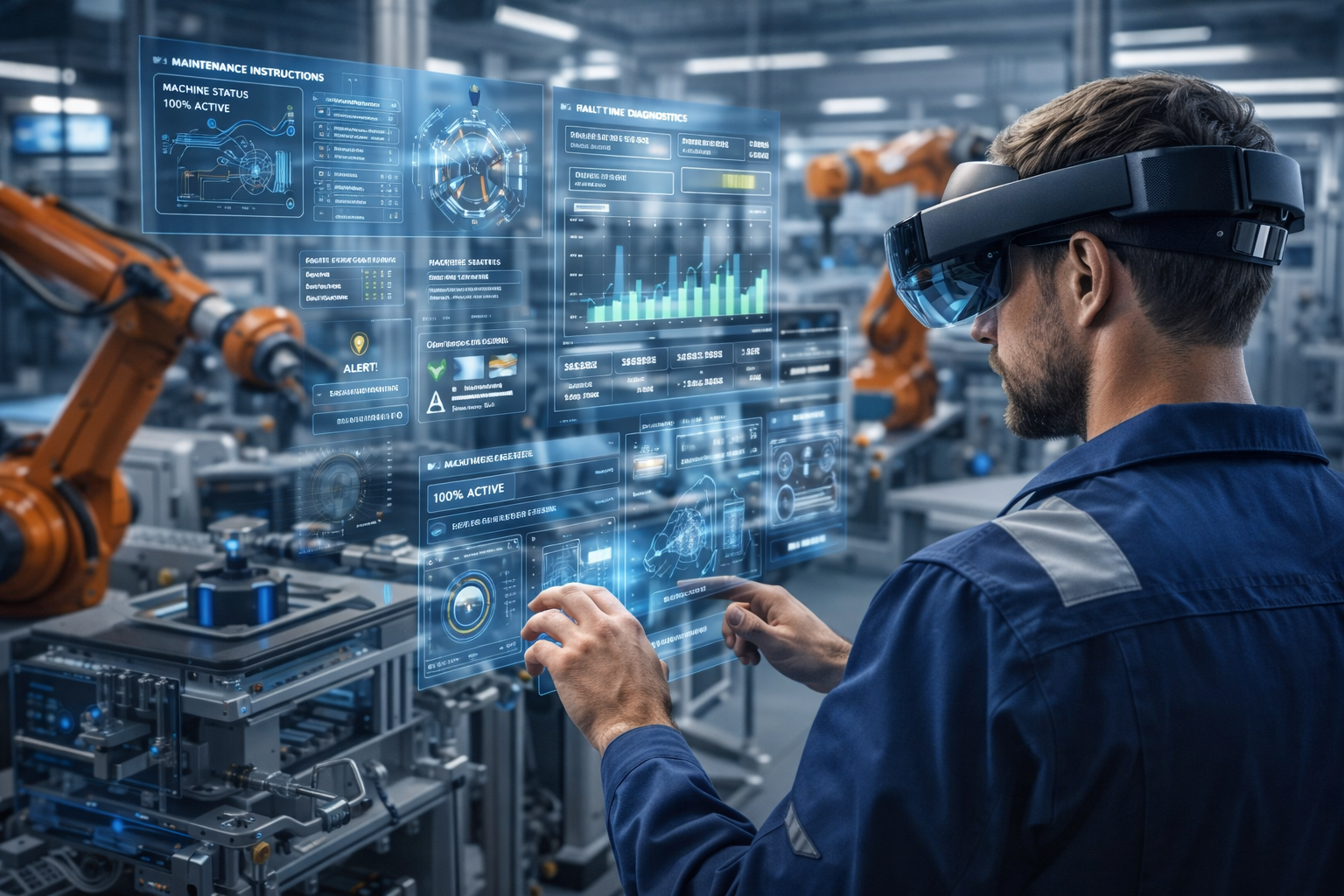
The way humans interact with machines has changed dramatically over the past decade. From simple buttons and screens to voice commands, hand gestures, and virtual environments, Human-Machine Interaction (HMI) and Immersive Technology are reshaping how we work, learn, and manage complex systems across industries like healthcare, engineering, and manufacturing.
What Is Human-Machine Interaction?
Human-Machine Interaction refers to the methods and systems through which humans communicate with machines. This includes touchscreens, voice commands, hand gestures, sensors, wearable devices, and interactive dashboards.
The core goal of HMI is to make machines easier to use, reducing the effort and errors involved in operating them. A well-designed interaction system improves safety and efficiency, especially in high-stakes environments like factories, hospitals, and industrial control rooms.
- Touchscreens and button-based controls for direct input
- Voice recognition systems for hands-free operation
- Gesture-based controls using sensors and cameras
- Wearable devices that monitor and respond to human activity
- Smart dashboards for real-time data monitoring
What Is Immersive Technology?
Immersive technology creates digital experiences that feel real or closely simulate reality. The three main types are:
| Technology | Description | Common Use |
|---|---|---|
| Virtual Reality (VR) | Fully digital environment that replaces the real world | Training simulations, gaming, surgical planning |
| Augmented Reality (AR) | Digital information overlaid on the real world | Machine maintenance, navigation, retail |
| Mixed Reality (MR) | Blend of real and digital environments that interact | Engineering design, remote collaboration |
These tools help users understand complex systems by presenting information in a visual and interactive format, making it far easier to process and act on data quickly.
How HMI and Immersive Technology Work Together
When combined, Human-Machine Interaction and Immersive Technology create systems that are more responsive, intuitive, and user-friendly. Users can see live data, issue commands, and receive instant feedback — all within an immersive environment.
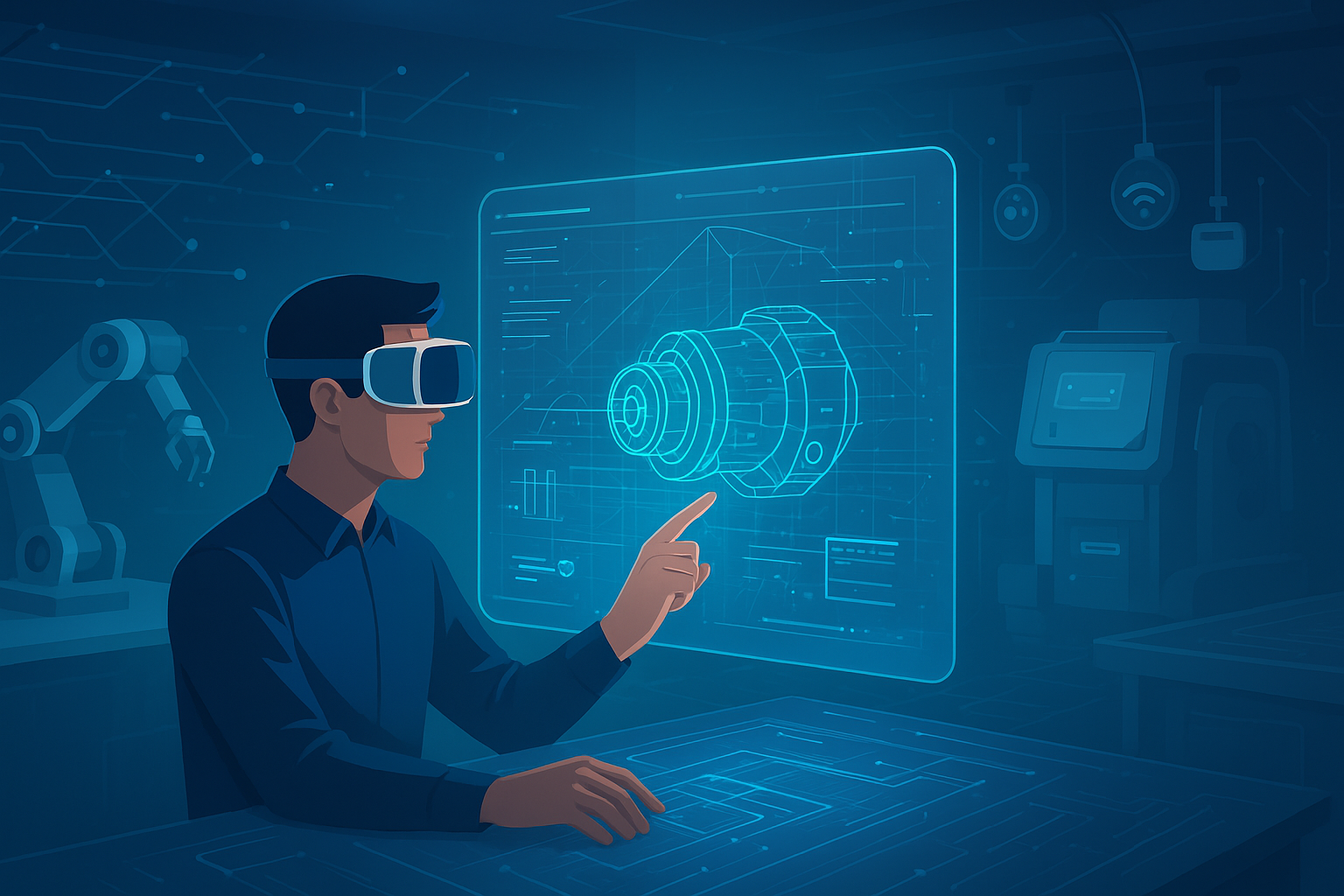
A practical example: an engineer wearing AR glasses can view real-time machine diagnostics while physically working on equipment. A trainee can practice operating heavy machinery inside a virtual environment without any risk of injury or damage.
This combination reduces the gap between human intention and machine response, making complex operations feel natural and manageable.
Applications in Engineering, Healthcare, and Smart Systems
These technologies are already being used across several critical sectors:
- Engineering and Manufacturing: Virtual simulations allow engineers to test and refine systems before physical production begins. AR tools guide technicians through maintenance steps directly on the machine surface. Interactive dashboards help factory managers monitor productivity and spot issues early.
- Healthcare: Surgeons use robotic tools controlled through precise HMI systems. Medical students train using VR simulations of surgical procedures, reducing risk and improving skill retention. AR assists in surgical planning by overlaying patient data on the operating field.
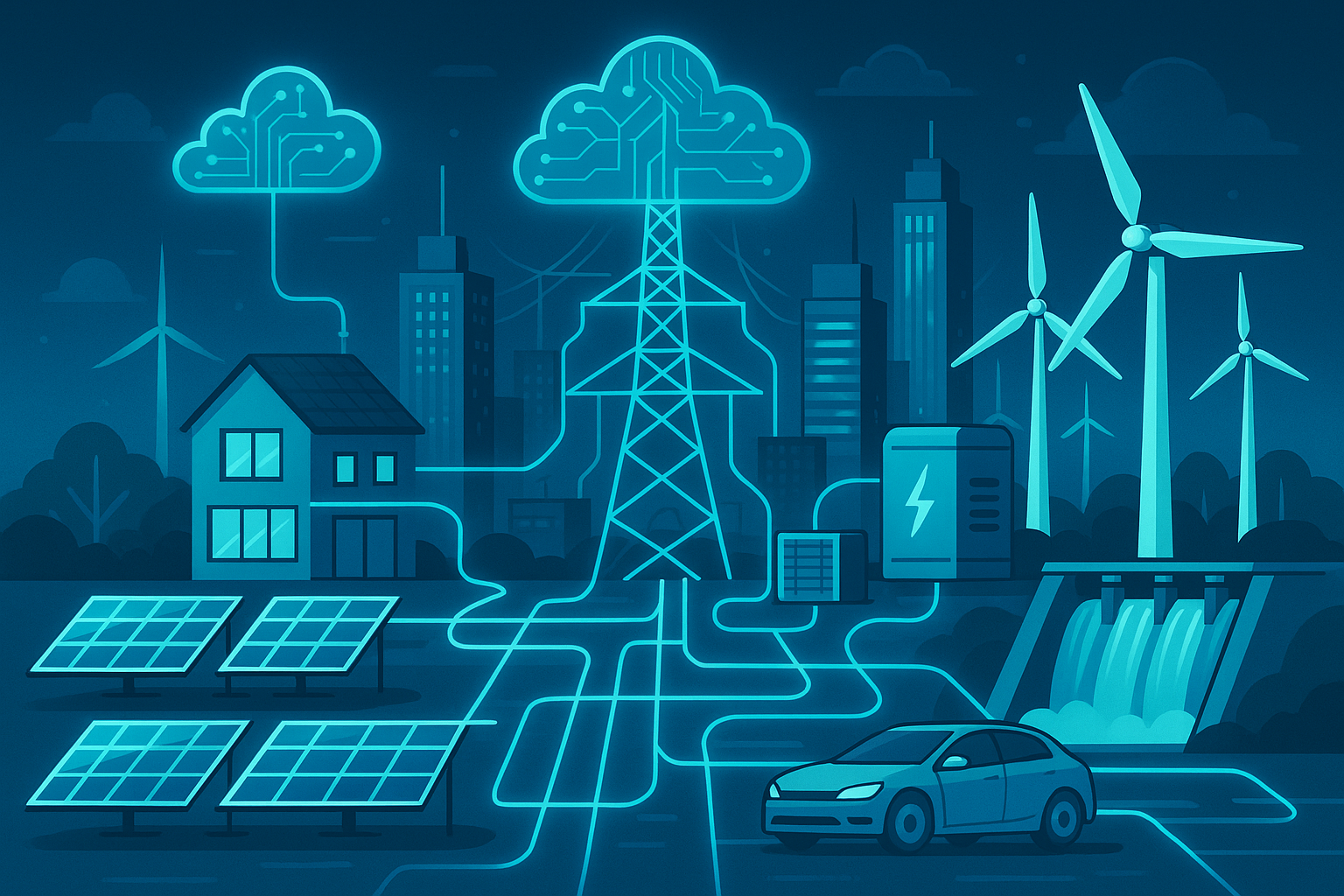
- Smart Cities and Transportation: City management systems rely on interactive interfaces to control traffic flow, energy distribution, and public services. These systems process large volumes of data and present it in formats that operators can act on quickly.
- Training and Education: Virtual training environments allow workers to learn complex, high-risk tasks safely. This shortens training timelines and improves skill development without putting people or equipment at risk.
Key Benefits for Businesses and Users
Adopting HMI and immersive technology delivers measurable advantages for both organisations and individual users:
- Improved user experience: Machines become easier and more intuitive to operate
- Higher safety standards: Workers can train and operate in controlled environments
- Faster decision-making: Real-time visual data helps operators respond quickly
- Reduced operational errors: Clear interfaces lower the chance of mistakes
- Cost savings: Better training quality and fewer errors reduce long-term costs
- Increased productivity: Streamlined workflows and smarter controls improve output
The Future of Human-Machine Interaction and Immersive Tech
The next phase of development will focus on smarter, more personalised interfaces. Machines will increasingly understand human behaviour patterns and respond in more natural ways. Wearable devices will become more capable, and interfaces will adapt to individual users over time.
Industries including automation, aerospace, defence, and digital infrastructure are expected to invest heavily in these technologies. As connectivity improves and hardware becomes more affordable, HMI and immersive tech will reach a wider range of businesses and users globally.
In conclusion, Human-Machine Interaction and Immersive Technology are no longer futuristic concepts — they are active tools driving real change across industries. From factory floors to operating theatres, these technologies are making machines more accessible, operations safer, and learning more effective. Organisations that adopt them early are likely to gain a significant advantage in efficiency, safety, and workforce capability.