Artificial Intelligence is no longer a future concept for Software as a Service companies — it is already reshaping how platforms work, how users engage, and how businesses grow. From personalized recommendations to automated workflows, SaaS providers are embedding smart capabilities that make their products stickier, faster, and more valuable to users every day.
What AI Integration Actually Means for SaaS Products
At its core, AI in SaaS refers to embedding machine learning models and intelligent algorithms into cloud-based software. These systems learn from user behavior over time, automate repetitive tasks, and deliver personalized experiences at scale.
Unlike traditional software that follows fixed rules, AI-powered SaaS adapts. It gets better the more it is used. This creates a natural loop where engaged users generate data, and that data improves the product, which in turn attracts more users.
Why SaaS Companies Are Prioritising AI Right Now
The push toward AI adoption in SaaS is driven by real business needs, not just technology trends. Companies are seeing measurable results in three key areas:
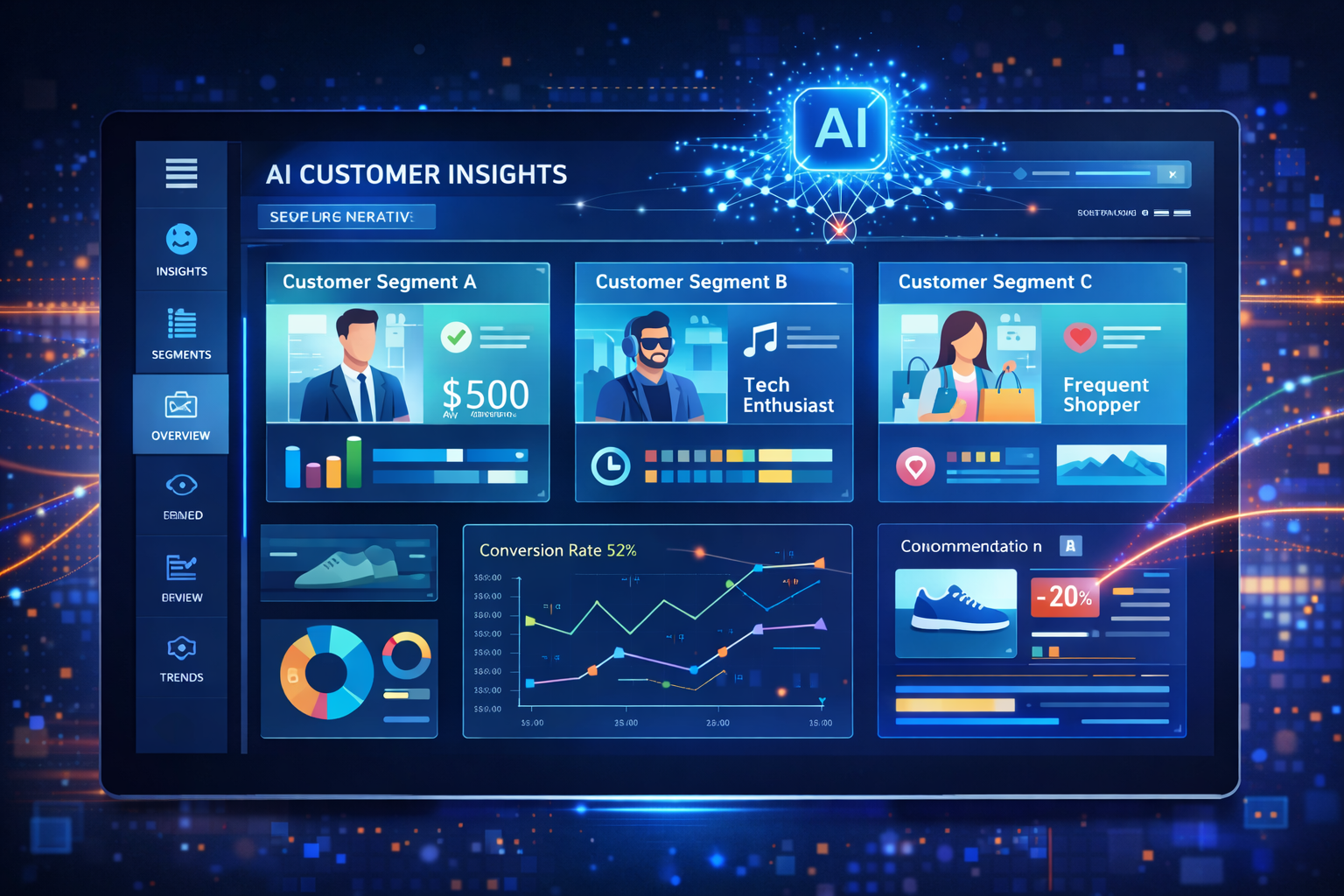
- Better User Experience: AI customizes content, dashboards, and suggestions based on individual usage patterns, making apps feel intuitive rather than generic.
- Operational Efficiency: Automating routine tasks reduces manual effort, lowers error rates, and frees up teams to focus on higher-value work.
- Smarter Decision-Making: AI analyzes large volumes of usage data to surface trends, flag risks, and help both users and businesses make informed choices faster.
Together, these benefits make AI a practical investment rather than an optional upgrade for SaaS providers competing in crowded markets.
Key AI Features That Are Directly Driving User Growth
Several specific AI capabilities are proving especially effective at attracting and retaining users on SaaS platforms:
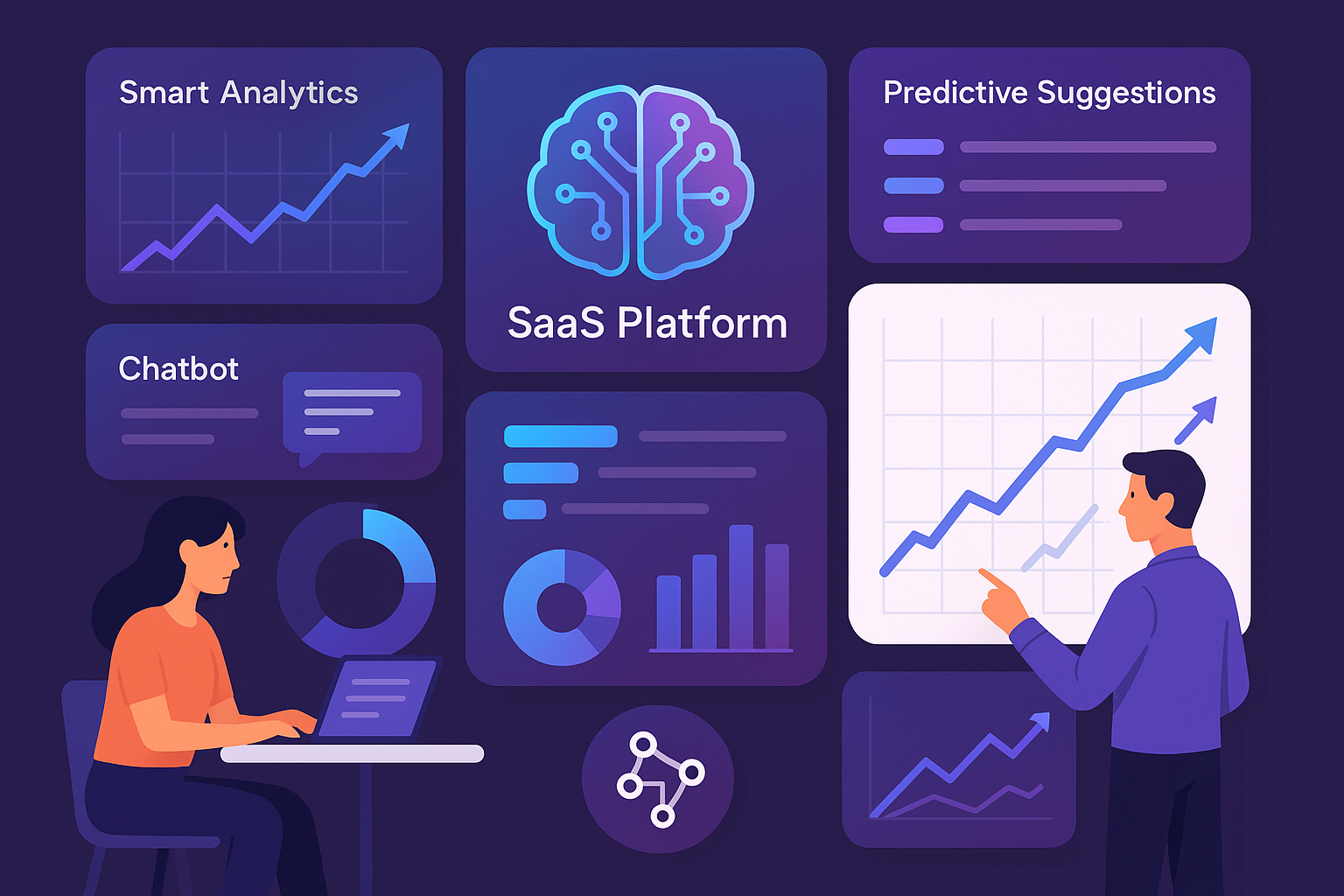
- Personalized Recommendations: Platforms like Netflix and Spotify have shown how powerful personalization can be. SaaS tools apply the same logic — studying user behavior to surface relevant features, content, or next steps that keep users engaged longer.
- AI-Powered Chatbots: Intelligent chatbots handle support queries instantly, guide new users through onboarding, and resolve common issues without human intervention. This improves response times and reduces support costs simultaneously.
- Predictive Analytics: By forecasting user needs and behavior patterns, SaaS platforms can proactively offer solutions before users even realize they need them. This builds loyalty and reduces churn.
- Automated Workflows: Repetitive, rule-based tasks — data entry, report generation, notifications — can be handled automatically. Users spend less time on low-value work and more time on strategic priorities.
The Market Opportunity: Numbers That Show the Scale
The business case for AI in SaaS is backed by significant market data. According to a study by Acropolium, the AI SaaS market was valued at $71.54 billion in 2024 and is projected to reach $775.44 billion by 2031 — representing a compound annual growth rate of 38.28%.
| Metric | Value |
|---|---|
| AI SaaS Market Size (2024) | $71.54 Billion |
| Projected Market Size (2031) | $775.44 Billion |
| Annual Growth Rate (CAGR) | 38.28% |
These numbers reflect how seriously businesses and investors are treating AI as a core driver of SaaS growth, not a side feature.
Challenges SaaS Companies Must Address
Despite the clear advantages, integrating AI into SaaS products is not without its difficulties. Companies need to plan carefully around three major challenges:
- Data Privacy and Ethics: AI systems rely on user data to function effectively. Handling that data responsibly, staying compliant with regulations, and maintaining user trust are non-negotiable requirements.
- High Implementation Costs: Building and deploying AI capabilities requires significant investment in infrastructure, talent, and ongoing maintenance. Smaller SaaS companies may find this barrier difficult to clear quickly.
- Technical Complexity: Developing reliable AI models demands specialized expertise. Maintaining and improving those models over time adds another layer of operational responsibility.
Companies that address these challenges thoughtfully are better positioned to build AI features that users actually trust and rely on.
What the Future Holds for AI-Driven SaaS
As AI technology matures, its role in SaaS will only deepen. The next wave of development is expected to bring hyper-personalization at an individual level, more accurate predictive capabilities, and broader automation across complex workflows. SaaS platforms that invest in these areas now are likely to build durable competitive advantages — both in user satisfaction and business performance.
For businesses evaluating SaaS tools, the presence of well-implemented AI features is increasingly becoming a deciding factor. And for SaaS providers, it is fast becoming the difference between growing and being left behind.
The integration of AI into SaaS is not a passing phase. It is a structural shift in how software is built, delivered, and experienced — and the companies moving quickly on this front are already seeing the results in their user numbers and revenue growth.