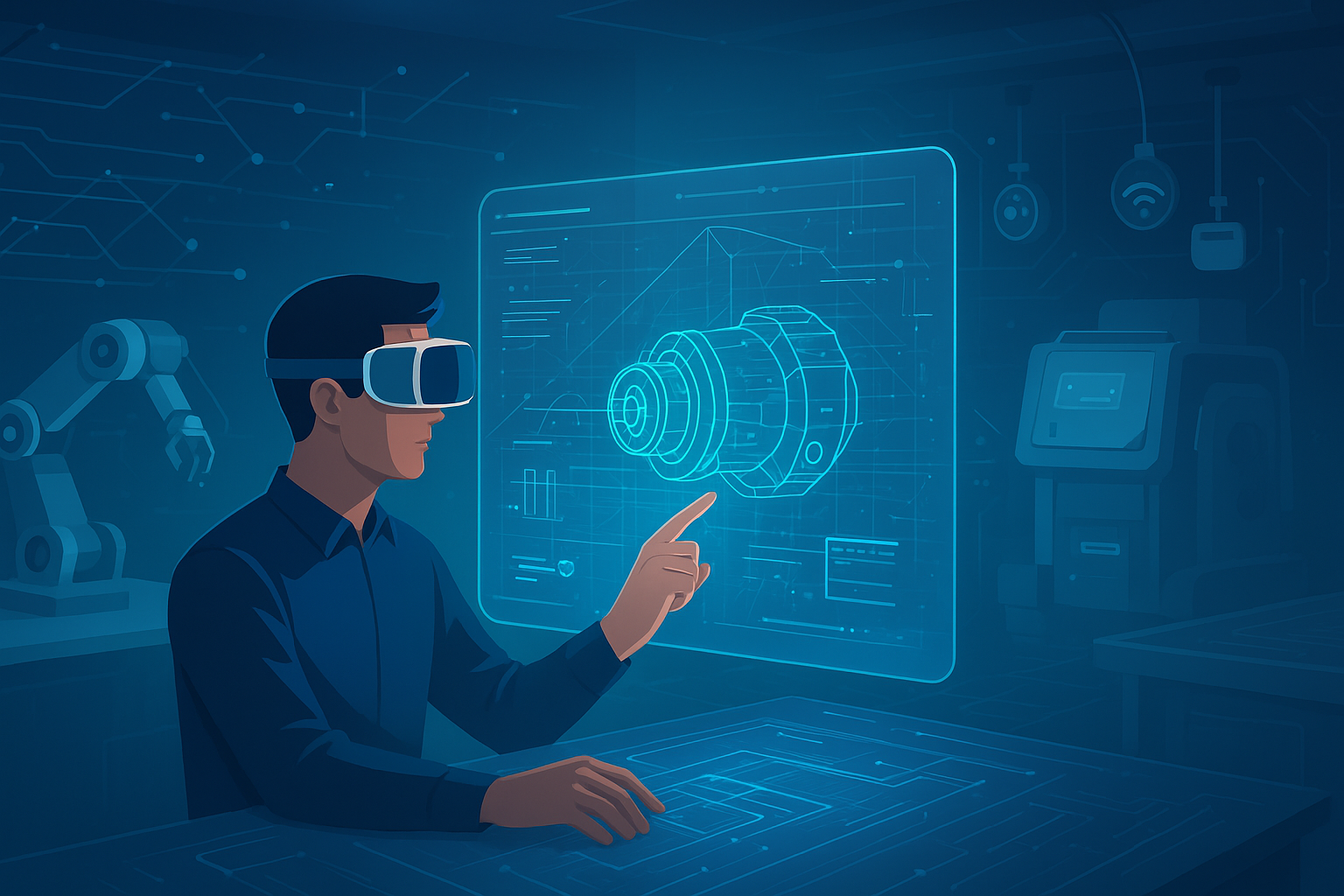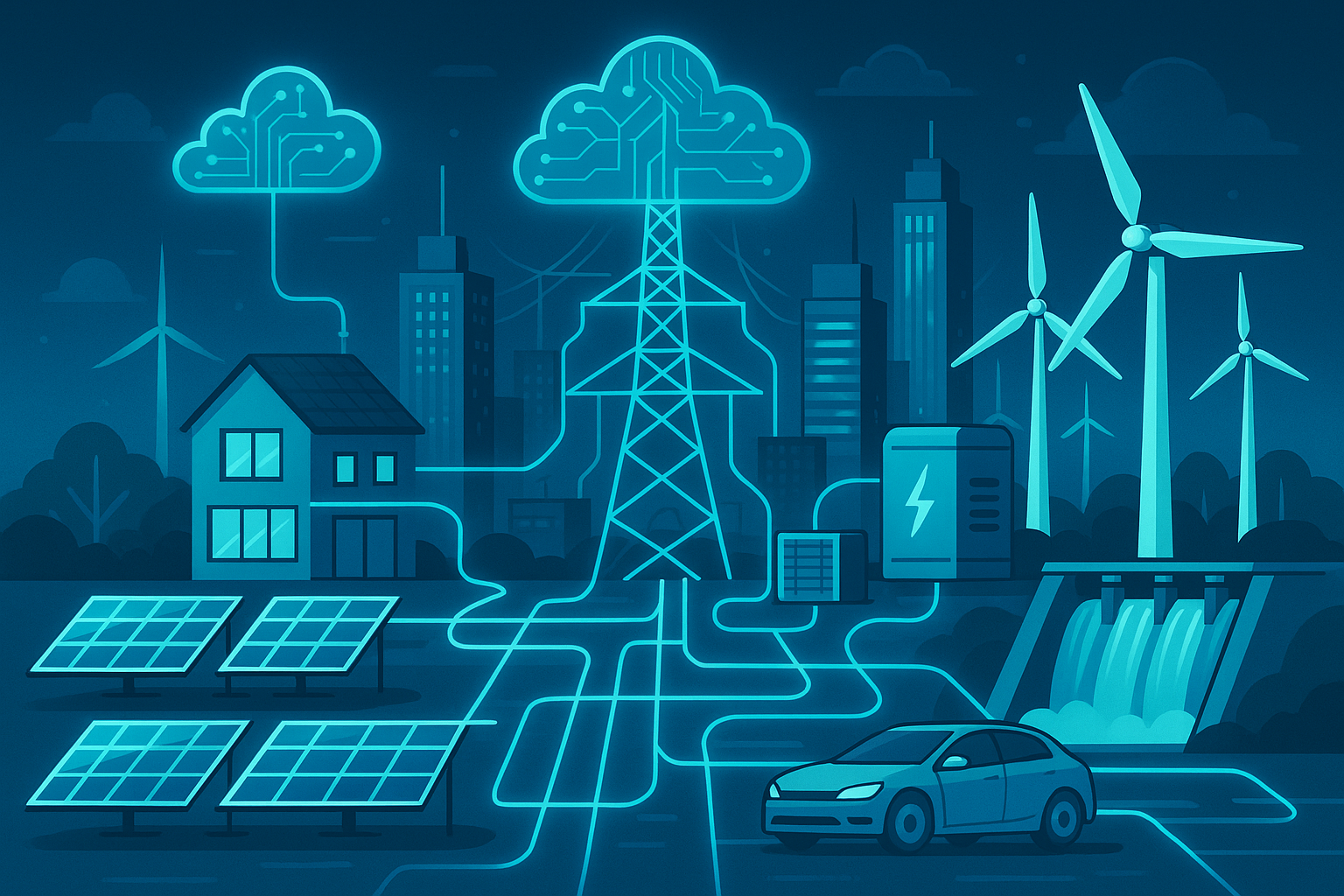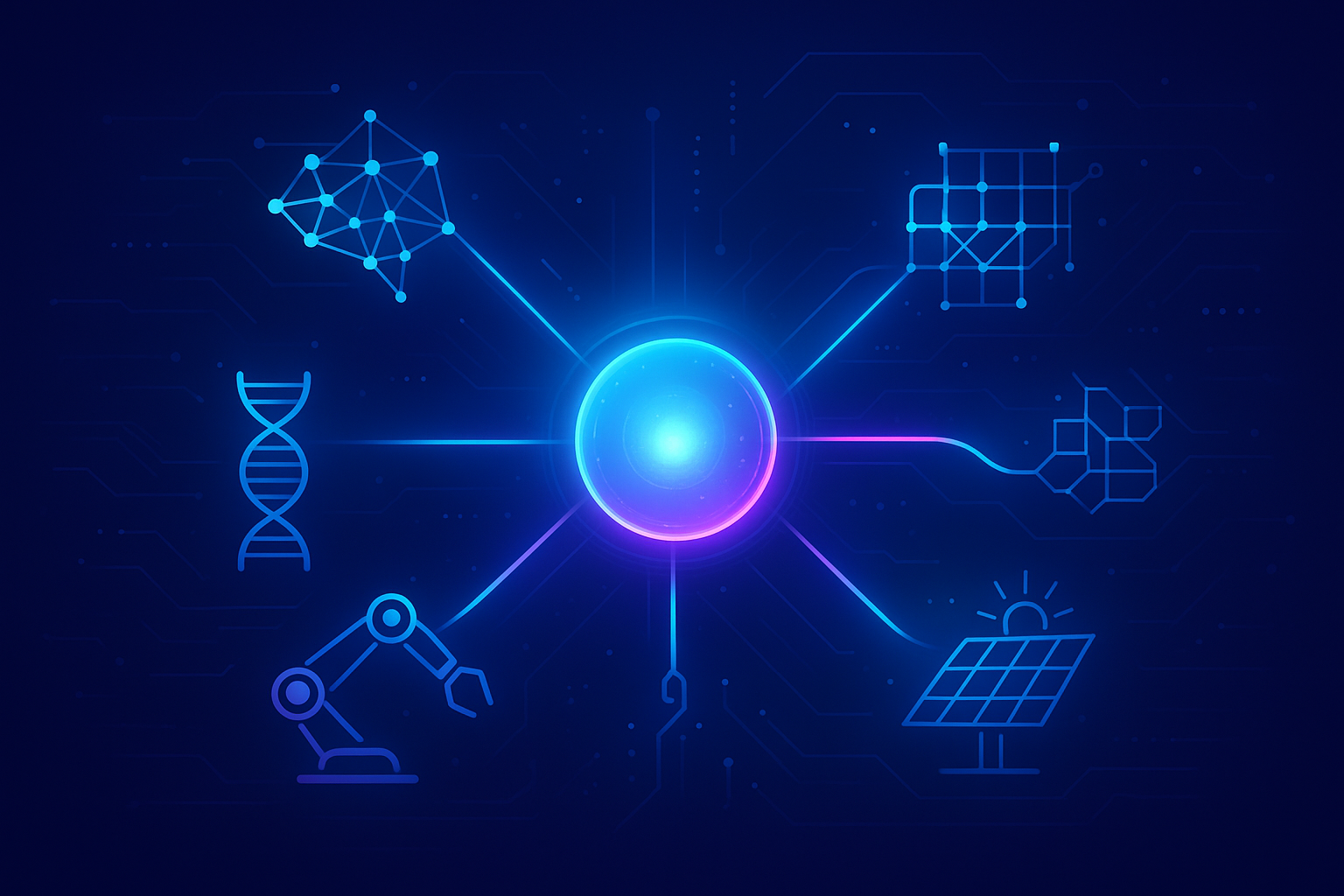
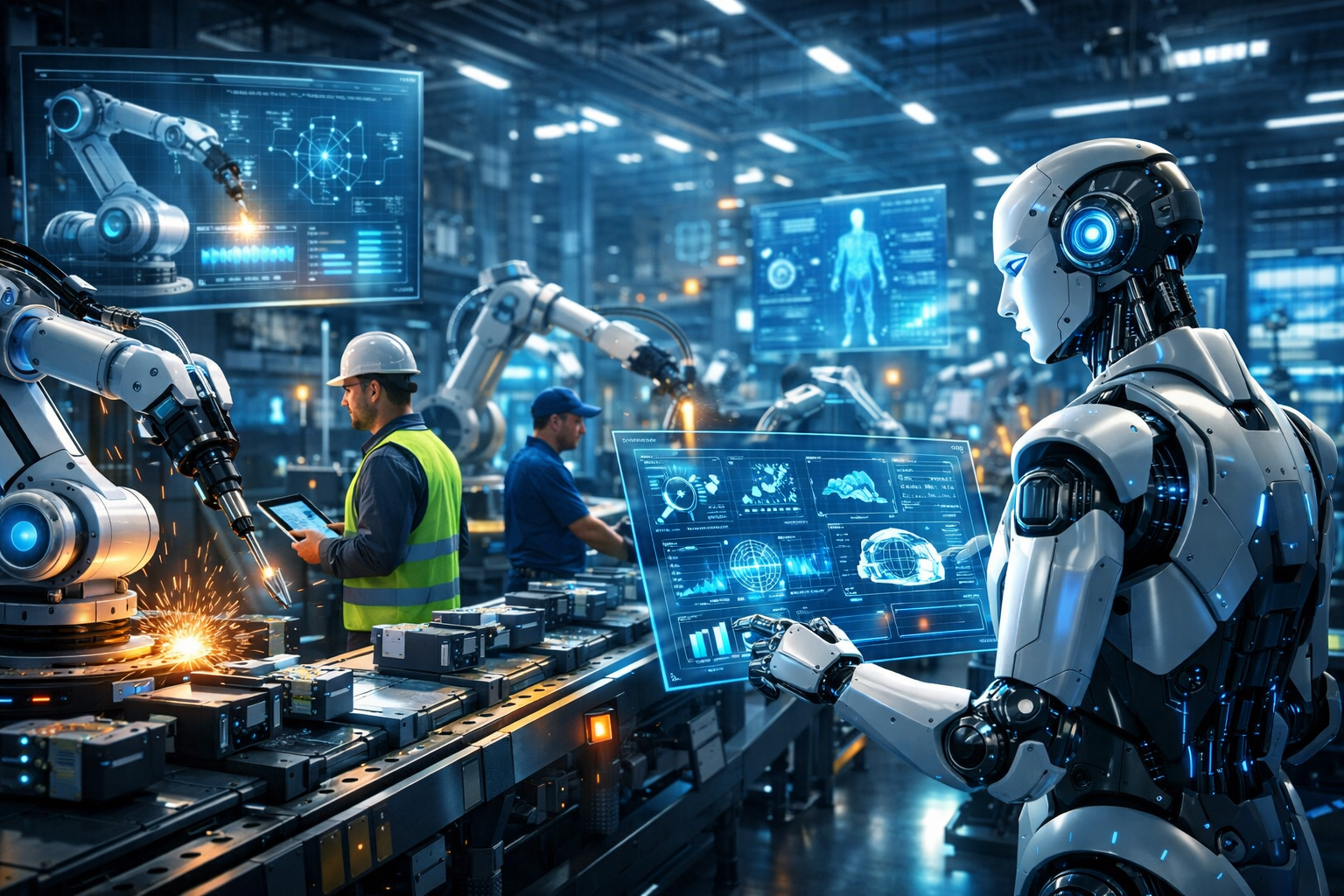
Artificial intelligence is no longer limited to screens and software. It is now entering the physical world through intelligent machines, robots, and automated systems. This shift — known as Physical AI — is changing how industries operate, how products are made, and how humans work alongside machines.
What Is Physical AI and Why Does It Matter?
Physical AI refers to the integration of artificial intelligence into physical machines such as robots, drones, autonomous vehicles, and smart industrial equipment. These machines use technologies like machine learning, computer vision, and advanced sensors to understand their surroundings and make real-time decisions.
Unlike traditional machines that follow fixed, pre-programmed instructions, AI-powered machines learn from data and improve their performance over time. This makes them far more flexible and capable of handling complex, unpredictable tasks in real-world environments.
The significance of Physical AI lies in its ability to bridge the gap between digital intelligence and physical action. It allows machines to not just process information but also act on it — picking up objects, navigating spaces, detecting faults, and responding to changes without human intervention.
How AI and Robotics Work Together
Robots have been part of industrial operations for decades, particularly in manufacturing. However, traditional robots are rigid — they repeat the same action in the same way, every time. They struggle to adapt when conditions change.
Adding artificial intelligence changes this completely. Here is how key technologies contribute:
- Computer Vision: Allows robots to identify and classify objects, read labels, and inspect products for defects.
- Machine Learning: Enables robots to analyze past performance data and continuously improve how they complete tasks.
- Sensors: Help machines detect movement, obstacles, temperature, pressure, and other environmental factors.
- Edge Computing: Allows data to be processed locally on the machine, enabling faster decisions without relying on cloud servers.
Together, these technologies give robots the ability to think, adapt, and respond — qualities that were once exclusive to humans.
Industries Already Using Physical AI
Physical AI is not a future concept. It is already being deployed across multiple sectors with measurable results.
| Industry | Application of Physical AI |
|---|---|
| Manufacturing | Smart robots assemble products, inspect quality, and manage production lines |
| Logistics and Warehousing | Autonomous robots move packages, sort inventory, and speed up order fulfilment |
| Healthcare | Robotic systems assist surgeons in performing precise medical procedures |
| Agriculture | AI-powered machines monitor crops, analyse soil, and automate harvesting |
| Transportation | Autonomous vehicles and drones navigate routes and deliver goods |
In manufacturing, smart robots now handle tasks that require precision and consistency — from welding and painting to quality inspection. In warehouses, companies use autonomous mobile robots to reduce delivery times and human error. In healthcare, robotic surgical systems help doctors perform minimally invasive procedures with greater accuracy.
Agriculture is also seeing strong adoption. Farmers are using AI-powered drones and ground robots to monitor crop health, detect pest infestations early, and automate irrigation — all of which help increase yield while reducing labour costs.
Key Benefits of AI-Powered Robotics
The combination of artificial intelligence and robotics delivers clear advantages for businesses and workers alike:
- Worker Safety: Robots can take over dangerous, repetitive, or physically demanding tasks, reducing the risk of workplace injuries.
- Higher Productivity: Machines can operate continuously without fatigue, increasing output and reducing downtime.
- Fewer Errors: AI-driven quality checks are more consistent than manual inspection, reducing defects and waste.
- Cost Savings: Automation reduces operational costs over time, even though initial investment can be high.
- Scalability: Intelligent robotic systems can be scaled up or reprogrammed to handle new tasks as business needs change.
Challenges Businesses Must Address
Despite its clear potential, Physical AI comes with real challenges that companies must plan for carefully.
Building and deploying intelligent robotic systems requires significant investment in advanced hardware, computing infrastructure, and large volumes of quality data. Not every business has the resources to adopt this technology quickly.
Safety is a critical concern, especially in environments where robots work alongside human workers. Machines must be tested thoroughly to ensure they operate reliably and do not pose risks to people nearby.
There is also the question of workforce impact. As automation increases, the nature of many jobs will change. Workers may need to develop new technical skills to work with and manage intelligent machines. Businesses and governments will need to invest in reskilling programmes to support this transition.
Data privacy and cybersecurity are additional concerns. AI-powered machines collect and process large amounts of operational data, which must be protected from breaches and misuse.
What the Future Holds for Physical AI
The trajectory of Physical AI points toward even greater capability and wider adoption. Advances in edge computing, faster wireless connectivity, and improved sensor technology will make robots smarter, faster, and more affordable.
In the near future, fully automated factories could become standard in many industries. Smarter transportation networks powered by autonomous vehicles may reduce logistics costs and improve delivery speed. Robotic assistants could become common in hospitals, elder care facilities, and even homes.
Collaboration between humans and machines will also grow more sophisticated. Rather than replacing workers entirely, intelligent robots are increasingly being designed to work alongside people — handling routine tasks while humans focus on creative, strategic, and interpersonal work.
Physical AI represents one of the most significant shifts in industrial technology in recent decades. As the technology matures, its impact on productivity, safety, and economic growth will only become more pronounced.
For businesses, the message is clear: understanding and adopting Physical AI is no longer optional — it is becoming a core part of staying competitive in a fast-changing industrial landscape.
Frequently Asked Questions
Physical AI is the use of artificial intelligence inside physical machines like robots, drones, and autonomous vehicles. These machines use AI to sense their environment, make decisions, and perform real-world tasks without constant human control.
Manufacturing, logistics, healthcare, agriculture, and transportation are among the industries benefiting most from Physical AI. Smart robots and autonomous systems in these sectors improve efficiency, reduce errors, and enhance worker safety.
Key challenges include high initial investment costs, the need for advanced computing infrastructure, ensuring machine safety near human workers, cybersecurity risks, and the need to reskill workers whose roles may change due to increased automation.