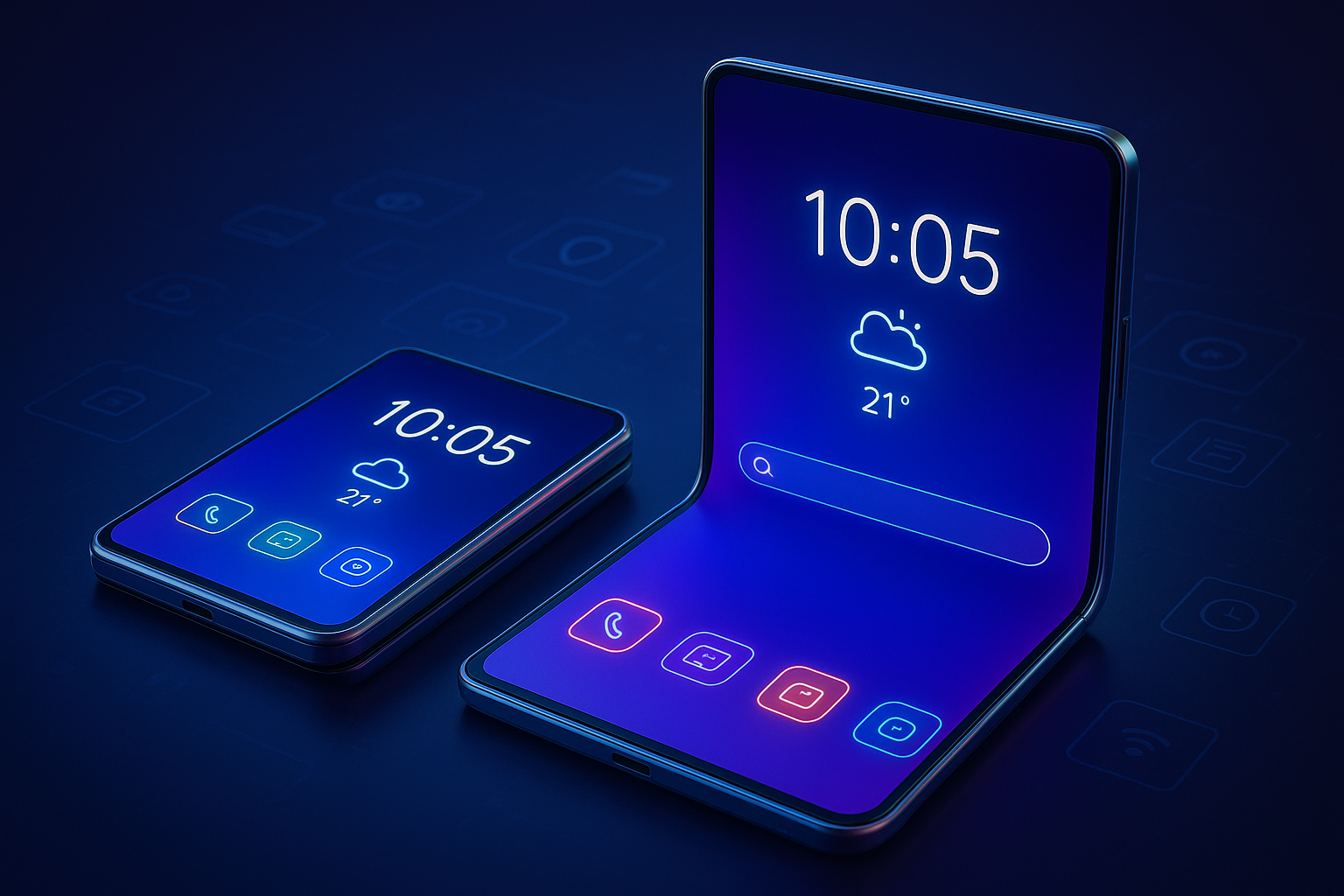
Foldable smartphones have come a long way from being considered a novelty gadget to becoming a serious upgrade option for everyday users. The third generation of foldable phones brings meaningful improvements in design, durability, performance, and value — making them worth a closer look for anyone planning their next phone purchase.
Better Design and Stronger Build Quality
One of the biggest complaints about early foldable phones was their fragile feel. The latest generation addresses this head-on with a noticeably stronger and slimmer build.
Slimmer and Stronger Hinges
Manufacturers are now using high-strength, lightweight materials like titanium and carbon fiber in hinge construction. These materials allow the hinge to open and close smoothly thousands of times without wearing out. The result is a device that feels premium and holds up well over time.
More Durable Screens
The inner display — always the most vulnerable part of a foldable — has seen major upgrades in the third generation:
- Improved scratch resistance on the flexible display layer
- Reduced crease visibility at the fold point
- Stronger bent sections that handle repeated folding better
Water and Dust Resistance
Early foldables were notorious for being vulnerable to dust and moisture. The newer models now come with proper water and dust resistance ratings, making them far more suitable for daily real-world use.
Improved Performance and Everyday Features
Beyond the build, the third generation of foldables has also closed the gap with traditional flagship smartphones in terms of raw performance and features.
Bigger Screens Built for Multitasking
The large inner display — which unfolds to near-tablet size — is one of the strongest selling points of any foldable phone. Users can:
- Watch movies and stream content on a wider screen
- Edit videos and photos with more workspace
- Run multiple apps side by side at the same time
- Read books or browse the web more comfortably
Essentially, you get a phone and a tablet in a single device that fits in your pocket.
Flagship-Level Cameras
Camera systems on foldable phones have caught up with top-tier flagship models. Some devices now let users take selfies using the powerful rear camera by turning the cover screen into a live viewfinder — a feature that content creators especially appreciate.
Stronger Battery and Faster Chipsets
Powering a large foldable display requires serious hardware. The latest foldables come equipped with:
- Latest-generation chipsets for faster processing
- More RAM for smooth multitasking
- Smart power management to extend battery life even on the bigger screen
More Practical and User-Friendly Than Ever
The shift from “fancy tech experiment” to “reliable daily driver” is perhaps the most important story of foldable phones 3.0.
Built for Daily Use
These devices can now handle everything a regular smartphone does — calls, messaging, browsing, and work apps — without any reliability concerns. The durability improvements mean users no longer need to treat their foldable phone with extra care.
More Affordable Options Entering the Market
As more brands launch their own foldable models, competition is driving prices down. While foldables are still priced higher than standard smartphones, the gap is narrowing, and more budget-conscious buyers are finding options that suit them.
One Device, Multiple Use Cases
A single foldable phone can serve as:
- A compact smartphone that slips easily into a pocket or bag
- A tablet-sized display for work, entertainment, or creative tasks
This versatility makes foldables appealing to students, professionals, gamers, and content creators alike.
Things to Consider Before Buying
Despite the clear progress, foldable phones still have a few limitations worth knowing before you spend your money:
- Higher price point: They still cost significantly more than comparable traditional smartphones
- Weight: Some models are heavier than standard phones due to the hinge mechanism and dual-screen setup
- App optimisation: Not all Android apps are fully adapted for large foldable displays yet, though this is improving steadily
These are real trade-offs, but each new generation addresses them more effectively than the last.
| Feature | Early Foldables | Foldable Phones 3.0 |
|---|---|---|
| Hinge Durability | Weak, prone to wear | Titanium/carbon fiber, long-lasting |
| Screen Crease | Very visible | Significantly reduced |
| Water Resistance | None or minimal | Proper IP rating on most models |
| Camera Quality | Below flagship level | Matches flagship standards |
| Price | Very expensive | Still premium, but more options available |
Is a Foldable Phone 3.0 Worth Buying?
If you want a phone that doubles as a tablet, handles multitasking with ease, delivers top-tier performance, and feels built for the future — the third generation of foldable smartphones is a strong choice. They are more robust, more capable, and more practical than any previous foldable generation.
For users who spend a lot of time on their phones for work, content creation, or entertainment, the larger screen and improved reliability make a compelling case. Just be prepared for the higher price tag and check that your most-used apps support the bigger display format.
Foldable phones are no longer a risky experiment. They are a mature product category that is only getting better with each release.
Frequently Asked Questions
Yes, the third generation of foldable phones is significantly more durable than earlier models. They use materials like titanium and carbon fiber in the hinge, have improved scratch-resistant screens, and most models now carry water and dust resistance ratings, making them reliable for everyday use.
The main advantage is the large inner display that unfolds to near-tablet size. This makes foldable phones ideal for multitasking, watching content, editing photos or videos, and running multiple apps at the same time — all in a device that still fits in your pocket when folded.
Foldable phones are still priced higher than standard smartphones, but prices have been dropping as more brands enter the market. While they remain a premium purchase, there are now more options available at different price points compared to earlier generations.