Smart wearables have come a long way, but one problem has always slowed them down — battery life. Charging cables, power banks, and dying devices mid-day are frustrations most users know well. Battery-free and energy-harvesting wearables are now offering a practical solution by drawing power directly from the human body and surrounding environment, making constant charging a thing of the past.
What Are Battery-Free and Energy-Harvesting Wearables?
Battery-free wearables are smart devices that do not rely on traditional rechargeable batteries. Instead, they generate power from natural and ambient sources available in everyday life. These include body heat, physical movement, sunlight, and even radio frequency signals present in the environment.
Rather than storing energy in a large lithium-ion cell, these devices use small, efficient energy-harvesting systems that continuously collect and convert ambient energy into usable power. This keeps the device running without any need for a charging cable or power bank.
The growing interest in this technology is driven by three key consumer demands:
- Convenience — no charging routines or battery anxiety
- Lightweight design — smaller form factors without bulky battery units
- Sustainability — reduced electronic waste and lower environmental impact
How Do These Devices Actually Harvest Energy?
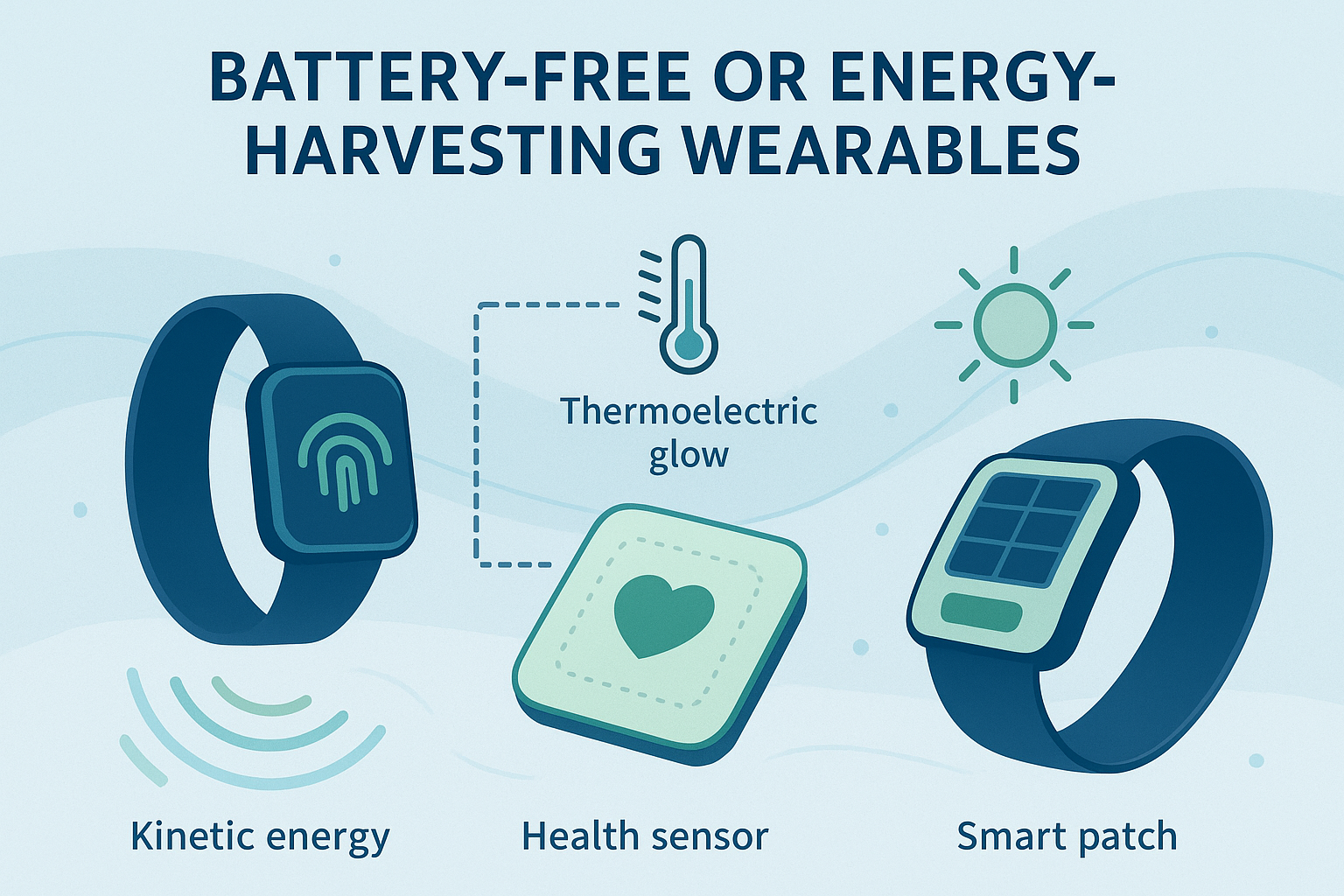
Energy-harvesting wearables use different methods depending on the design and intended use. Here are the main types:
- Motion-based harvesting — Devices capture kinetic energy from walking, running, or hand movements and convert it into electrical power.
- Thermoelectric harvesting — These wearables use the natural heat difference between the human body and the surrounding air to generate electricity.
- Solar harvesting — Thin, semi-transparent photovoltaic cells embedded in the device absorb both outdoor sunlight and indoor ambient light.
- RF energy harvesting — Some advanced devices can draw tiny amounts of power from radio frequency signals already present in the environment.
Because these devices generate power continuously through daily activity, users never need to worry about battery levels or charging schedules.
Key Advantages Over Traditional Battery-Powered Wearables
The benefits of energy-harvesting wearables go beyond just skipping the charger. Here is a quick comparison of how they stack up against conventional battery-powered devices:
| Feature | Battery-Powered Wearables | Energy-Harvesting Wearables |
|---|---|---|
| Charging Required | Yes, regularly | No |
| Device Weight | Heavier due to battery | Lighter and slimmer |
| Environmental Impact | Higher e-waste | Lower e-waste, greener |
| Long-Term Reliability | Battery degrades over time | Consistent, long-lasting |
| Best Use Case | General consumer use | Health, fitness, industrial |
Where Energy-Harvesting Wearables Are Most Useful
These devices are particularly valuable in situations where uninterrupted operation is critical. Some of the most impactful use cases include:
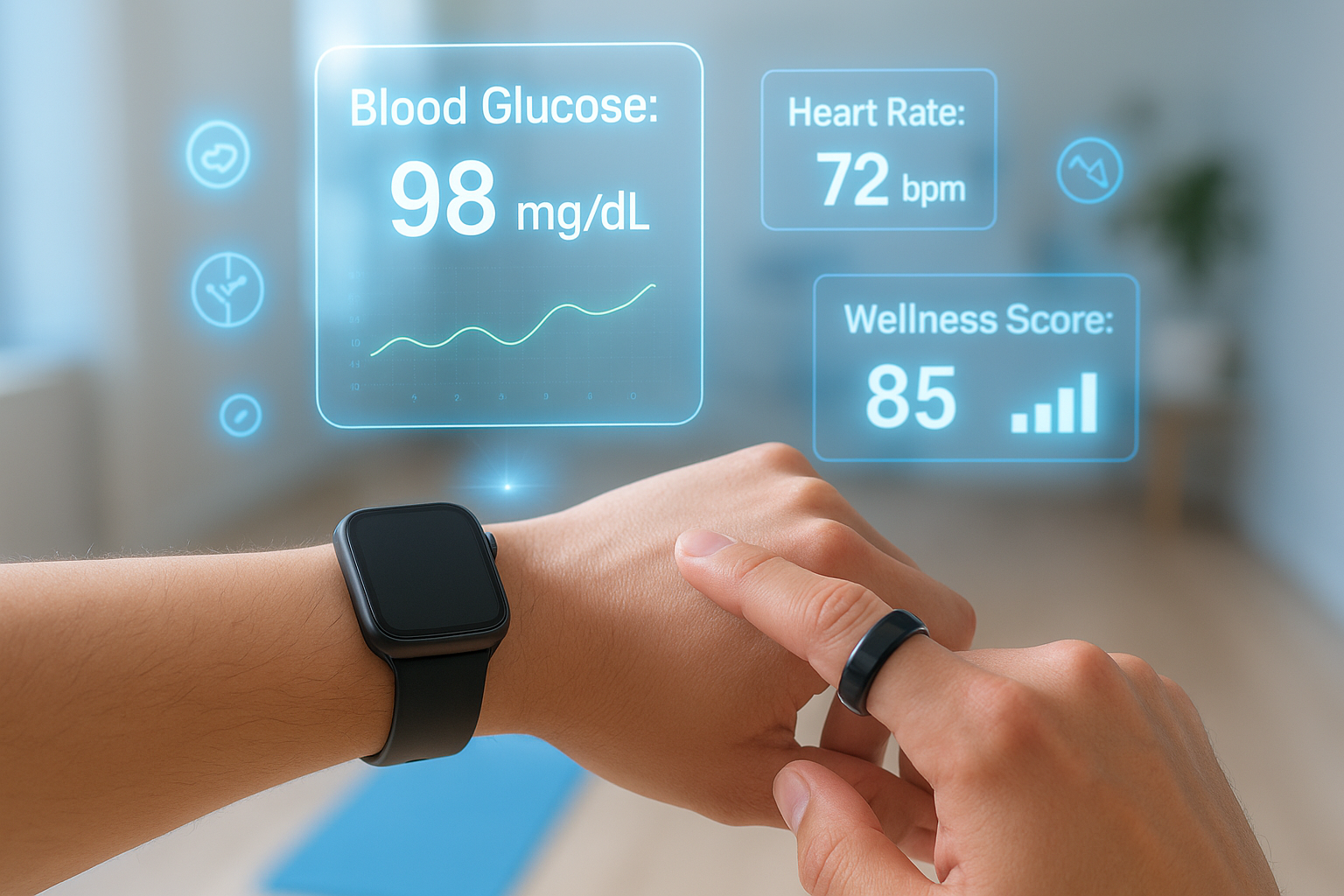
- Health monitoring — Wearables that track vital signs like heart rate, blood oxygen, and body temperature can operate continuously without interruption.
- Fitness tracking — Activity monitors can collect data around the clock without needing a charge after a workout.
- Industrial and manufacturing — Workers in factories or field environments benefit from devices that never run out of power during long shifts.
- Environmental monitoring — Sensors placed in remote or hard-to-reach locations can collect data for years without any maintenance or battery replacement.
The ability to run for extended periods — potentially years — without human intervention makes these wearables a strong choice for long-term data collection and monitoring applications.
What the Future Holds for Battery-Free Wearable Technology
As the technology matures, battery-free wearables are expected to support more advanced features. Future devices may include health analysis tools, improved wireless connectivity, and smarter sensors — all powered entirely by ambient energy.
The concept of zero-charging wearables — devices that never need to be plugged in at any point in their lifetime — is becoming a realistic goal for manufacturers and researchers. As this shift happens, the wearable tech industry is likely to move toward products that are not only more convenient but also significantly more sustainable.
This transition also aligns with broader global efforts to reduce electronic waste and build greener consumer technology. Battery-free wearables represent a meaningful step in that direction.
In summary, energy-harvesting wearables are not just a technical novelty — they address real pain points for everyday users while offering long-term benefits for health, industry, and the environment. As adoption grows, these devices could redefine what people expect from their smart gadgets.
Frequently Asked Questions
Battery-free wearables use energy-harvesting methods such as capturing kinetic energy from body movement, converting body heat into electricity through thermoelectric systems, or absorbing light through small solar cells. Some devices can also draw power from ambient radio frequency signals in the environment.
Yes. Because these devices generate power continuously from everyday activities and ambient sources, they can operate without interruption for extended periods — sometimes years. This makes them well-suited for continuous health monitoring applications like heart rate tracking and vital sign measurement.
Battery-free wearables eliminate the need for lithium-ion batteries, which are a major source of electronic waste. Without large battery units, these devices are lighter, have a longer operational lifespan, and contribute significantly less to e-waste, making them a more sustainable choice for consumers and industries alike.