
Software development is changing fast. Teams are under pressure to ship faster, reduce bugs, and manage growing complexity — all at the same time. AI-augmented engineering is emerging as a practical answer to these challenges. By weaving AI tools into every stage of the development lifecycle, teams can work smarter without replacing the human judgment that great software demands.
What Is AI-Augmented Engineering?
AI-augmented engineering is the practice of using artificial intelligence tools to assist developers throughout the software-building process. Rather than writing every line of code manually or running every test by hand, developers use AI to handle repetitive, time-consuming tasks.
This includes activities like:
- Generating code suggestions and completing functions
- Detecting bugs and security vulnerabilities early
- Automating test case creation
- Monitoring deployed applications in real time
- Recommending improvements to existing codebases
Importantly, AI does not replace developers. It works alongside them, handling the mechanical parts of the job so engineers can focus on architecture, creativity, and problem-solving.
Why AI Is Changing How Software Gets Built
Traditional software development is slow in specific areas — particularly repetitive coding, manual testing, and bug detection. These tasks consume a large share of a developer’s working hours without requiring deep creative thinking.
AI addresses this directly. When tools take over code generation and bug detection, development cycles become shorter. Software quality improves because issues are caught earlier. Costs drop because less manual labor is needed for routine work. Teams can also scale up larger, more complex projects without proportionally increasing headcount.
The result is faster delivery, fewer errors, and better use of skilled engineering talent.
Key Benefits of an AI-Augmented Development Roadmap
Adopting a structured AI-augmented roadmap brings measurable advantages across the software development lifecycle:
- Faster development cycles: Automation of simple coding and testing tasks reduces time-to-delivery significantly.
- Higher code quality: AI detects security flaws and performance issues early, before they reach production.
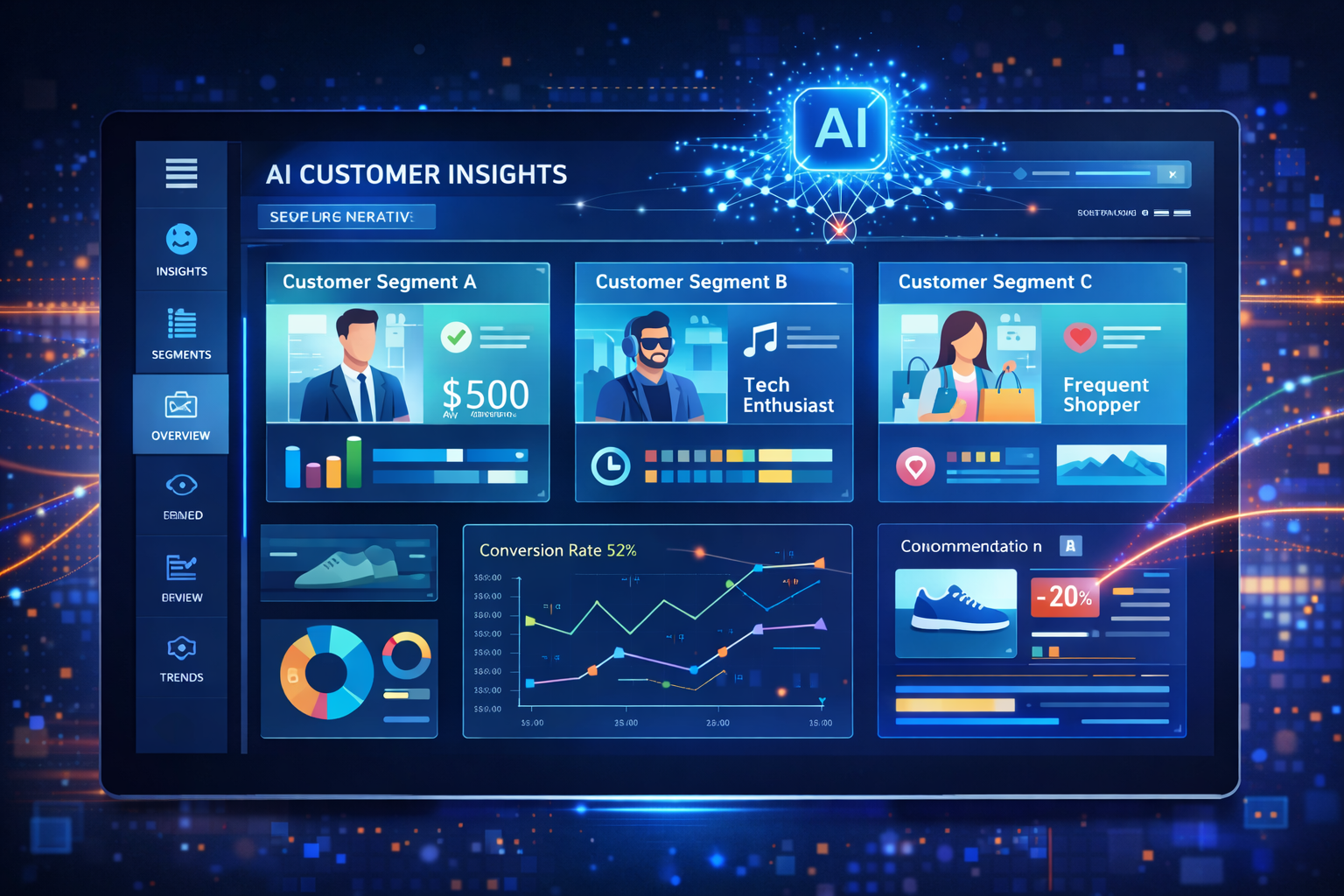
- Better decision-making: AI-driven insights help developers and project managers make more informed choices.
- Lower costs: Reduced manual effort means lower operational expenses over the project lifecycle.
- Easier scaling: AI helps maintain structure and consistency even as projects grow in size and complexity.
How AI Supports Each Stage of the Software Development Lifecycle
A well-designed AI-augmented roadmap maps specific tools and capabilities to each phase of development. Here is how AI fits into the full lifecycle:
| Development Stage | AI Role | Example Tools |
|---|---|---|
| Planning and Design | Time estimation, risk identification, design suggestions | AI project planning assistants |
| Development and Coding | Code suggestions, function completion, error correction | GitHub Copilot, CodeWhisperer |
| Testing and QA | Automated test generation, bug identification, issue prediction | AI-powered testing platforms |
| Deployment and Monitoring | Performance monitoring, failure detection, real-time alerts | AIOps monitoring tools |
| Maintenance and Updates | Update recommendations, legacy code refactoring, vulnerability detection | AI code review assistants |
Planning and Design: AI analyzes data from past projects to produce more accurate time estimates, flag risks before they become problems, and suggest efficient design patterns. Teams plan with greater confidence and avoid common delays.
Development and Coding: Tools like GitHub Copilot and Amazon CodeWhisperer assist developers by suggesting code in real time, completing functions, catching errors, and optimizing performance. This speeds up the coding phase considerably.
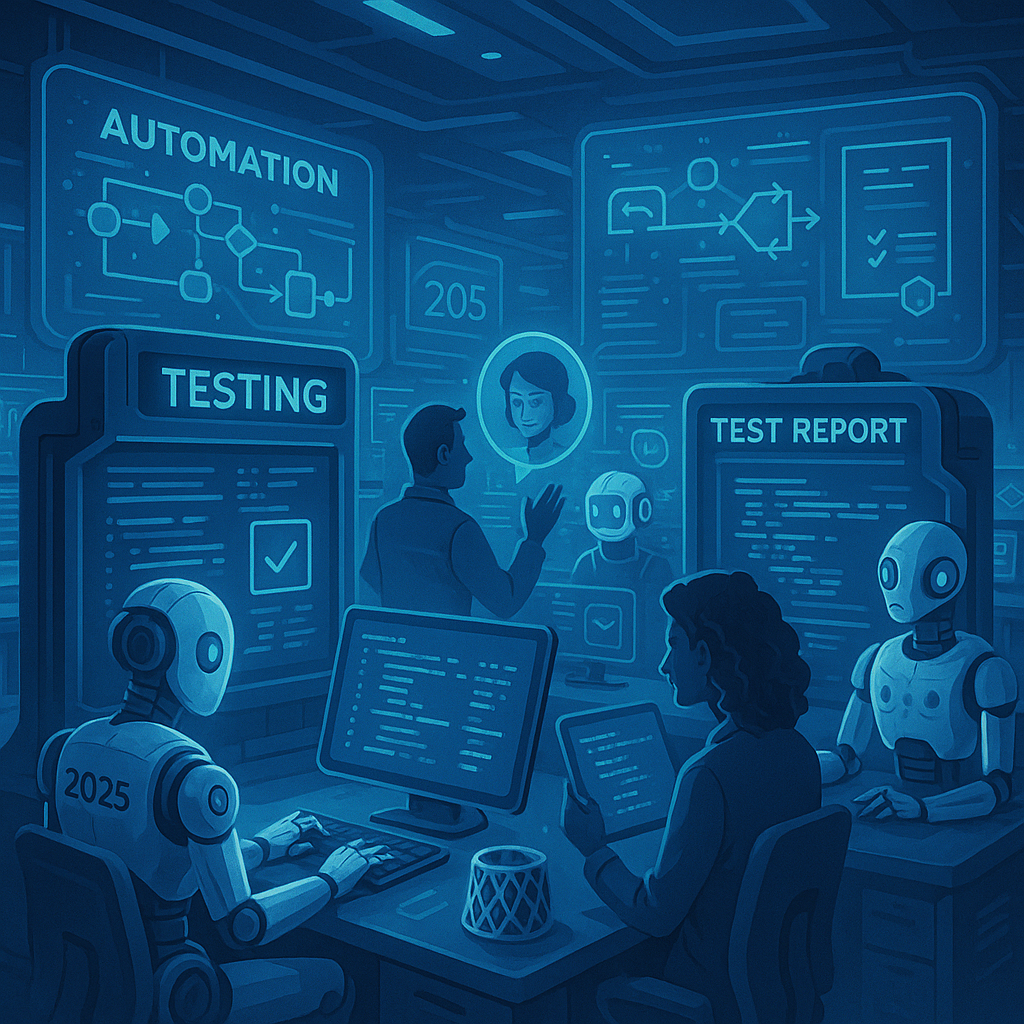
Testing and Quality Assurance: AI automatically generates test scenarios, identifies bugs, and predicts where issues are likely to appear. This reduces the burden of manual testing while maintaining software stability.
Deployment and Monitoring: After a product goes live, AI monitors performance continuously, detects failures early, and recommends fixes before users are impacted. This keeps applications running reliably.
Maintenance and Improvements: Even after release, AI continues to add value by recommending updates, identifying hidden vulnerabilities, and suggesting refactoring of outdated code. Applications stay secure, flexible, and current over time.
What the Future Looks Like for AI-Assisted Engineering Teams
The role of the software developer is shifting. As AI handles more of the repetitive, rule-based work, engineers will spend more time on higher-value activities — system architecture, creative problem-solving, and strategic decision-making.
Organizations that adopt AI-augmented workflows early are likely to see real competitive advantages: faster product delivery, higher software quality, and lower development costs. Teams that resist the shift risk falling behind in both speed and output quality.
The broader impact goes beyond individual teams. As AI becomes standard in engineering workflows, it will shape how software companies hire, train, and structure their development processes. The demand for engineers who can work effectively alongside AI tools is already growing.
AI-augmented engineering is not a distant concept — it is already reshaping how software gets built today. Teams that build a clear roadmap for integrating AI across planning, coding, testing, deployment, and maintenance will be better positioned to deliver faster, higher-quality software at lower cost. The shift is well underway, and the organizations moving deliberately in this direction are the ones setting the pace for the industry.