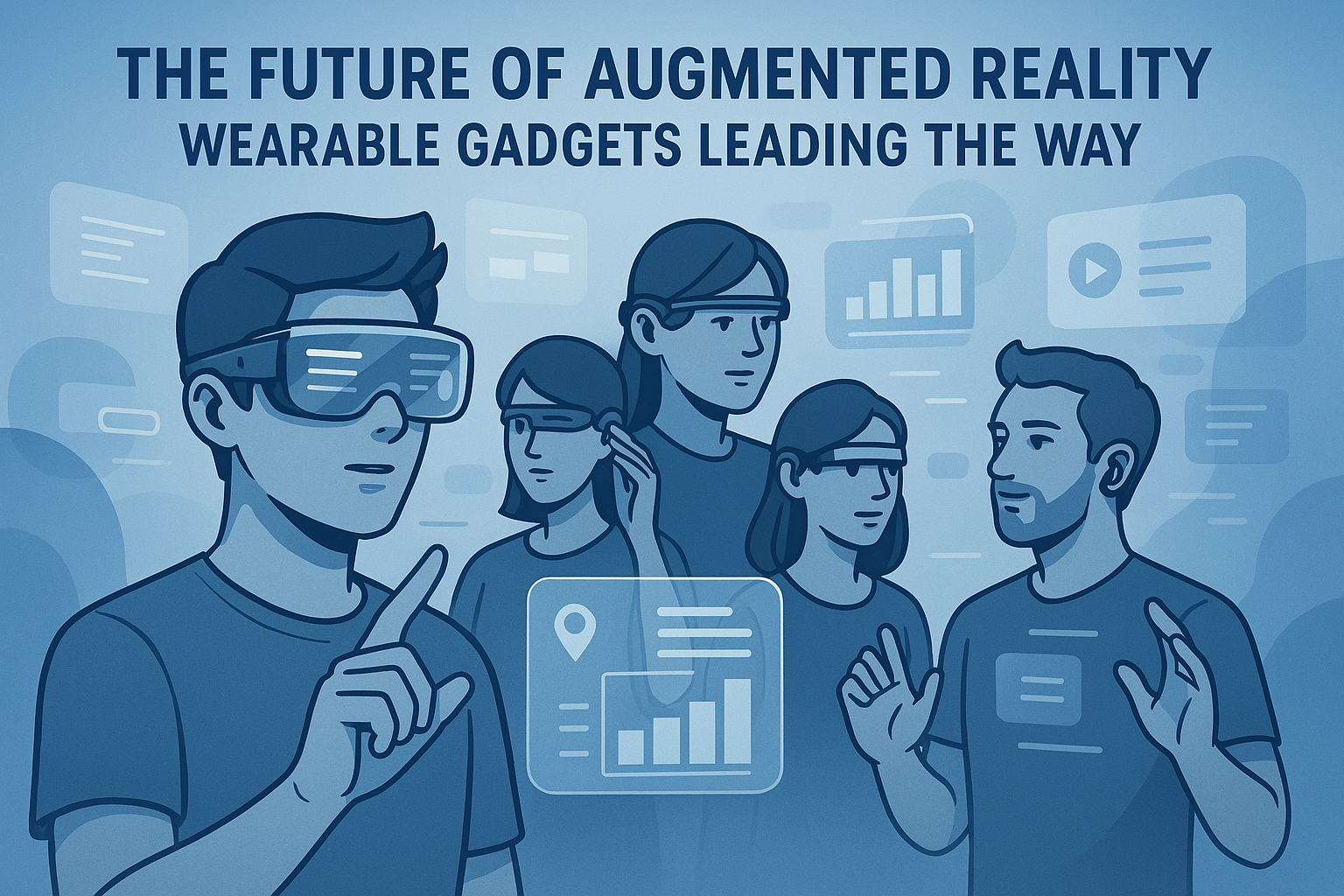
Augmented Reality is no longer a concept limited to science fiction films or experimental labs. It is quietly entering our daily lives through wearable gadgets like AR glasses, smart helmets, and headsets. As these devices become more capable and accessible, they are changing how we work, learn, shop, and play.
What Is Augmented Reality and How Does It Work?
Augmented Reality, commonly known as AR, adds digital elements — such as images, text, or 3D models — on top of the real world. Unlike Virtual Reality, which replaces your surroundings entirely with a simulated environment, AR enhances what you already see.
For example, AR can overlay turn-by-turn navigation directions as you walk through a city. It can also place virtual game characters in your actual living room. This blend of the physical and digital worlds makes AR both practical and engaging across many situations.
The key difference between AR and VR is worth understanding:
| Feature | Augmented Reality (AR) | Virtual Reality (VR) |
|---|---|---|
| Environment | Real world with digital overlays | Fully simulated environment |
| Device | AR glasses, smartphones, headsets | VR headsets |
| Use Cases | Navigation, healthcare, retail, gaming | Gaming, simulation, training |
How Wearable Gadgets Are Driving AR Adoption
While smartphones gave many people their first taste of AR, wearable devices are taking the experience much further. They offer hands-free interaction, which makes AR far more practical in real-world situations.
- AR Glasses: Companies like Microsoft with its HoloLens and Apple are developing glasses that project digital information directly into your field of vision. These glasses can display directions, notifications, and interactive content without requiring you to look at a separate screen.
- Smart Helmets and Headsets: Industries such as construction and healthcare are already using AR-powered smart helmets. Workers can view blueprints, patient data, or safety alerts in real time without taking their eyes off the task at hand. This hands-free approach improves both efficiency and safety on the job.
Industries Being Transformed by AR Wearables
AR wearable devices are not just impressive technology — they are actively changing how entire sectors operate.
- Healthcare: Surgeons are using AR glasses to access real-time patient data, including heart rate readings and 3D organ images, during procedures. This additional layer of information can improve surgical precision and patient outcomes.
- Education and Training: Medical students can now practice complex procedures in virtual environments using AR headsets. Professionals in various fields can also use interactive 3D models to understand difficult concepts more clearly.
- Gaming and Entertainment: AR glasses allow gamers to bring virtual elements into their physical space. Imagine your living room becoming a battlefield or virtual opponents appearing right in front of you — AR is making this possible.
- Retail: Shoppers can use AR glasses to virtually try on clothes or visualise how furniture will look in their home before making a purchase. This gives buyers greater confidence and reduces the likelihood of returns.
What the Future Holds for AR Wearable Technology
The rollout of 5G networks is expected to significantly boost AR wearables. Faster internet speeds and lower latency will allow AR experiences to become smoother, more responsive, and closer to real life.
Device manufacturers are also working on making AR glasses lighter, more compact, and stylish enough to wear as everyday accessories. In the coming years, AR could become as common as smartphones, woven into work routines, entertainment, and personal navigation.
Key Challenges That Still Need to Be Addressed
Despite the strong potential, AR wearables face several hurdles before they can reach mainstream adoption.
- High Cost: Most AR devices currently carry a significant price tag, putting them out of reach for many consumers. As production scales up and technology matures, prices are expected to fall.
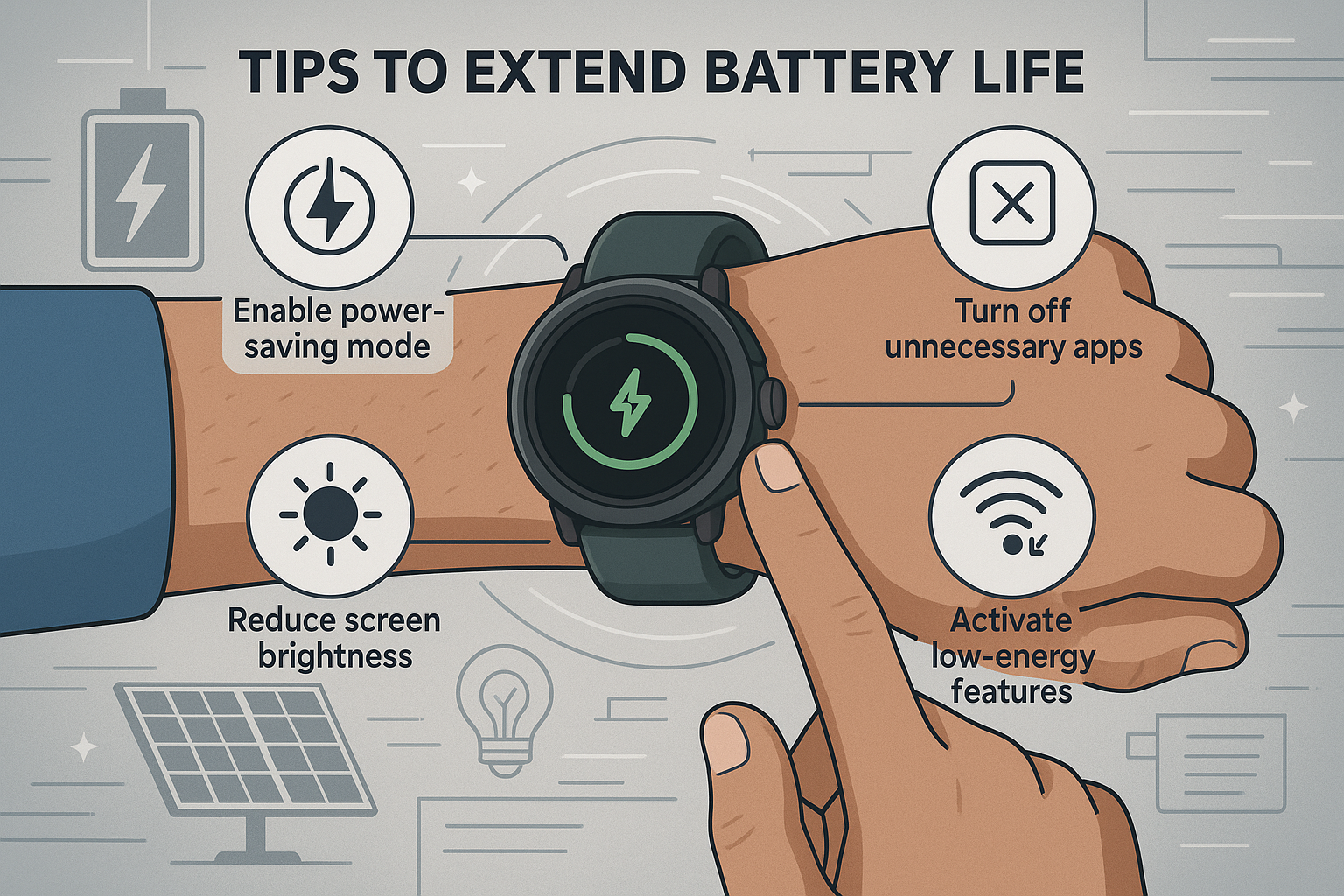
- Battery Life: Many AR wearables drain their batteries quickly, limiting how long they can be used continuously. Manufacturers are actively working on improving battery performance to support full-day usage.
- Privacy Concerns: AR devices often capture real-world visual and audio data to function properly. This raises valid questions about how that data is stored, used, and protected. Stronger regulations and clearer data policies will be essential as adoption grows.
Augmented Reality wearables are steadily moving from niche technology to practical tools that can benefit everyday users. With improvements in 5G connectivity, battery life, and device design, the barriers to widespread use are gradually coming down. Whether in hospitals, classrooms, retail stores, or living rooms, AR is set to become a meaningful part of how we experience the world around us.
Frequently Asked Questions
Augmented Reality adds digital elements like images or text on top of the real world, while Virtual Reality replaces your surroundings entirely with a simulated environment. AR enhances reality; VR creates a new one.
Microsoft with its HoloLens headset and Apple are among the leading companies developing AR glasses. These devices project digital information directly into the user's field of vision for a hands-free experience.
The three main challenges are high cost, limited battery life, and privacy concerns. Most AR devices are still expensive, drain batteries quickly, and raise questions about how real-world data captured by the devices is stored and used.