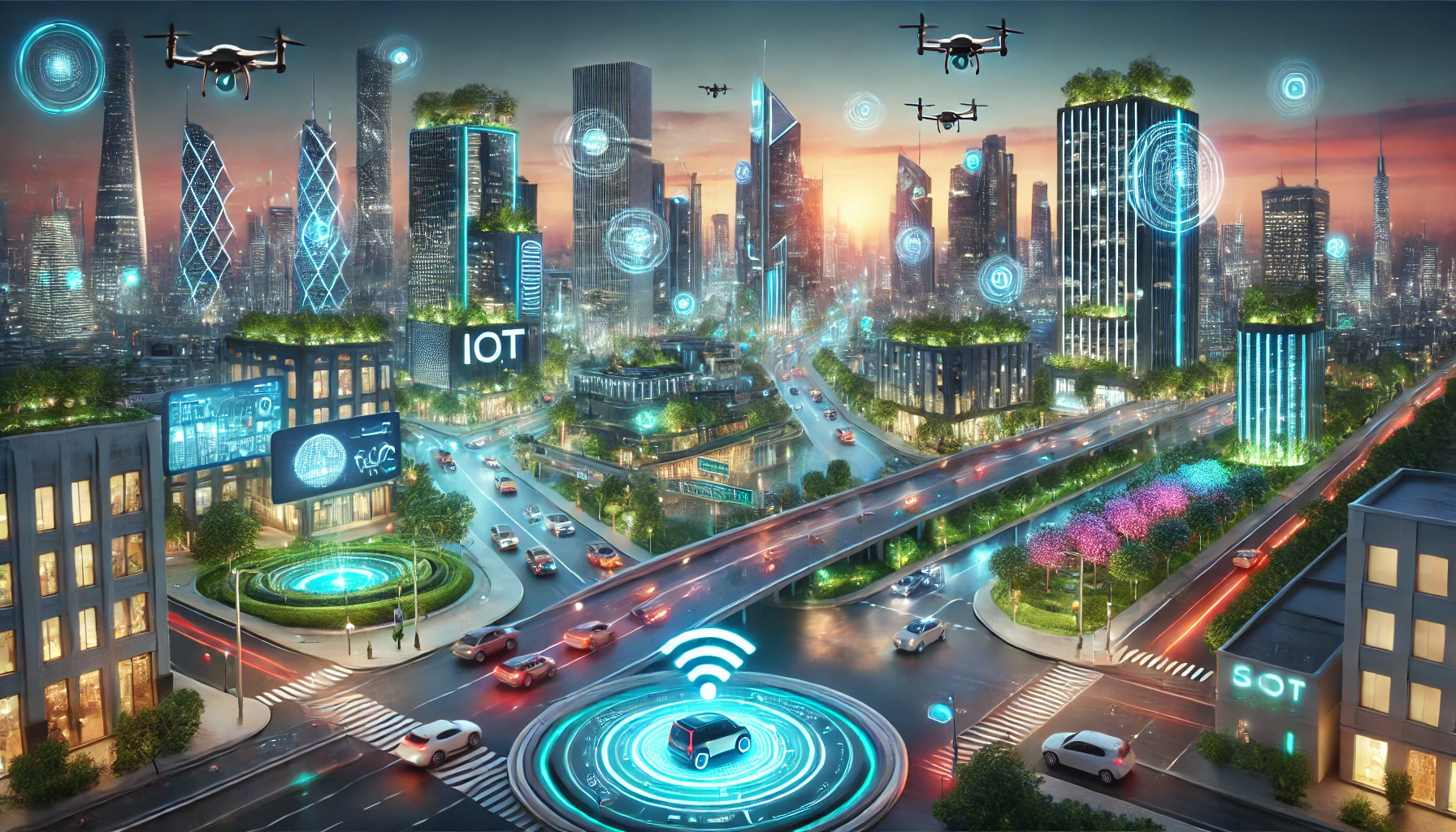
Cities around the world are growing faster than ever, and managing that growth is becoming a serious challenge. Smart city technology, powered by the Internet of Things (IoT), is helping urban planners and governments respond to this challenge by making cities more efficient, sustainable, and safer for residents.
What Exactly Is a Smart City?
A smart city uses digital technology to monitor, manage, and improve urban services and infrastructure in real time. Think of it as a city that listens and responds to what its residents need.
At the core of every smart city are connected devices — sensors, cameras, smart meters, and data platforms — that collect information continuously. City administrators use this data to make better decisions about everything from energy distribution to traffic management.
- Sensors track air quality, water usage, and road conditions
- Smart meters monitor electricity and water consumption at the household level
- Cameras and surveillance systems support public safety operations
- Data dashboards give city officials a real-time view of urban systems
The goal is simple: build cities that work better, waste less, and keep people safer.
How IoT Connects the Urban Ecosystem
IoT is the backbone of smart city infrastructure. It links thousands of devices across a city and allows them to share data and act on it automatically — without human intervention every step of the way.
Here are some practical examples of IoT at work in cities today:
- Traffic management: Road sensors detect congestion and automatically adjust traffic signal timings to ease the flow of vehicles
- Smart street lighting: Lights dim automatically when streets are empty, reducing energy consumption significantly
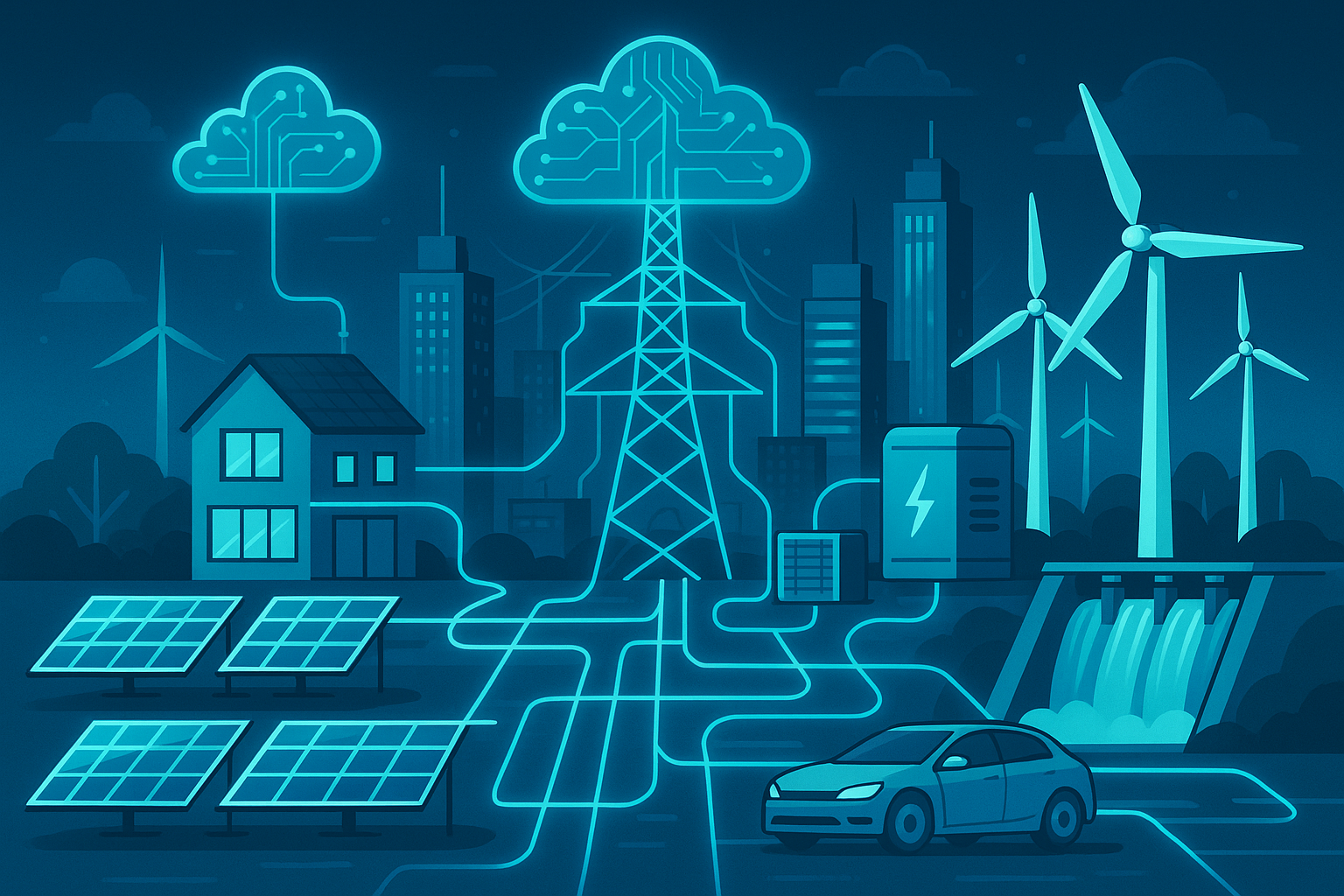
- Smart grids: Electricity distribution becomes more efficient, reducing waste and lowering costs for residents
- Water management: Sensors detect pipe leaks early, preventing water loss before it becomes a major problem
This interconnected network makes daily city life smoother and helps governments cut operational costs over time.
Transforming How People Move Around Cities
Transportation is one of the most visible areas where smart city technology is making a real difference. IoT-enabled public transit systems provide live updates on bus and train schedules, helping commuters plan their journeys more accurately.
Beyond public transport, smart cities are also integrating:
- Ride-sharing platforms that reduce the number of private vehicles on roads
- Electric vehicle charging infrastructure spread across the city
- Vehicle-to-vehicle communication systems that improve road safety
- Autonomous vehicle testing zones in select urban areas
When roads are smarter and vehicles can communicate with infrastructure, traffic jams reduce and road accidents become less frequent. This directly improves the quality of life for millions of urban residents.
Building Greener and More Sustainable Cities
Sustainability is a central promise of smart city development. IoT technology gives cities the tools to monitor and reduce their environmental footprint in ways that were not possible before.
| Smart Technology | Environmental Benefit |
|---|---|
| Smart Grids | Reduces energy waste through efficient distribution |
| Water Sensors | Detects leaks early to prevent water wastage |
| Air Quality Monitors | Alerts officials to pollution spikes for faster response |
| Smart Street Lights | Cuts electricity use during low-traffic hours |
Cities that adopt these technologies are better positioned to meet climate targets and provide healthier living environments for their populations.
Strengthening Public Safety Through Smart Technology
Public safety is a top priority for any city administration, and smart technology is helping emergency services respond faster and more effectively.
Smart surveillance cameras and IoT sensors monitor public spaces around the clock. When an incident occurs — whether it is a road accident, a fire, or a public disturbance — emergency teams receive real-time alerts and can respond immediately.
Advanced communication platforms also allow police, fire departments, and medical services to coordinate better during emergencies. This integration reduces response times and can save lives in critical situations.
Challenges That Smart Cities Still Need to Overcome
Despite the clear benefits, smart cities face real obstacles that cannot be ignored. The most pressing challenges include:
- Cybersecurity risks: A city that relies on connected devices is also vulnerable to cyberattacks that could disrupt essential services
- Data privacy concerns: Collecting large volumes of citizen data raises important questions about how that data is stored, used, and protected
- High infrastructure costs: Upgrading existing city infrastructure to support smart technology requires significant investment
- Digital divide: Not all residents have equal access to or understanding of smart city services
Emerging technologies like 5G networks, blockchain for secure data management, and advanced AI-driven analytics are being explored to address many of these concerns. As these tools mature, smart cities are expected to become more resilient and accessible.
Smart cities represent a significant shift in how urban spaces are designed and managed. With IoT at the centre of this transformation, cities are becoming more responsive, resource-efficient, and safer. While challenges around security, privacy, and cost remain, the direction is clear — the future of urban living will be shaped by connected, data-driven infrastructure that puts people first.
Frequently Asked Questions
A smart city uses digital technologies like IoT sensors, cameras, and data platforms to monitor and manage urban services in real time. This helps city administrators make data-driven decisions to improve transportation, energy use, water management, and public safety.
IoT connects thousands of devices across a city, allowing them to share and act on data automatically. Examples include traffic sensors that adjust signal timings, smart streetlights that dim when roads are empty, and water sensors that detect leaks before they cause major damage.
The main challenges include cybersecurity vulnerabilities from connected devices, data privacy concerns around citizen information, high costs of upgrading existing infrastructure, and ensuring equal access to smart city services for all residents.