Augmented Reality (AR) glasses are quickly becoming one of the most talked-about technologies in the world. From hospital operating rooms to retail stores and school classrooms, these wearable devices are reshaping how people interact with digital information in their everyday lives. Companies like Apple, Google, and Microsoft are leading the charge, and the market is growing faster than ever.
What Are AR Glasses and How Do They Work?
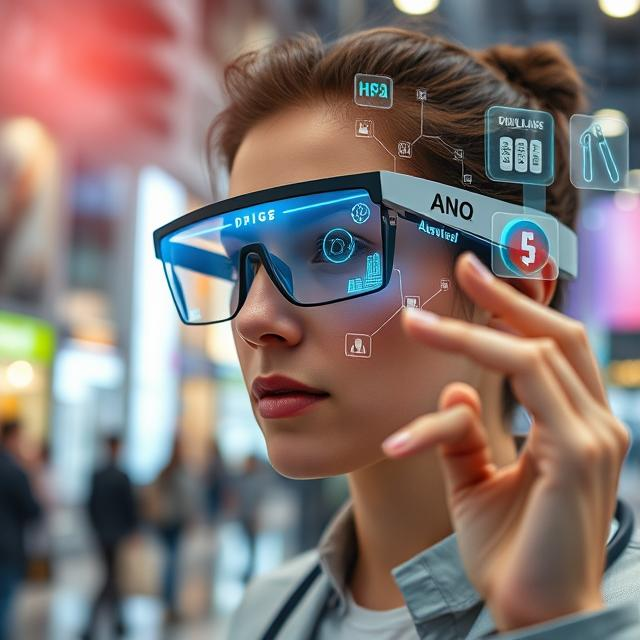
AR glasses are wearable devices that overlay digital information onto the real world. Unlike virtual reality headsets that block out your surroundings entirely, AR glasses let you see the physical world while adding a layer of digital visuals on top of it.
These devices are packed with cameras, motion sensors, and advanced display screens. Together, these components blend virtual objects into your real environment in real time. The result is an experience that feels natural and immersive without cutting you off from what is happening around you.
The technology has come a long way in a short time. Early versions were bulky and limited. Today’s AR glasses are sleeker, smarter, and far more capable — making them practical for both personal and professional use.
How Different Industries Are Using AR Glasses
One of the biggest strengths of AR glasses is their versatility. Several industries are already finding powerful ways to put this technology to work:
- Healthcare: Surgeons can now access patient data, medical scans, and real-time guidance directly in their line of sight during procedures. This improves precision, reduces the chance of errors, and makes complex operations safer and more effective.
- Retail: Shoppers can use AR glasses to virtually try on clothes, check how a product fits their space, or visualize how a piece of furniture would look in their home before making a purchase. This makes the buying experience more interactive and helps customers make better decisions.
- Education: AR glasses are transforming classrooms by bringing textbooks and learning materials to life. Students can interact with 3D models of historical events, scientific concepts, or engineering structures, making difficult subjects easier to understand and far more engaging.
- Manufacturing and Engineering: Workers on factory floors can receive step-by-step visual instructions overlaid on machinery, reducing training time and improving accuracy in complex assembly tasks.
- Navigation and Field Work: AR glasses can display real-time maps, directions, or technical data for professionals working in the field, from construction workers to emergency responders.
Key Technological Advancements Driving AR Glasses Forward
Recent improvements in hardware and software have made AR glasses significantly better for everyday use. Here is a look at some of the most important advances:
- Higher Display Resolutions: Sharper, clearer screens make digital overlays look more realistic and easier to read, improving the overall user experience.
- Gesture Recognition: Users can now interact with digital elements using simple hand movements. This makes the technology more intuitive and reduces the need for physical buttons or voice commands.
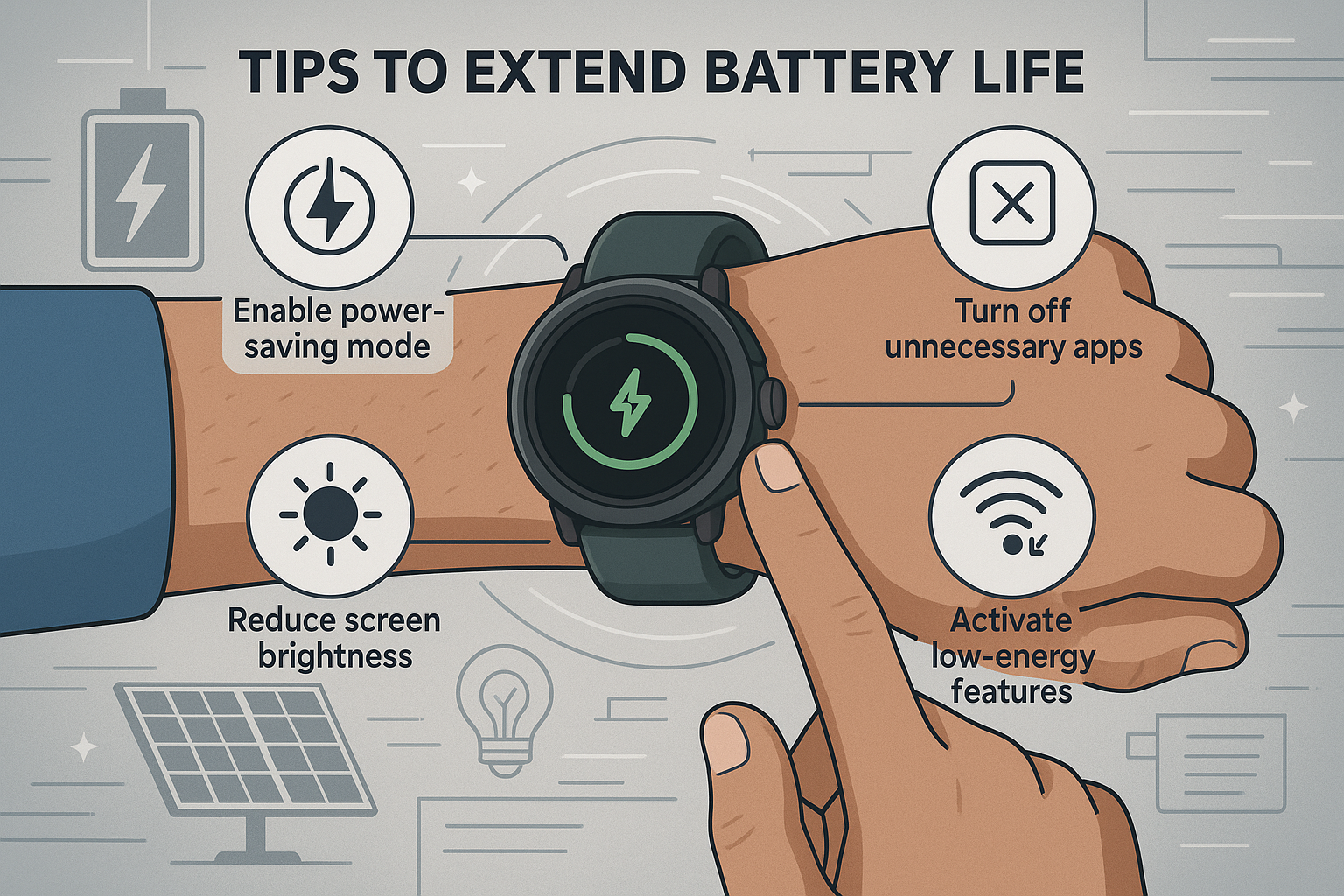
- Longer Battery Life: One of the biggest complaints about early AR glasses was that they ran out of power too quickly. Newer models offer significantly improved battery performance, allowing users to wear them for extended periods without interruption.
- Lighter and More Comfortable Designs: Manufacturers are investing heavily in making AR glasses lighter and more comfortable, so they can be worn for hours without causing fatigue.
| Feature | Early AR Glasses | Modern AR Glasses |
|---|---|---|
| Display Quality | Low resolution, blurry | High resolution, sharp visuals |
| Battery Life | 1 to 2 hours | Several hours of use |
| Interaction | Limited button controls | Gesture and voice recognition |
| Design | Bulky and heavy | Slim and lightweight |
Market Growth and Who Is Leading the Race
The global AR glasses market is expanding rapidly. Tech giants like Apple, Google, and Microsoft are investing billions into developing and refining their AR hardware and software platforms. Apple’s Vision Pro, Google’s ongoing AR projects, and Microsoft’s HoloLens are among the most prominent products shaping this space.
As production scales up and prices gradually come down, more businesses and individual consumers are expected to adopt AR glasses. Companies are already using the technology to improve workplace efficiency, enhance customer experiences, and develop new products and services.
The growing availability of AR-compatible apps and platforms is also accelerating adoption. Developers around the world are building tools and experiences specifically designed for AR glasses, which is expanding the ecosystem quickly.
Challenges That Still Need to Be Solved
Despite all the progress, AR glasses still face real obstacles that are slowing down mass adoption:
- Privacy Concerns: Because AR glasses are equipped with cameras and sensors, many people worry about being recorded without their knowledge. This raises serious questions about data collection and personal privacy in public spaces.
- Technology Limitations: While the technology has improved greatly, AR glasses still struggle with issues like limited field of view, occasional lag, and difficulty functioning in bright outdoor environments.
- Comfort and Wearability: Even with design improvements, many users find it uncomfortable to wear AR glasses for long periods. Achieving a balance between functionality and comfort remains a challenge for manufacturers.
- High Cost: Premium AR glasses are still expensive, putting them out of reach for many consumers and small businesses.
Researchers and engineers are actively working on all of these challenges. As solutions emerge, AR glasses are expected to become a mainstream technology used by millions of people worldwide.
The road ahead for AR glasses is full of potential. With continued investment from major tech companies and rapid improvements in hardware, these devices are moving closer to becoming an everyday tool — not just a novelty for early adopters. Whether in a hospital, a classroom, or a shopping mall, AR glasses are set to change how we experience the world around us.
Frequently Asked Questions
AR glasses overlay digital information onto the real world, allowing users to see their physical surroundings along with virtual elements. VR headsets, on the other hand, block out the real world entirely and immerse users in a fully digital environment.
Major tech companies including Apple, Google, and Microsoft are at the forefront of the AR glasses market. Products like Apple Vision Pro and Microsoft HoloLens are among the most well-known devices currently available or in development.
The main challenges include privacy concerns due to built-in cameras, technology limitations like limited field of view and lag, discomfort during extended wear, and high purchase prices that make them inaccessible to many consumers.