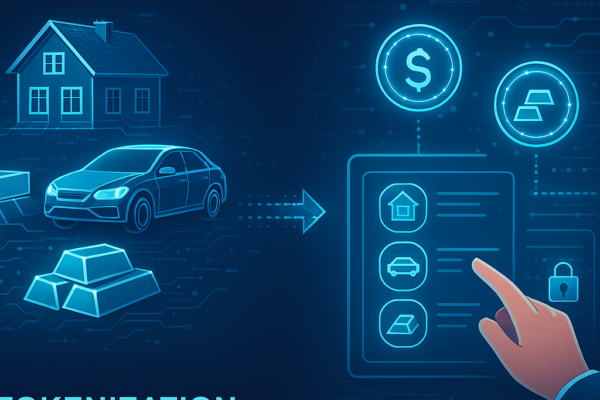
Real-World Asset Tokenization Explained: What It Is and How It Works
Tokenization converts real-world assets like property and art into digital tokens on a blockchain. Learn how it works, its benefits, real-life use cases, and key challenges.

Tokenization converts real-world assets like property and art into digital tokens on a blockchain. Learn how it works, its benefits, real-life use cases, and key challenges.
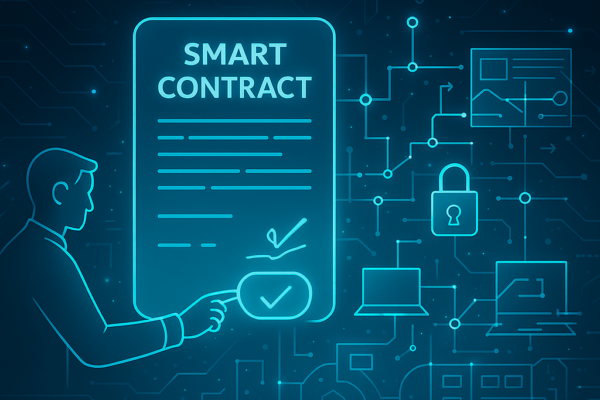
Smart contracts are self-executing digital agreements stored on blockchain. Learn how they work, where they are used, and what advantages and limitations they carry.

AR and VR are reshaping how engineers design, prototype, and collaborate. From virtual prototyping to remote teamwork in the metaverse, these tools are changing engineering workflows.
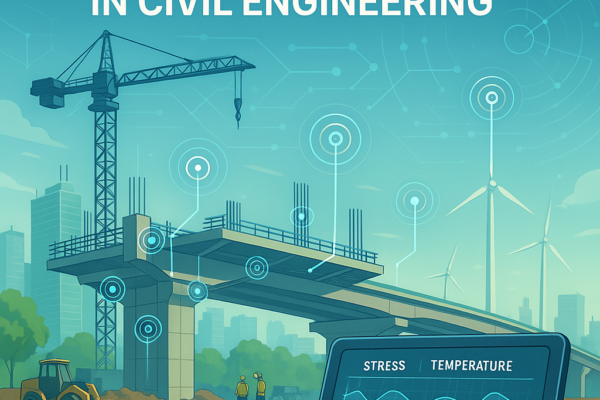
IoT sensors are changing civil engineering by enabling real-time monitoring of bridges, tunnels, and buildings. Learn how they improve safety, maintenance, and project planning.

Carbon-neutral infrastructure is reshaping how cities are built. From Masdar City to Oslo and Singapore, explore the technologies, challenges, and real-world examples driving this global shift.

Digital twins are virtual replicas of real-world systems that help engineers test, monitor, and improve designs without physical risk. Here is how they are changing industries.

Smartwatches and fitness trackers can monitor your sleep stages, detect health issues, and build better routines — but they can also cause anxiety and disrupt your rest.
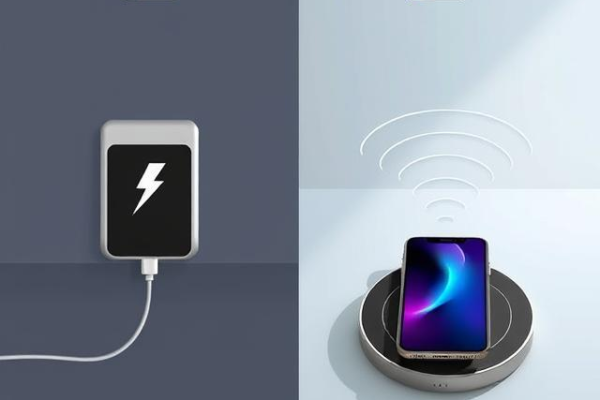
Fast charging and wireless charging both have clear strengths. Compare speed, convenience, battery health impact, and efficiency to find the best option for your smartphone.
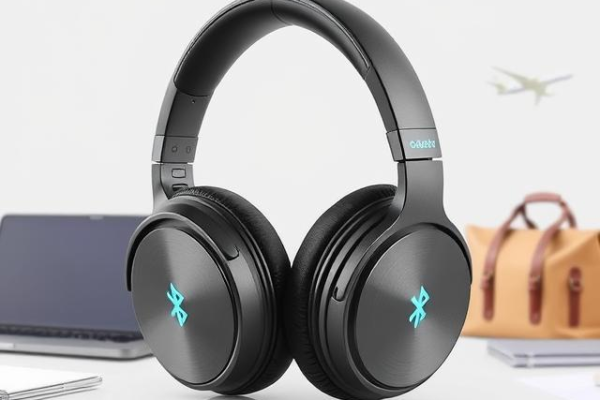
Find the best Bluetooth headphones for work and travel in 2024. We compare Sony, Bose, Apple AirPods Max, Sennheiser, and Jabra to help you choose the right pair.
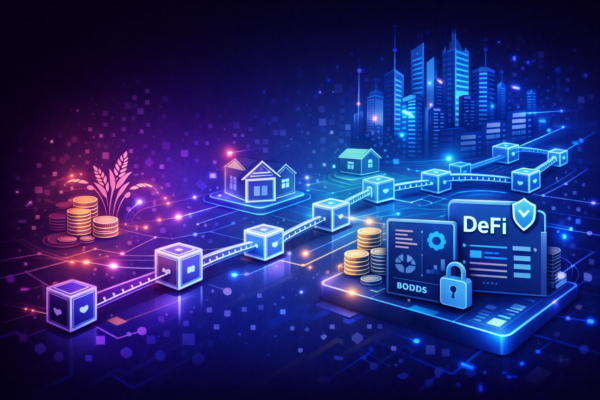
DeFi in 2026 has moved far beyond yield farming. From real-world asset tokenization to cross-chain systems and institutional adoption, here is how decentralized finance is maturing.