
Decentralized Finance, widely known as DeFi, has come a long way since its early days of high-risk yield farming. By 2026, the ecosystem has matured into something far more practical, secure, and accessible. The focus has shifted from chasing short-term rewards to building real financial tools that people can use every day.
What Is DeFi and Why Does It Matter?
DeFi is a financial system built on blockchain technology. It lets people access services like lending, borrowing, and trading without banks or middlemen. Smart contracts handle everything automatically, making transactions transparent and open to anyone with an internet connection.
Unlike traditional banking, DeFi does not require identity verification, credit scores, or branch visits. Anyone with a crypto wallet can participate. This openness is what made DeFi attractive from the start — and it remains its biggest strength.
How Yield Farming Shaped Early DeFi
Yield farming was one of the first major trends in DeFi. Users locked their cryptocurrency into platforms in exchange for high rewards. This attracted billions of dollars in liquidity and brought DeFi into mainstream conversations.
However, yield farming had serious problems:
- Rewards were often unsustainable and collapsed quickly
- Smart contract bugs led to major financial losses
- The complexity scared away everyday users
- Many platforms were built purely for speculation, not real utility
By 2024 and 2025, the DeFi community began rethinking its approach. The result is a more grounded and responsible ecosystem heading into 2026.
Key Trends Shaping DeFi in 2026
The DeFi space in 2026 is defined by several important shifts that move it closer to mainstream finance while keeping its decentralized core.
Real-World Assets on the Blockchain
One of the biggest changes is the tokenization of real-world assets. Physical assets like property, government bonds, and commodities are now being converted into digital tokens on the blockchain. This allows users to invest in traditional financial instruments through DeFi platforms, bridging the gap between crypto and conventional markets.
Cross-Chain Compatibility
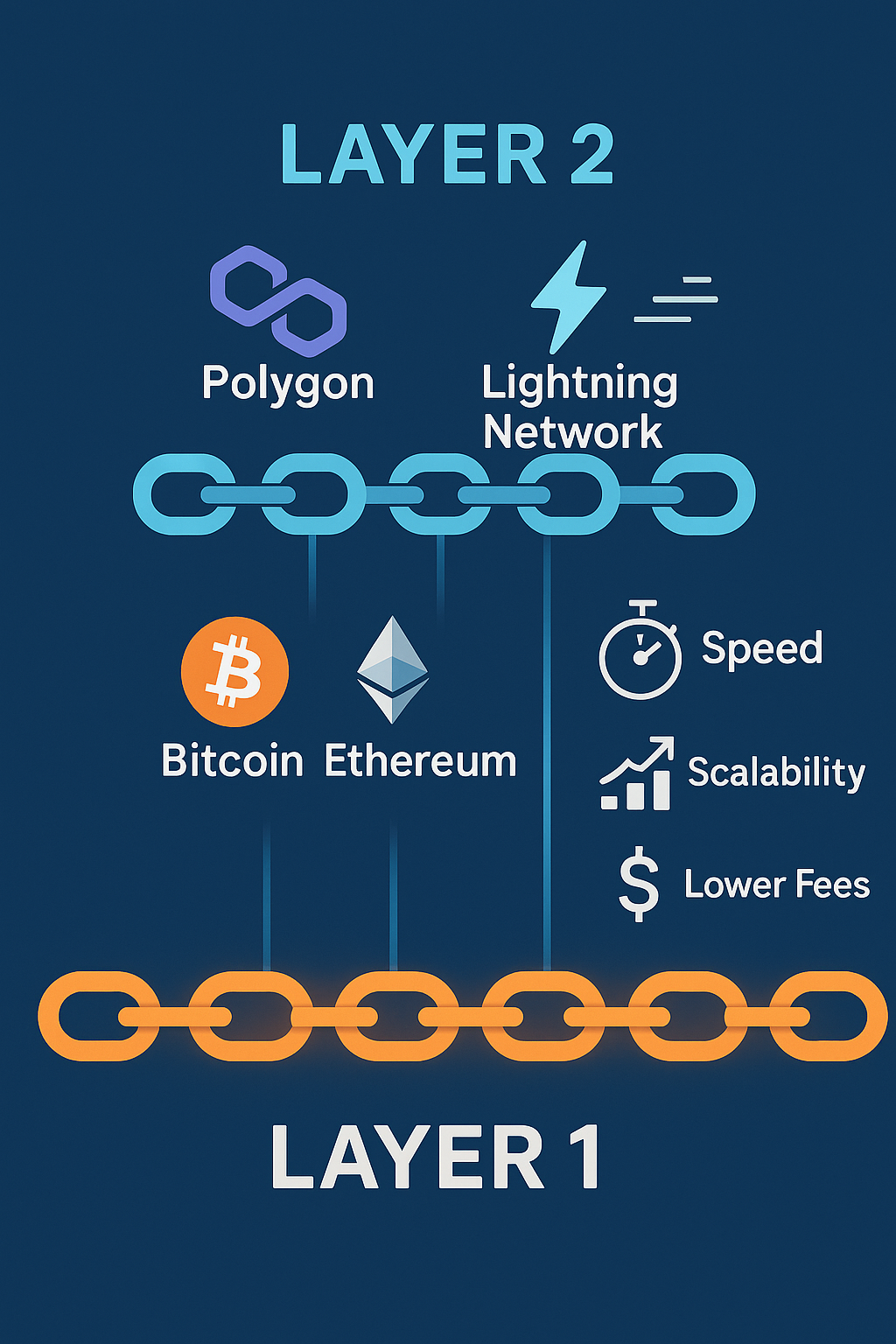
Early DeFi platforms were limited to single blockchains like Ethereum. In 2026, DeFi systems work across multiple blockchains. This cross-chain approach allows assets to move freely between networks, which improves transaction speed, lowers fees, and increases overall liquidity.
Institutional Participation
Large financial institutions and corporations are entering DeFi. They prefer platforms that meet security standards and comply with regulatory guidelines. This institutional interest adds credibility to the space and helps DeFi grow beyond retail investors.
AI-Powered Tools
Artificial intelligence is playing a growing role in DeFi. AI tools are being used for risk analysis, fraud detection, and automated portfolio management. This combination of blockchain and AI improves efficiency and reduces costly human errors.
Security and Regulation: Two Pillars of Mature DeFi
Security has become a top priority across the DeFi ecosystem. Platforms are now investing heavily in:
- Regular smart contract audits by independent firms
- On-chain insurance products to protect user funds
- Real-time risk monitoring and alert systems
- Bug bounty programs to identify vulnerabilities early
At the same time, DeFi platforms are adapting to global financial regulations. Governments across the world are creating clearer rules for crypto and DeFi. Platforms are finding ways to stay decentralized while meeting legal requirements — a balance that is critical for long-term survival and growth.
| Feature | Early DeFi (2020–2022) | DeFi in 2026 |
|---|---|---|
| Primary Focus | Yield farming and speculation | Real-world utility and sustainability |
| User Base | Crypto-native users | Retail and institutional investors |
| Security | Frequent hacks and exploits | Audits, insurance, and monitoring |
| Blockchain Support | Single-chain platforms | Cross-chain ecosystems |
| Regulation | Largely unregulated | Adapting to global compliance |
Better User Experience Is Driving Adoption
One major barrier to DeFi adoption has always been complexity. Seed phrases, gas fees, and confusing dashboards kept many people away. In 2026, this is changing fast.
Wallets and DeFi platforms are now designed with simple, clean interfaces. Beginners can access lending, staking, and trading without needing deep technical knowledge. Mobile-first design and one-click transactions are becoming standard across leading platforms.
This focus on usability is critical. For DeFi to truly compete with traditional banking, it must be as easy to use as a regular banking app.
The combination of better design, stronger security, and real financial products is what positions DeFi as a genuine alternative to conventional finance — not just a speculative playground.
DeFi in 2026 is no longer just about earning the highest possible returns on crypto. It is about building a fair, open, and functional financial system that works for everyone. With real-world asset integration, cross-chain infrastructure, institutional trust, and smarter tools, DeFi is maturing into something that could reshape how the world manages money. Yield farming started the conversation — but what comes next is far more significant.