
Open-source software has moved well beyond its roots as a developer-side project. Today, it sits at the core of how large enterprises build, scale, and secure their digital operations. From cloud infrastructure to machine learning, open-source tools are now foundational to modern business strategy — not just a budget-friendly alternative.
What Is Open-Source Software and Why Does It Matter for Enterprises?
Open-source software (OSS) is software whose source code is publicly available. Anyone can inspect it, modify it, and distribute it. This openness gives enterprises a level of control and flexibility that proprietary software simply cannot match.
Unlike closed systems where you depend entirely on a vendor’s roadmap, open-source tools let companies:
- Inspect the full codebase for security and quality
- Customize features to match specific business needs
- Integrate deeply with internal systems and workflows
- Contribute improvements back to the wider developer community
Some of the most widely used enterprise technologies today are open source. These include Linux-based operating systems, Kubernetes for container orchestration, PostgreSQL databases, Apache web servers, and TensorFlow for machine learning. Together, they power cloud computing, DevOps pipelines, cybersecurity tools, and AI development at scale.
Key Reasons Enterprises Are Choosing Open Source
The shift toward open-source adoption in large organizations is driven by several practical advantages:
- Faster innovation cycles: Open-source ecosystems move quickly. Enterprises can adopt new features and improvements without waiting for a proprietary vendor to release an update.
- Cost efficiency: While OSS is not entirely free — there are implementation and maintenance costs — it eliminates expensive licensing fees that can run into millions of dollars annually.
- Flexibility and customization: Companies can shape the software to fit their exact requirements rather than bending their workflows to fit a rigid product.
- Strong community support: Large global developer communities continuously test, patch, and improve open-source tools. Vulnerabilities are often identified and fixed faster than in closed systems.
Open Source Across Key Enterprise Domains
Open-source software is no longer limited to IT infrastructure. It now plays a critical role across multiple business functions:
| Domain | Role of Open Source | Key Examples |
|---|---|---|
| Cloud and Infrastructure | Container orchestration, distributed databases | Kubernetes, Linux |
| AI and Machine Learning | Research acceleration, commercial deployment | TensorFlow, PyTorch |
| Cybersecurity | Continuous auditing, transparency | OpenSSL, Snort |
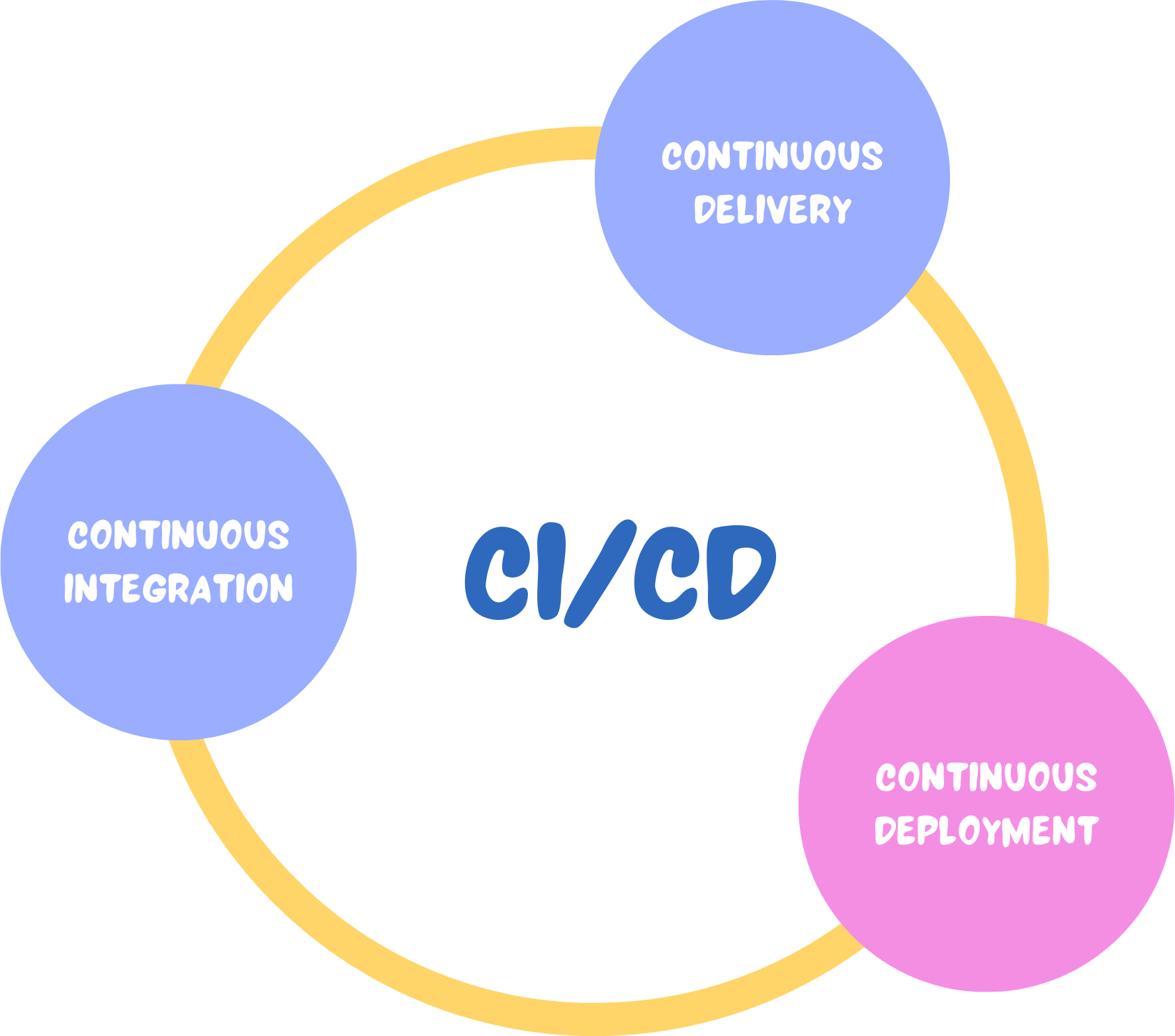
| DevOps and Automation | CI/CD pipelines, configuration management | Jenkins, Ansible, Prometheus |
Cloud-native tools, AI frameworks, and security platforms are predominantly open source — making OSS adoption a business necessity rather than a technical preference.
Challenges Enterprises Must Manage Carefully
Open-source adoption brings real benefits, but it also comes with risks that require active governance. Enterprises that ignore these challenges often face serious operational and legal problems.
- Security risks: Vulnerabilities in open-source dependencies can create supply chain risks. A single compromised library can affect hundreds of enterprise applications.
- Compliance and licensing: Different open-source licenses — including MIT, GPL, and Apache — carry different legal obligations. Using the wrong license without understanding its terms can expose a company to legal liability.
- Maintenance responsibility: Unlike proprietary software with vendor support, enterprises must allocate internal expertise to manage updates, patches, and long-term support.
- Fragmentation: Adopting too many open-source tools without a clear strategy can lead to integration complexity and operational overhead.
To address these challenges, many large enterprises are setting up Open Source Program Offices (OSPOs). These dedicated teams manage OSS governance, track license compliance, and coordinate contributions to upstream projects.
Building a Structured Enterprise Open-Source Strategy
Forward-thinking organizations are treating open source as a strategic asset, not just a technical choice. A mature enterprise open-source strategy typically includes:
- Maintaining an approved OSS catalog for internal use
- Running automated dependency scanning to catch vulnerabilities early
- Contributing upstream to critical open-source projects
- Investing in open-source governance frameworks
- Partnering with commercial open-source vendors for enterprise-grade support
Major corporations also contribute to open-source projects to influence technical direction, attract developer talent, build brand credibility, and improve interoperability with partner systems. Open collaboration has become a genuine competitive differentiator.
Beyond technology, open-source principles promote a culture of transparency, rapid experimentation, and merit-based contribution. Enterprises that embrace this culture internally often see stronger innovation outcomes across teams.
What the Future Holds for Enterprise Open Source
The role of open source in enterprise technology will only grow. Key trends to watch include:
- Greater enterprise contributions to AI and automation frameworks
- Stronger focus on open-source supply chain security
- Hybrid models that blend open-source cores with commercial support layers
- Industry-specific open-source platforms for finance, healthcare, and manufacturing
- Government-backed open-source initiatives driving public sector digital transformation
Open source is already shaping digital infrastructure across sectors. As enterprises deepen their investment and governance capabilities, its influence will only expand.
Organizations that approach open source thoughtfully — balancing flexibility with strong governance — are better positioned for faster development cycles, greater security transparency, and long-term competitive advantage.
Frequently Asked Questions
Open-source software is software whose source code is publicly available for anyone to inspect, modify, and distribute. Unlike proprietary software, which is controlled entirely by a vendor, OSS gives enterprises the freedom to customize features, audit code for security, and integrate tools deeply with their own systems.
The main risks include security vulnerabilities in open-source dependencies that can create supply chain threats, licensing compliance issues with licenses like GPL or MIT, the need for internal expertise to manage maintenance and updates, and integration complexity when too many tools are adopted without a clear governance strategy.
An Open Source Program Office, or OSPO, is a dedicated team within an enterprise that manages open-source governance. It tracks license compliance, oversees security scanning of dependencies, coordinates contributions to upstream projects, and ensures that OSS adoption aligns with business and legal requirements.