Ethereum is the world’s most widely used blockchain for decentralized applications, but it has long struggled with high transaction fees and slow speeds during peak demand. Layer Two networks have emerged as the most practical answer to this problem — and they are rapidly changing how developers, investors, and everyday users interact with blockchain technology.
What Are Ethereum Layer Two Networks?
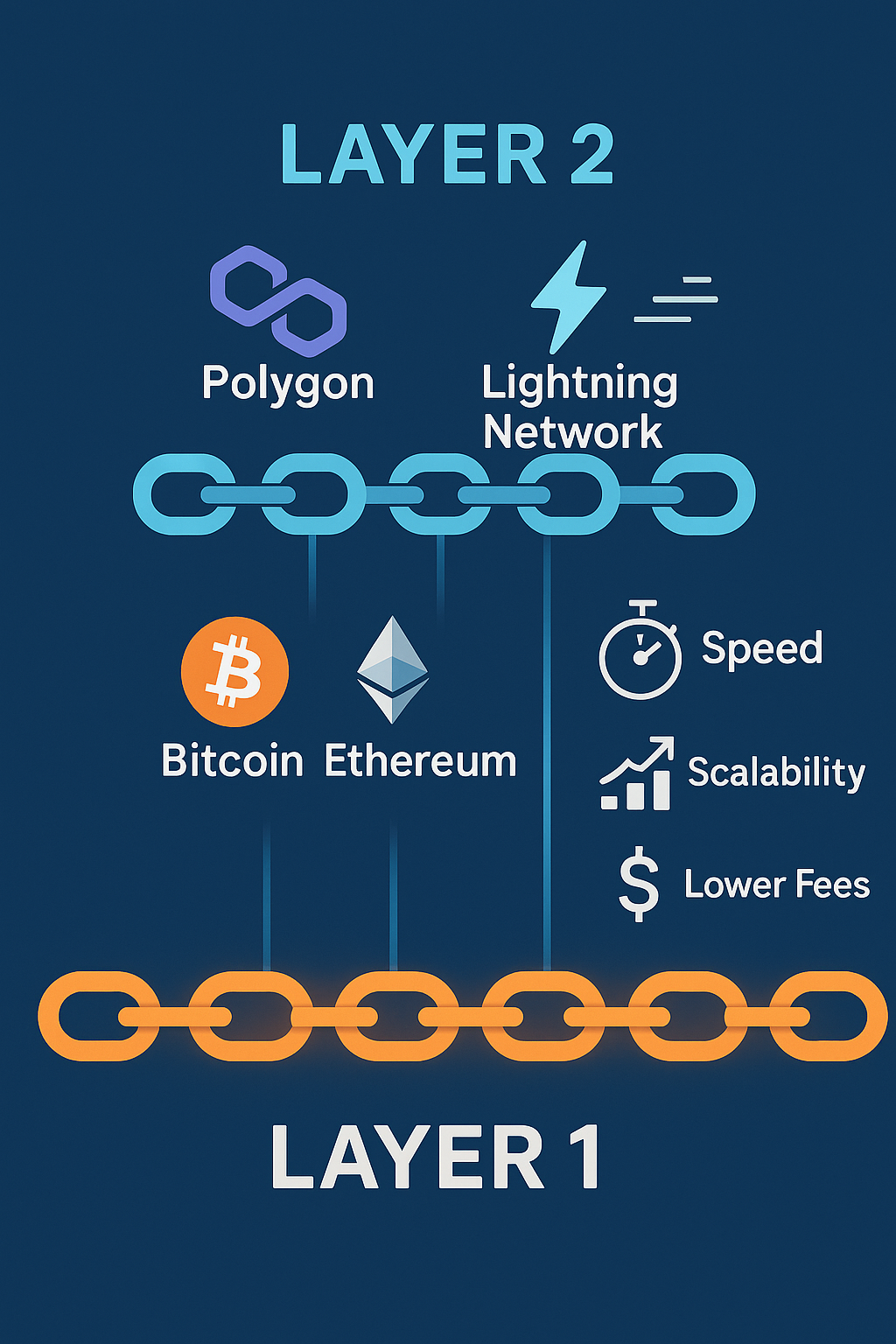
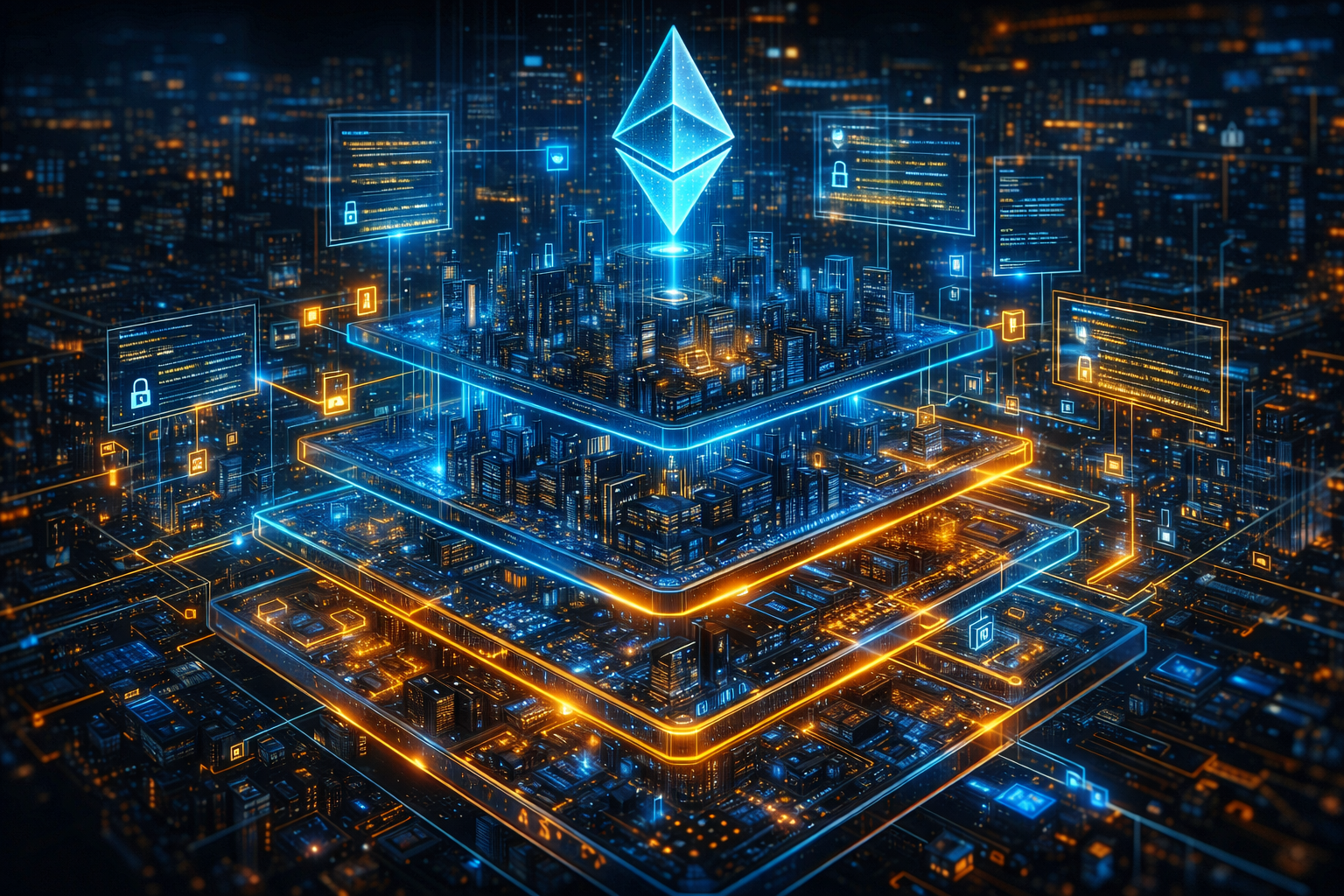
Layer Two networks are secondary protocols built on top of the main Ethereum blockchain. Rather than processing every transaction directly on Ethereum’s main chain, these networks handle transactions off-chain and then settle the final results back on Ethereum.
This approach reduces the load on the main network significantly. The most widely used Layer Two networks today include:
- Arbitrum — one of the largest Layer Two networks by total value locked
- Optimism — known for its developer-friendly environment and growing ecosystem
- Polygon — widely adopted for gaming, NFTs, and enterprise use cases
Each of these networks uses a different technical approach, but they all share the same core goal: making Ethereum transactions faster and more affordable without giving up security.
Why Ethereum Needed a Scaling Solution
Ethereum hosts thousands of decentralized applications, including major DeFi platforms and NFT marketplaces. As user activity grew, the network faced serious bottlenecks. During periods of high demand, users regularly experienced:
- Extremely high gas fees that made small transactions uneconomical
- Slow confirmation times that frustrated users and developers
- Network congestion that blocked access to time-sensitive financial operations
These issues created real barriers for smaller investors, independent developers, and users in emerging markets. Layer Two networks address this by bundling multiple transactions together and processing them more efficiently before settling the final state on Ethereum’s main chain.
Lower Fees and Faster Transactions Open New Possibilities
The most immediate benefit of Layer Two solutions is the dramatic reduction in transaction costs. Operations that cost significant amounts in Ethereum gas fees can often be completed at a fraction of the price on a Layer Two network.
This cost reduction opens the door to use cases that were previously impractical on Ethereum’s main chain:
- Micro-transactions for content creators and tipping platforms
- Blockchain-based gaming with real-time in-game transactions
- Affordable NFT minting and trading for independent artists
- Everyday blockchain payments for goods and services
Lower fees also encourage more experimentation. Developers can test new ideas without worrying that high costs will drive users away before a product matures.
Security Remains Intact on Layer Two
One of the most common concerns about scaling solutions is whether they compromise security. Layer Two networks are designed to avoid this trade-off. They post transaction data or cryptographic proofs back to the Ethereum main chain, which means the underlying security of Ethereum still protects users.
This hybrid model delivers three key advantages:
- Improved performance — faster transaction throughput without overloading the main chain
- Strong security guarantees — backed by Ethereum’s proven consensus mechanism
- Full compatibility — developers can use existing Ethereum tools, wallets, and smart contracts
This compatibility is a major reason why developers are choosing to build on Layer Two rather than migrating to entirely different blockchains.
Impact on DeFi, NFTs, and Blockchain Gaming
Layer Two networks are directly accelerating growth across three of blockchain’s most active sectors.
In decentralized finance, platforms benefit from faster trade execution, lower liquidity costs, and higher user participation. Traders can move funds and execute strategies without worrying about gas fees eating into their returns.
In the NFT space, more affordable minting and trading fees allow artists and creators to reach wider audiences. Collectors can buy and sell digital assets without paying fees that sometimes exceeded the value of the NFT itself on the main chain.
In blockchain gaming, fast and low-cost transactions are essential. Games that require hundreds of micro-transactions per session simply cannot function on a congested main chain. Layer Two networks make real-time blockchain gaming viable for the first time.
| Network | Primary Use Case | Key Strength |
|---|---|---|
| Arbitrum | DeFi, Trading | High TVL, strong liquidity |
| Optimism | Developer Apps | Developer ecosystem, governance |
| Polygon | Gaming, NFTs, Enterprise | Wide adoption, enterprise partnerships |
Challenges That Still Need to Be Solved
Despite strong momentum, Layer Two ecosystems are not without their challenges. The biggest issues facing the space today include:
- Liquidity fragmentation — assets spread across multiple Layer Two networks can reduce efficiency and create arbitrage gaps
- Bridging risks — moving assets between Ethereum and Layer Two networks through bridges has been a source of security vulnerabilities in the past
- User experience complexity — switching between networks, managing multiple wallets, and understanding bridging steps remains confusing for new users
- Competition from alternative blockchains — networks like Solana and Avalanche offer their own speed and cost advantages, competing directly for developers and users
Improving interoperability between Layer Two networks and simplifying the user experience will be critical steps toward mainstream adoption.
What the Future Looks Like for Scalable Blockchain
The growth of Ethereum Layer Two networks points toward a broader shift in how blockchain infrastructure will be used. As adoption increases and technology matures, the ecosystem could see:
- Smooth cross-chain transactions without complex bridging steps
- Unified liquidity systems that connect multiple Layer Two networks
- Enterprise-scale blockchain applications built on Layer Two infrastructure
- Mass-market Web3 platforms serving hundreds of millions of users
Scaling is not optional if blockchain is to serve a global user base. Layer Two networks are actively building the infrastructure that makes that future possible.
Ethereum Layer Two networks are reshaping how blockchain operates at a fundamental level. By reducing fees, increasing transaction speed, and preserving Ethereum’s security model, they address the core limitations that have held back wider adoption. As more developers, users, and institutions move to these networks, Layer Two is set to become the primary environment for decentralized applications — and a critical foundation for the next phase of blockchain growth.