
Some of the world’s most powerful technologies are built in public, by thousands of contributors who never meet in person. Open-source software has grown from a niche developer movement into the very backbone of modern digital infrastructure — and its influence is only getting stronger.
What Is Open-Source Software?
Open-source software (OSS) is code that is publicly accessible, modifiable, and freely distributable. Anyone — from independent developers to large corporations — can inspect the code, suggest improvements, and contribute to the project.
Key characteristics that define open-source software include:
- Transparent codebases — anyone can read and audit the code
- Community-driven development — improvements come from contributors worldwide
- Flexible licensing models — ranging from MIT to GPL, depending on the project
- Rapid innovation cycles — community testing speeds up feature development
Projects like Linux, Kubernetes, and Apache HTTP Server now power billions of devices and services across the globe. OSS encourages collaboration across companies, universities, and individual developers in ways that proprietary software simply cannot match.
Why Open-Source Dominates Modern Infrastructure
There are four core reasons why open-source has become the default choice for building modern technology infrastructure:
- Global Collaboration: Thousands of developers contribute to major projects, accelerating security patches and feature improvements at a pace no single company can replicate.
- Faster Innovation: Shared code and community testing mean features evolve quickly compared to closed, proprietary systems.
- Security Through Transparency: Open code allows vulnerabilities to be spotted and fixed faster — often by contributors from around the world who have a stake in keeping the software secure.
- Cost Efficiency: Organizations reduce licensing fees while retaining full flexibility to customize the software for their specific needs.
Enterprise Adoption Is Growing Rapidly
Open-source is no longer just for startups or individual developers. Major corporations now actively invest in open-source ecosystems as a core part of their business strategy.
Companies like Red Hat and Canonical have built enterprise-grade solutions on top of open technologies, offering commercial support and services around freely available software. Even the world’s largest tech companies contribute heavily to open-source foundations to maintain ecosystem leadership and accelerate shared innovation.
| Aspect | Open-Source Software | Proprietary Software |
|---|---|---|
| Cost | Free to use and modify | Licensing fees apply |
| Transparency | Fully visible codebase | Closed, restricted access |
| Security | Community-audited | Vendor-controlled patches |
| Customization | Highly flexible | Limited by vendor |
Challenges That Open-Source Still Faces
Despite its many advantages, open-source software is not without its difficulties. Businesses and developers who rely on OSS need to be aware of the following challenges:
- Funding sustainability: Many critical open-source projects are maintained by volunteers or small teams with limited financial support.
- Governance conflicts: Disagreements within communities can slow decision-making or lead to project forks.
- Security risks: Poorly maintained or abandoned projects can introduce vulnerabilities into the software supply chain.
- Licensing complexities: Mixing different open-source licenses in a single project can create legal complications for businesses.
Responsible dependency management and regular security audits are essential for any organization that builds on open-source foundations.
Where Open-Source Is Headed Next
The scope of open-source is expanding well beyond traditional software development. Today, open ecosystems are making their mark in several fast-growing areas:
- Artificial intelligence frameworks — tools like TensorFlow and PyTorch are open-source at their core
- Cloud-native tools — Kubernetes and related projects are defining how modern applications are deployed
- Blockchain infrastructure — many blockchain protocols are built on open, permissionless codebases
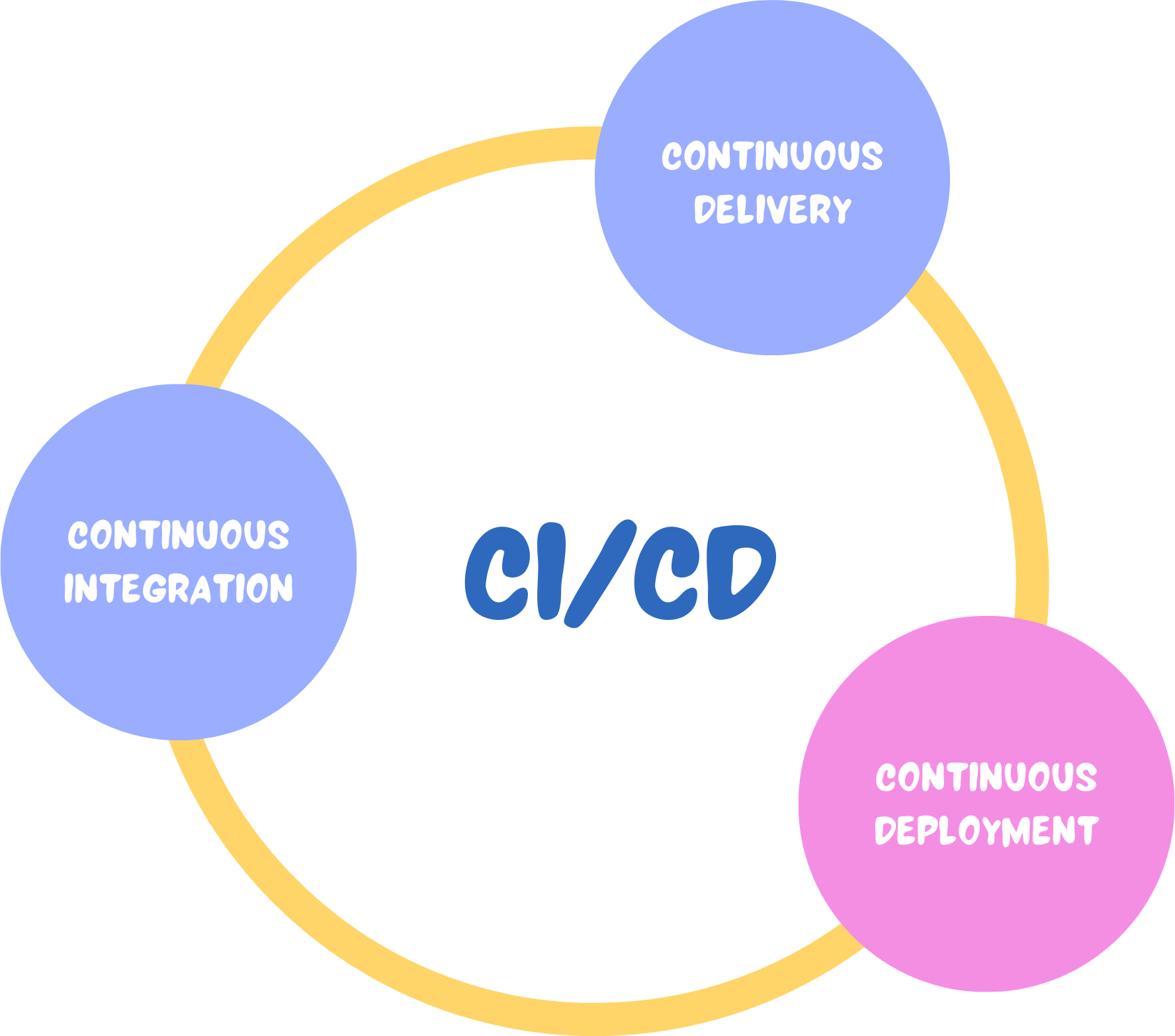
- Developer productivity platforms — from code editors to CI/CD pipelines, open tools are the standard
As collaboration models mature and more organizations recognize the strategic value of contributing to shared ecosystems, open-source will continue to drive technological progress on a global scale.
The future of software is not locked behind closed doors. It is being built in public, by communities that believe shared progress benefits everyone. Open-source software has already reshaped the technology landscape — and the next wave of innovation will be built on the same open foundation.