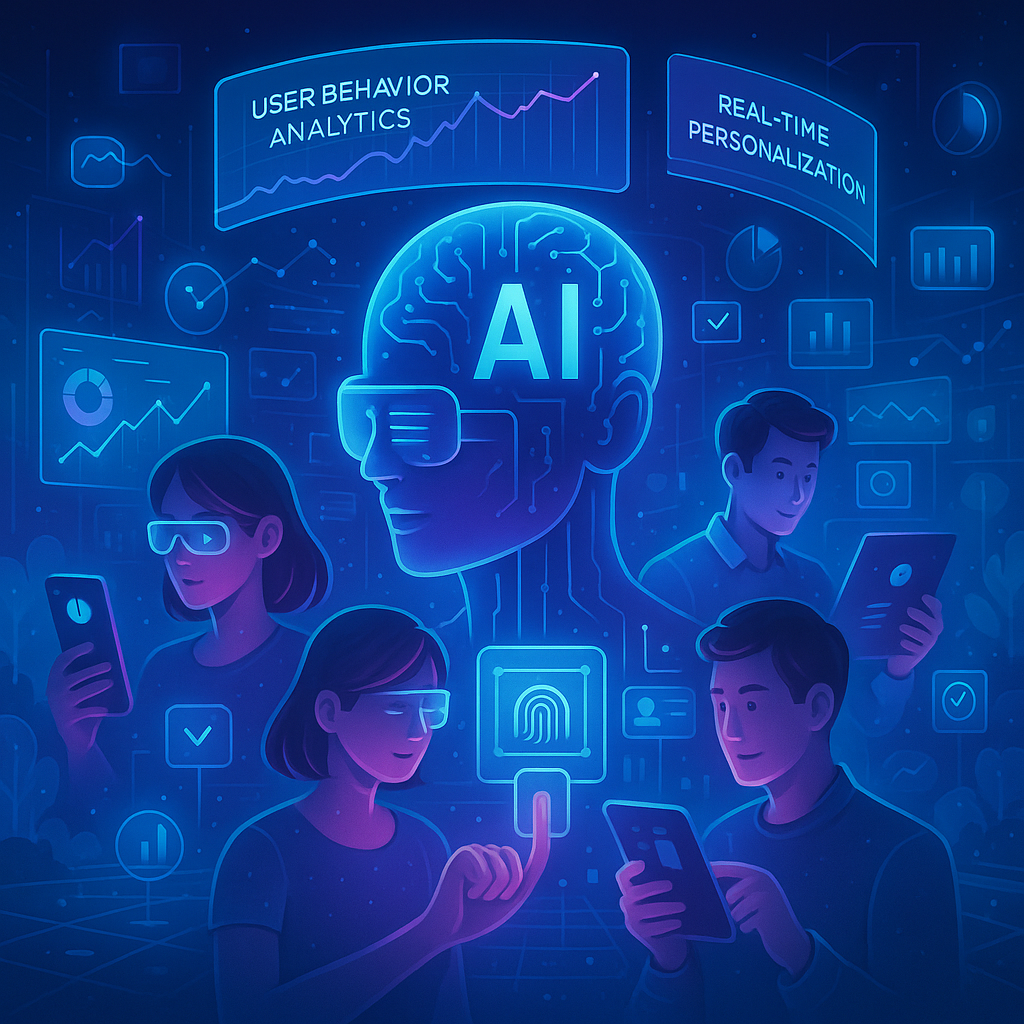
Modern apps and websites are no longer one-size-fits-all. Thanks to the combination of artificial intelligence and user behavior data, software today can adapt to each person in real time — making digital experiences feel genuinely personal. From Netflix recommendations to fitness app coaching, hyper-personalization is quietly reshaping how we interact with technology every day.
What Hyper-Personalization Actually Means
Hyper-personalization goes far beyond greeting you by name or remembering your last purchase. It means the software actively changes based on your actions, preferences, and habits — often without you even noticing.
Imagine opening an app that:
- Shows content you actually want to see
- Recommends products or features you are likely to need next
- Adjusts its layout or design based on how you use it
This is not a future concept. It is already happening across shopping platforms, streaming services, learning apps, and health tools. The experience is built around you, not a generic user profile.
How AI Learns From the Way You Use Software
Artificial intelligence powers this personalization by continuously learning from user interactions. It does this by:
- Observing how you navigate through an app
- Identifying patterns in your behavior over time
- Predicting what you are likely to do or need next
- Adjusting your experience based on those predictions
Netflix is a well-known example — it studies your viewing habits and suggests shows you are likely to enjoy. Spotify goes a step further by recommending playlists based on your mood or the time of day you are listening.
The more you use a product, the smarter it gets at serving you. This is the core promise of AI-driven personalization.
What Is User Behavior Data and Why Does It Matter
User behavior data is the information collected when you interact with an app or website. This includes:
- Pages you visit and how long you stay on them
- Buttons you tap or click
- Features you use most or ignore entirely
- What you search for within the app
- The times of day you are most active
This data gives software a detailed picture of your habits and preferences. When combined with AI, it allows apps to improve your experience continuously — without requiring you to manually set preferences.
Here is a quick comparison of traditional personalization versus hyper-personalization:
| Traditional Personalization | Hyper-Personalization |
|---|---|
| Uses your name in emails | Adapts content in real time based on behavior |
| Remembers past purchases | Predicts what you will need before you search |
| Static user segments | Individual-level dynamic experience |
| Occasional updates | Continuous learning and adjustment |
Real-World Examples Across Industries
Hyper-personalization is already active across several sectors:
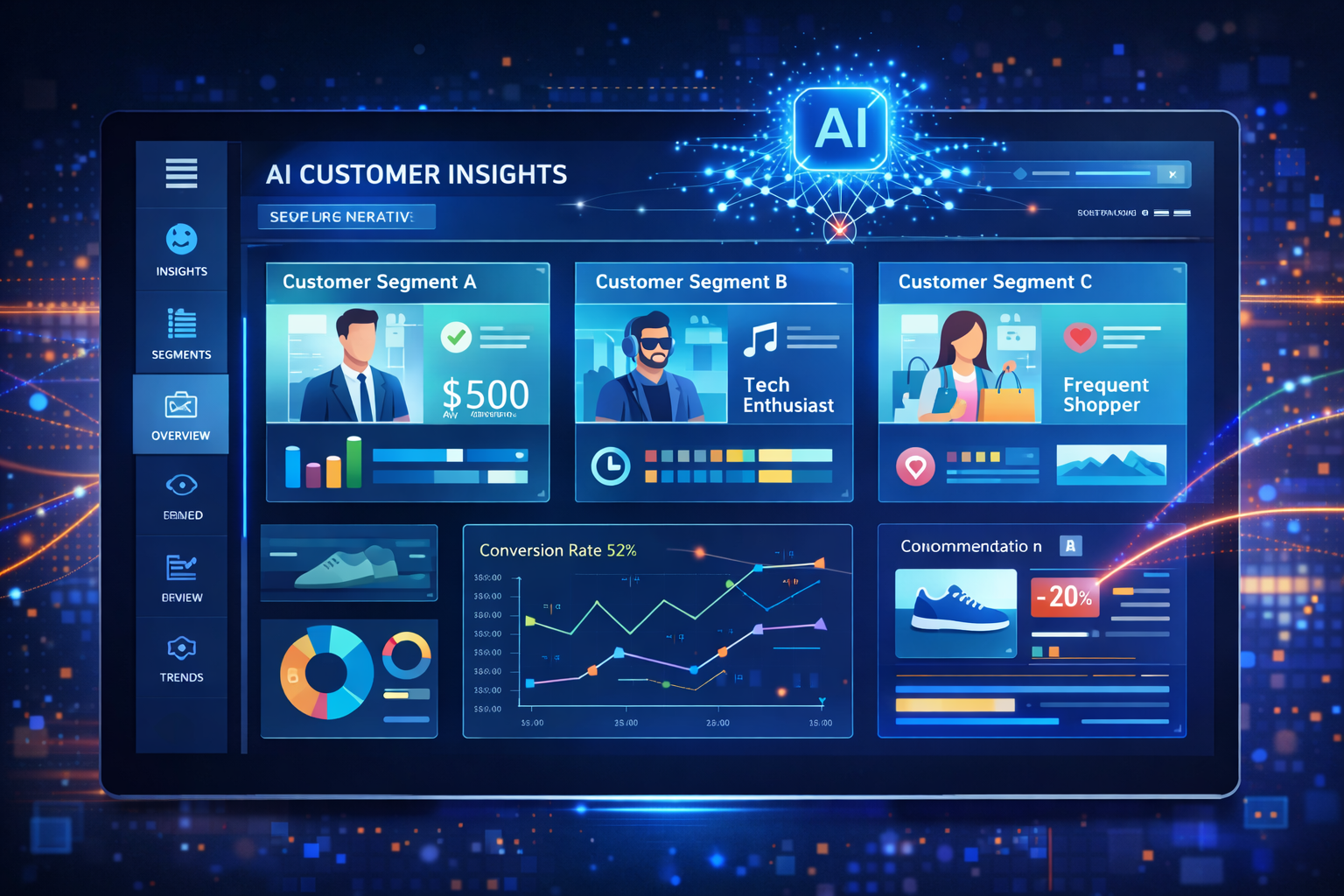
- Online Shopping: Platforms like Amazon show product recommendations based on your browsing and purchase history. Homepages change dynamically, and discount offers are tailored to individual users.
- Online Learning: Platforms such as Coursera or Duolingo recommend courses based on your progress, adjust lesson difficulty to your learning pace, and send reminders that match your study schedule.
- Health and Fitness Apps: Apps like Fitbit or MyFitnessPal create workout plans based on your daily routine, track goals aligned with your personal targets, and offer encouragement based on your activity patterns.
- Streaming Services: Netflix, Spotify, and YouTube all use behavioral data to keep users engaged with content that matches their tastes.
Privacy Concerns and Responsible Data Use
Personalization depends on data — and that raises important privacy questions. Users have a right to know what is being collected and how it is being used.
Responsible apps and platforms should:
- Ask for clear permission before collecting behavioral data
- Allow users to view and adjust their privacy settings
- Follow data protection laws such as GDPR in Europe and CCPA in California
When personalization feels helpful rather than intrusive, users trust the product more. Transparency is not just a legal requirement — it is good product design. Companies that handle data responsibly tend to build stronger, longer-lasting relationships with their users.
What the Future of Personalized Software Looks Like
The next wave of hyper-personalized software will go even further. Expect to see:
- Emotion-aware interfaces that detect your tone or mood and respond accordingly
- Real-time adaptive apps that change their layout and features as you use them
- Cross-device continuity where your experience stays consistent across mobile, desktop, and wearables
Software is moving away from being a passive tool. In the near future, your apps will feel more like a personal assistant that understands your context, anticipates your needs, and responds in ways that feel natural.
For businesses, this means investing in behavioral analytics and smart personalization engines is no longer optional — it is becoming a core part of building products that users actually want to keep using.
Hyper-personalization, when built with user trust at its center, has the potential to make digital experiences genuinely better for everyone. The technology is already here. How companies choose to use it will define the next era of software design.