The European Securities and Markets Authority (ESMA) has issued a clear warning to investors across Europe about tokenised stocks — a fast-growing product in the blockchain and crypto space. While these digital tokens may look like a smart way to invest in companies like Apple or Tesla, ESMA says they are fundamentally different from real shares and carry serious risks that many investors do not fully understand.
What Are Tokenised Stocks?
Tokenised stocks are digital tokens built on a blockchain that track the price of real company shares. If Tesla stock trades at $250, a Tesla token will be priced close to that same value. They are issued by private platforms and can be bought or sold using a crypto wallet.
On the surface, they offer some attractive features:
- Fractional investing: You can buy a small portion of an expensive stock without needing the full share price.
- 24/7 trading: Unlike traditional stock markets, tokenised stocks can be traded at any time of day or night.
- Global access: Anyone with a crypto wallet can participate, regardless of their location.
- Lower transaction costs: Blockchain-based transfers can be faster and cheaper than traditional brokerage transactions.
These benefits have made tokenised stocks popular among retail investors, especially those already active in the crypto space. But ESMA’s warning highlights a critical gap between what investors expect and what they actually get.
Key Risks ESMA Has Highlighted
ESMA’s core concern is that tokenised stocks can mislead investors into thinking they own actual company shares. That misunderstanding can lead to significant financial and legal consequences. Here are the main risks the authority has identified:
- No real ownership: Holding a tokenised stock does not make you a shareholder. You have no voting rights, no claim to dividends, and no legal protections that come with owning actual equity.
- Investor confusion: Many buyers genuinely believe tokens are equivalent to real shares. This misunderstanding is one of ESMA’s biggest concerns.
- Regulatory grey zone: Tokenised stocks do not clearly fall under existing EU securities laws. This means investor protections are limited or absent if something goes wrong.
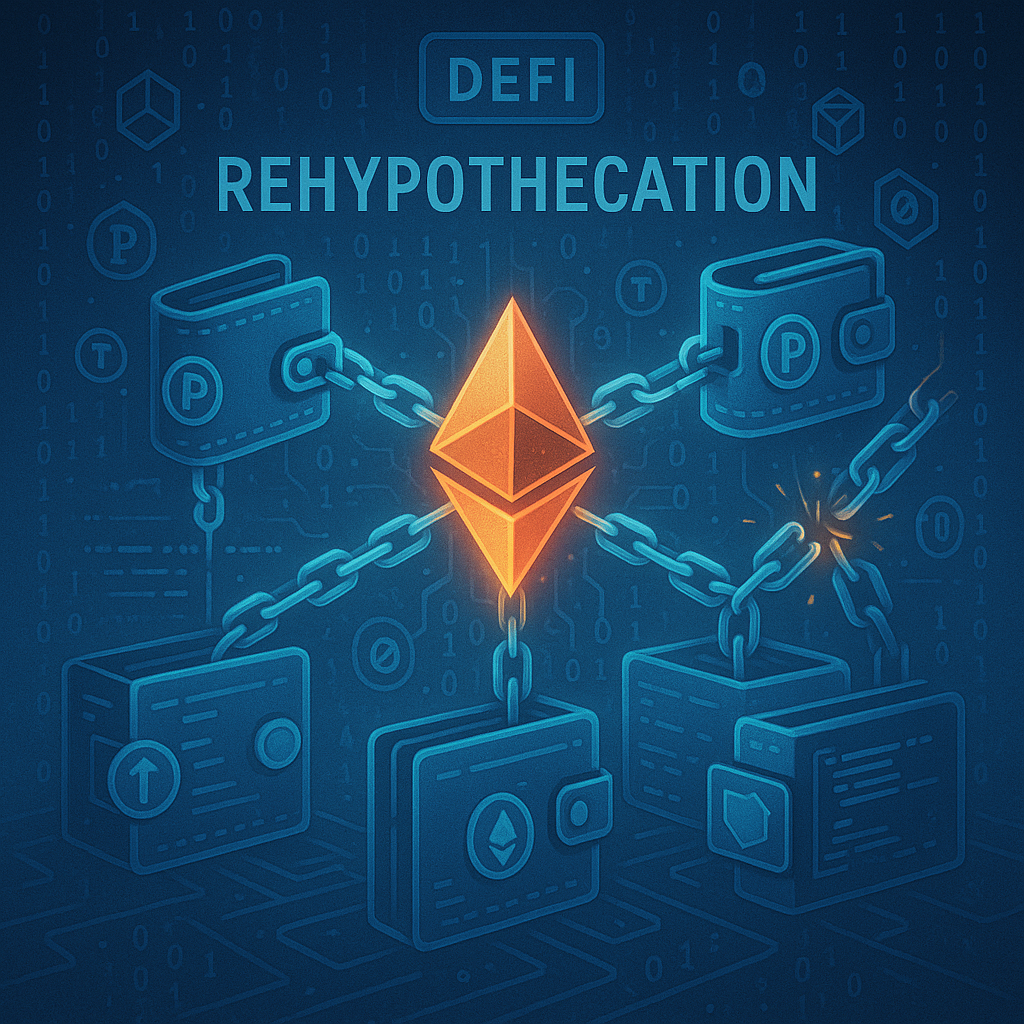
- Platform risk: These tokens are issued by private, often unregulated companies. If the issuing platform shuts down or goes bankrupt, the tokens could become worthless with no legal recourse for investors.
| Feature | Real Stocks | Tokenised Stocks |
|---|---|---|
| Ownership Rights | Yes | No |
| Voting Rights | Yes | No |
| Dividend Eligibility | Yes | No |
| Regulatory Protection | Strong (EU securities law) | Weak or unclear |
| Trading Hours | Market hours only | 24/7 |
Why Asset Tokenisation Still Matters
Despite these risks, tokenised stocks are part of a broader movement known as asset tokenisation — the process of converting real-world assets such as stocks, real estate, or art into digital tokens on a blockchain. This trend has the potential to make investing more accessible to people around the world, particularly those who lack access to traditional financial markets.
Supporters argue that with the right regulatory framework, tokenised assets could bring genuine benefits to global investors. However, ESMA’s position is clear: without strong and enforceable rules, these products can cause real harm to retail investors who do not fully understand what they are buying.
What Investors Should Do Before Buying Tokenised Stocks
If you are considering investing in tokenised stocks, ESMA’s warning should prompt careful thought. Here are practical steps to protect yourself:
- Check the platform’s credentials: Is the issuing platform licensed or regulated by a recognised financial authority?
- Understand what you are buying: A token is not a share. Know the difference before committing any money.
- Diversify your investments: Avoid putting a large portion of your savings into high-risk or unregulated assets.
- Stay updated on regulations: EU rules around tokenised assets are likely to change. Keep an eye on updates from ESMA and other regulatory bodies.
- Only invest what you can afford to lose: Given the platform risks and regulatory uncertainty, treat tokenised stocks as a high-risk investment.
Tokenised stocks represent an interesting development in the world of digital finance, but ESMA’s warning is a timely reminder that innovation does not automatically mean safety. Investors should approach these products with caution, do thorough research, and never assume that a blockchain-based product carries the same protections as a traditional financial instrument. The regulatory landscape is still catching up, and until it does, the risks remain significant.