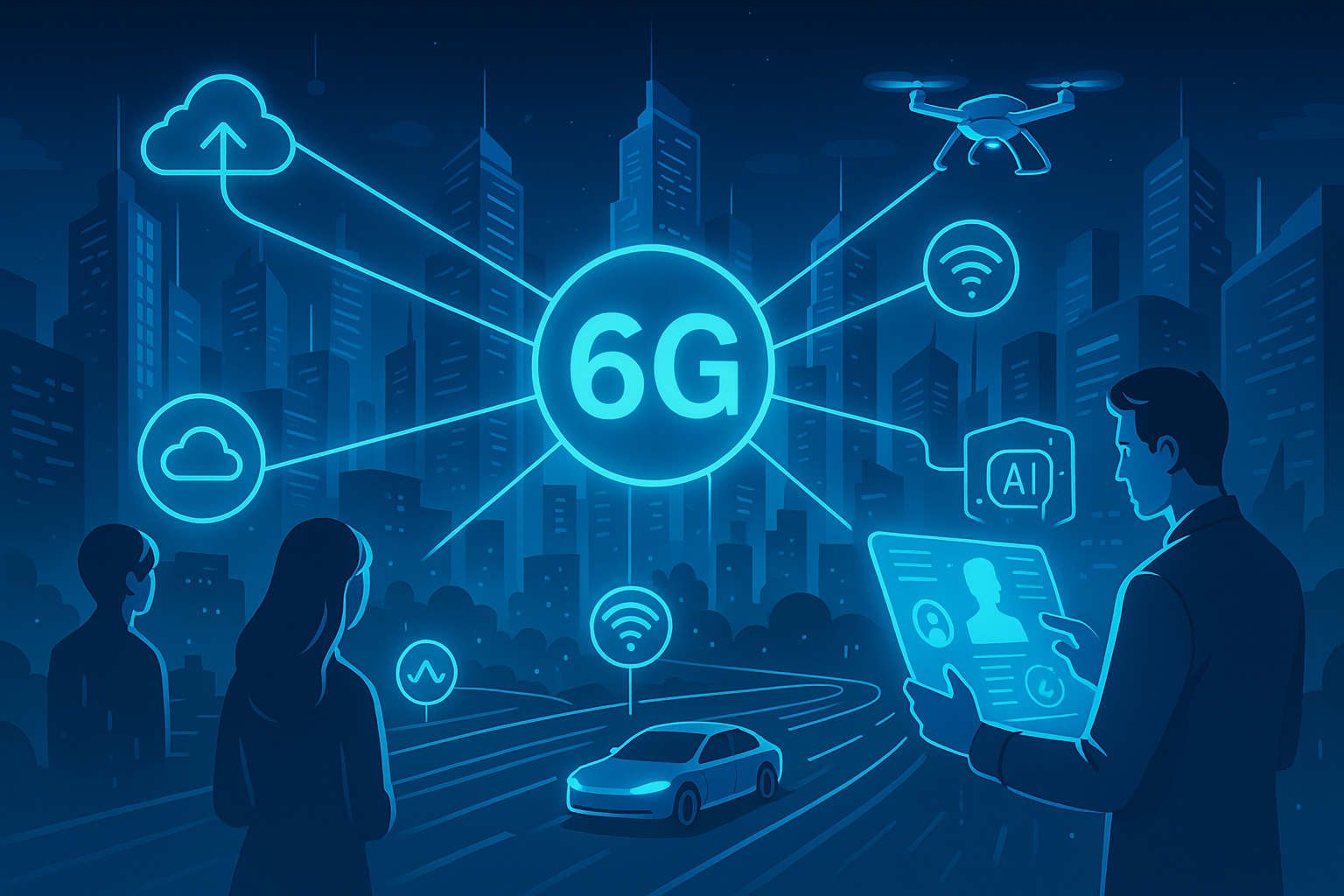
As our digital lives grow more demanding, the traditional cloud model is struggling to keep pace. Streaming high-definition video, running smart home devices, or operating autonomous vehicles all require near-instant data processing. Edge computing addresses this challenge by bringing data processing closer to where it is actually needed, reducing delays and improving overall performance.
What Is Edge Computing?
Edge computing is a distributed computing approach that processes data near its source rather than sending it to a distant cloud data centre. This could mean processing happening at a cell tower, a local server, or even within the device itself.
Instead of routing data thousands of kilometres away and waiting for a response, edge computing handles the work locally. The result is faster response times, reduced network congestion, and a better experience for end users.
Think of it as having a local expert on hand rather than calling a head office every time a decision needs to be made.
How Edge Computing Actually Works
A practical example makes this easier to understand. Consider a smart security camera installed at your home. With traditional cloud computing, the camera would send all recorded footage to a remote server for analysis. With edge computing, the camera processes the footage on-site or at a nearby server.
- It detects faces and motion in real time.
- It sends alerts instantly without waiting for a remote server.
- It reduces the volume of data sent over the internet.
This same principle applies to self-driving cars that need to react to road conditions in milliseconds, or medical devices that monitor patient vitals and flag emergencies without delay.
Key Benefits of Edge Computing
Edge computing offers several clear advantages over relying entirely on centralised cloud infrastructure:
- Lower Latency: Data is processed locally, which dramatically reduces response times. This is critical for applications like gaming, augmented reality, and virtual reality.
- Improved Security: Sensitive data does not need to travel across public networks, which lowers the risk of interception or data breaches.
- Efficient Bandwidth Use: By processing data at the source, edge computing reduces the volume of information sent to central servers, easing network congestion.
- Better IoT Performance: Internet of Things devices generate enormous amounts of data continuously. Edge computing helps manage this data locally, allowing smart devices to operate more efficiently.
| Feature | Cloud Computing | Edge Computing |
|---|---|---|
| Data Processing Location | Centralised data centres | Near the data source |
| Latency | Higher | Very low |
| Bandwidth Usage | High | Reduced |
| Security | Data travels over networks | Data stays local |
| Best For | Storage, large-scale analytics | Real-time applications, IoT |
Real-World Applications of Edge Computing
Edge computing is already being used across a wide range of industries:
- Smart Cities: Traffic signals, public safety cameras, and environmental monitoring systems use edge computing to respond to conditions in real time without depending on a central server.
- Industrial Automation: Manufacturing plants use edge computing to analyse sensor data instantly, enabling predictive maintenance and quality control on the factory floor.
- Autonomous Vehicles: Self-driving cars rely on edge computing to process road data and make split-second decisions without waiting for cloud responses.
- Retail: Stores use edge computing to personalise shopping experiences, manage inventory in real time, and run in-store augmented reality features.
- Healthcare: Hospitals and clinics use edge computing for remote patient monitoring, telemedicine consultations, and real-time analysis of health data during emergencies.
Challenges and Considerations
Edge computing is not without its difficulties. Organisations considering adoption should be aware of the following:
- Infrastructure Costs: Setting up edge servers and hardware at multiple locations requires significant upfront investment.
- Security Risks: A larger number of distributed devices creates more potential entry points for cyberattacks.
- Data Management Complexity: Coordinating and managing data across many edge locations can be technically challenging.
- Cloud Integration: Edge computing works best alongside cloud infrastructure, not as a replacement. Organisations need both to work together effectively.
Edge computing is not about replacing the cloud. It is about extending its capabilities to where data is actually being generated and used.
As more devices connect to networks and real-time responsiveness becomes a baseline expectation, edge computing is set to become a foundational part of how digital infrastructure is built. From smarter cities and safer roads to faster healthcare responses and more immersive digital experiences, the shift toward processing data at the edge is already well underway.