
Software development has changed dramatically over the past decade, but one challenge has remained constant — keeping applications secure without slowing down delivery. DevSecOps is the approach that addresses this challenge head-on by making security a shared responsibility across every stage of the software development lifecycle.
What Is DevSecOps?
DevSecOps stands for Development, Security, and Operations. It is a software development philosophy that integrates security practices directly into the development and operations workflow, rather than treating security as a separate phase that happens at the end.
In a traditional setup, security teams would review code only after developers had finished building a feature or product. This approach often led to last-minute vulnerabilities being discovered, causing costly delays and expensive fixes. DevSecOps changes that by making security a continuous part of the process from day one.
With DevSecOps, three groups — developers, security professionals, and operations teams — all share responsibility for building and maintaining secure software. The goal is to write secure code quickly while keeping innovation moving forward.
Why DevSecOps Matters for Modern Software Teams
For years, security was treated as an afterthought. Teams would build software, test it for functionality, and only then hand it off to a security team for review. This created several problems:
- Unexpected vulnerabilities discovered late in the process
- Project delays caused by security reviews holding up releases
- High repair costs from fixing security issues after deployment
- Blame culture between development and security teams
DevSecOps addresses all of these issues by weaving security checks into the daily development routine. Problems are caught early, when they are cheaper and easier to fix, and teams spend less time firefighting and more time building.
How DevSecOps Works in Practice
Implementing DevSecOps involves three core principles that guide how teams work together and how security is handled throughout the software lifecycle.
Security from the very start
Rather than waiting until a product is nearly finished, security considerations begin at the planning and design stage. Developers follow security best practices from the moment they write their first line of code, reducing the risk of vulnerabilities before they can grow into serious threats.
Automated security checks
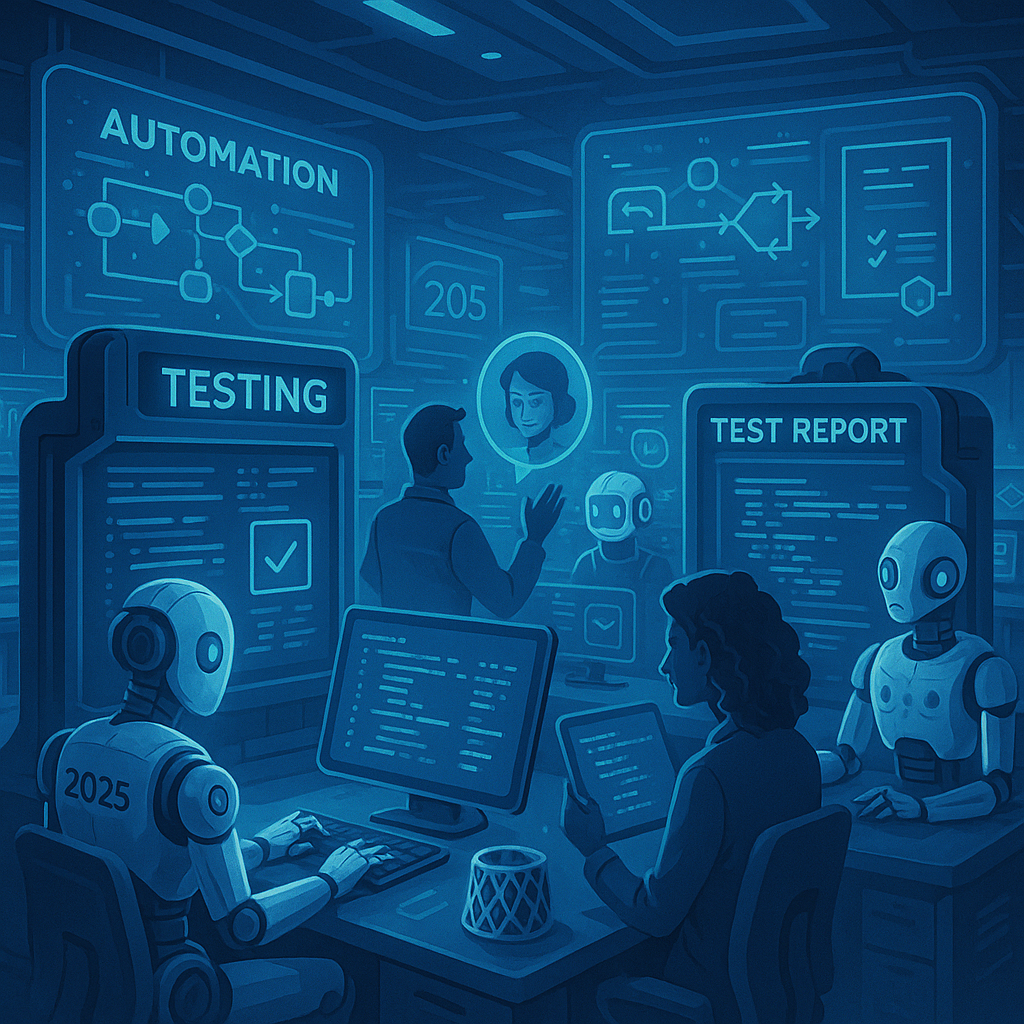
Security tools are built directly into the development pipeline. These tools run automatic scans to detect weaknesses, enforce security policies, and check for compliance with industry standards. Because these checks happen automatically and continuously, teams can identify and fix problems without stopping the development process.
Cross-team collaboration
DevSecOps breaks down the walls between developers, security experts, and operations professionals. Instead of working in isolation, these teams collaborate closely to build software that is both high-performing and secure. Shared responsibility means no single team carries the entire security burden alone.
Key Benefits of Adopting DevSecOps
Organisations that adopt DevSecOps practices see measurable improvements across several areas of software development and security management.
| Benefit | What It Means for Your Team |
|---|---|
| Early Problem Detection | Security weaknesses are found and fixed during development, not after deployment |
| Faster Delivery | Automated scans keep development moving without last-minute security bottlenecks |
| Stronger Security Posture | Continuous checks produce more secure applications that meet compliance requirements |
| Lower Costs | Fixing issues early is significantly cheaper than patching vulnerabilities post-release |
| Better Team Collaboration | Shared ownership reduces friction between development, security, and operations teams |
Is DevSecOps Right for Your Organisation?
DevSecOps is not just for large enterprises. Startups, mid-sized companies, and government organisations all benefit from embedding security into their development workflows. Any team that builds and deploys software regularly — whether web applications, mobile apps, or cloud-based services — can apply DevSecOps principles.
The shift does require a cultural change. Teams need to move away from the mindset that security is someone else’s problem. Training developers to think about security, investing in automated security tools, and encouraging open communication between teams are all essential steps in making DevSecOps work effectively.
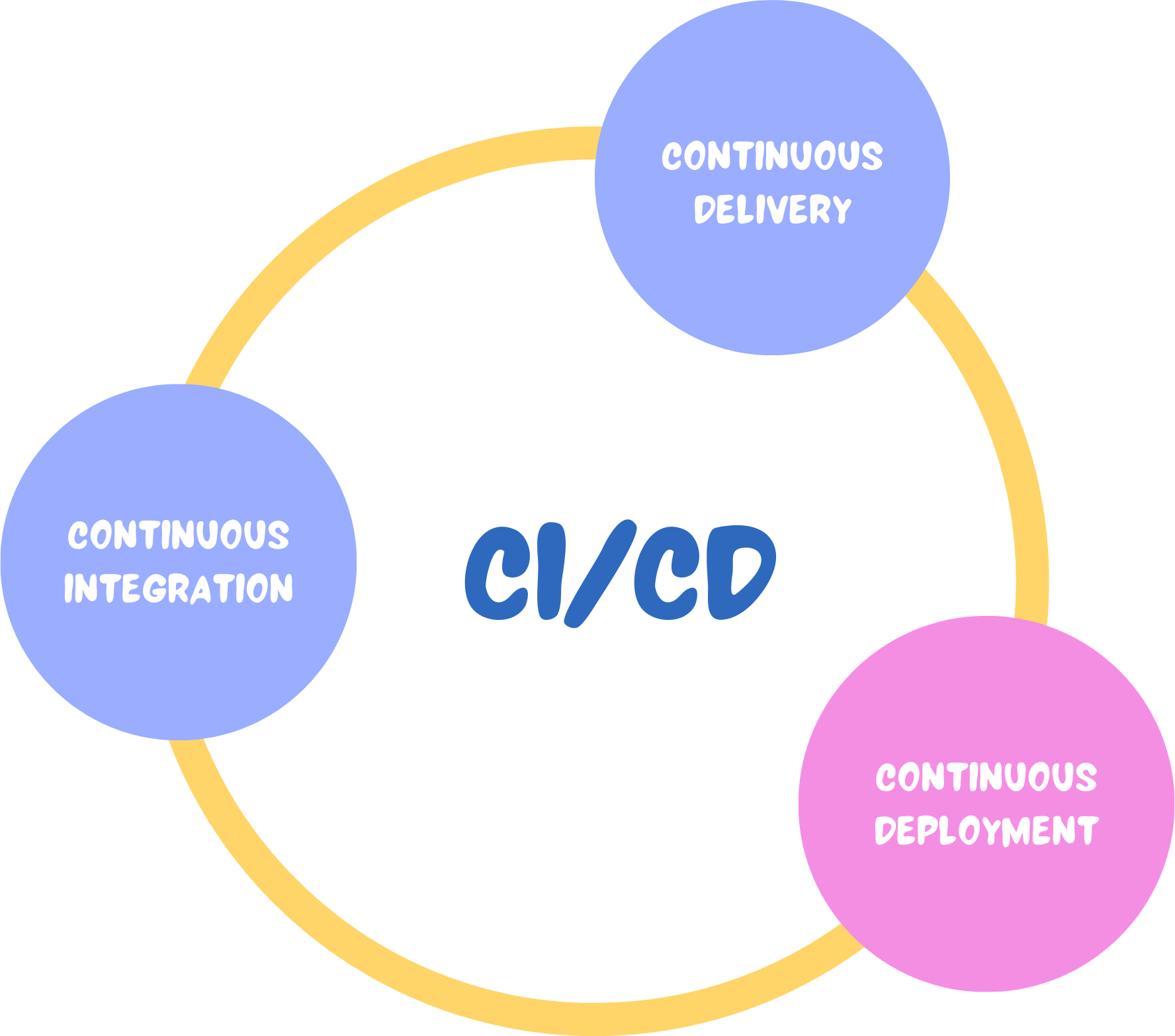
Common tools used in DevSecOps pipelines include static application security testing (SAST) tools, dynamic application security testing (DAST) tools, container security scanners, and dependency vulnerability checkers. These tools integrate with popular CI/CD platforms to provide continuous feedback throughout the development process.
By building security into every phase of software development, teams can deliver high-quality, secure applications without sacrificing speed or innovation. DevSecOps is not a one-time fix — it is an ongoing commitment to making security a natural part of how software gets built.