
Cryptocurrency has grown from a niche concept to a globally recognised financial phenomenon. Bitcoin, Ethereum, and hundreds of other digital currencies are now household names. Yet, despite all the buzz, most people still do not use crypto for everyday payments, savings, or business transactions. So what is holding back mass adoption? Here is a clear breakdown of the real barriers standing between crypto and mainstream use.
Lack of Awareness and Basic Understanding
One of the biggest obstacles is simply that most people do not understand how cryptocurrency works. Terms like blockchain, private keys, crypto wallets, and gas fees are confusing for anyone new to the space.
When a financial tool feels too technical or complicated, people naturally stay away. Without accessible education and plain-language guidance, crypto continues to feel risky and intimidating to first-time users. This knowledge gap is especially wide in developing regions where digital financial literacy is still growing.
Poor User Experience and High Risk of Mistakes
Using cryptocurrency is far more complex than sending money through a UPI app or logging into a bank account. Users must:
- Set up and secure a crypto wallet
- Store and protect recovery phrases carefully
- Understand wallet addresses before sending funds
- Pay attention to network fees before confirming transactions
A single error, such as sending funds to the wrong wallet address, can result in a permanent and irreversible loss of money. There is no customer helpline to call, no undo button, and no refund process. This unforgiving nature of crypto transactions keeps many cautious users away.
Price Volatility and Regulatory Uncertainty
Cryptocurrency prices are highly unstable. A coin worth a significant amount today can lose a large portion of its value within hours. This extreme volatility makes crypto unreliable as a medium for daily spending or long-term savings.
Adding to this problem is the unclear legal landscape around digital currencies. Different countries have taken very different positions:
| Country/Region | Crypto Regulation Status |
|---|---|
| United States | Regulated but evolving framework |
| India | Taxed but no clear legal tender status |
| China | Largely banned for trading and mining |
| El Salvador | Bitcoin accepted as legal tender |
| European Union | MiCA regulation introduced for oversight |
This patchwork of rules creates confusion for both users and businesses. Concerns about taxes, legal status, and potential future bans make many people hesitant to invest time or money into crypto.
Security Risks, Scams, and Limited Real-World Use
The crypto space has a serious security problem. Scams, phishing attacks, fake investment platforms, and exchange hacks are common. Many users have lost their entire holdings due to fraudulent schemes or simple security mistakes.
Since blockchain transactions are irreversible by design, recovering stolen or misdirected funds is nearly impossible. Unlike traditional banking, there is no fraud protection or dispute resolution system in most crypto setups.
Beyond security, there is also the issue of limited acceptance. Very few shops, service providers, or landlords accept cryptocurrency as payment. Most people still cannot use crypto to pay utility bills, buy groceries, or cover rent. This lack of real-world usability keeps crypto confined to the role of a speculative investment rather than a functional currency.
Technical Limitations and Environmental Impact
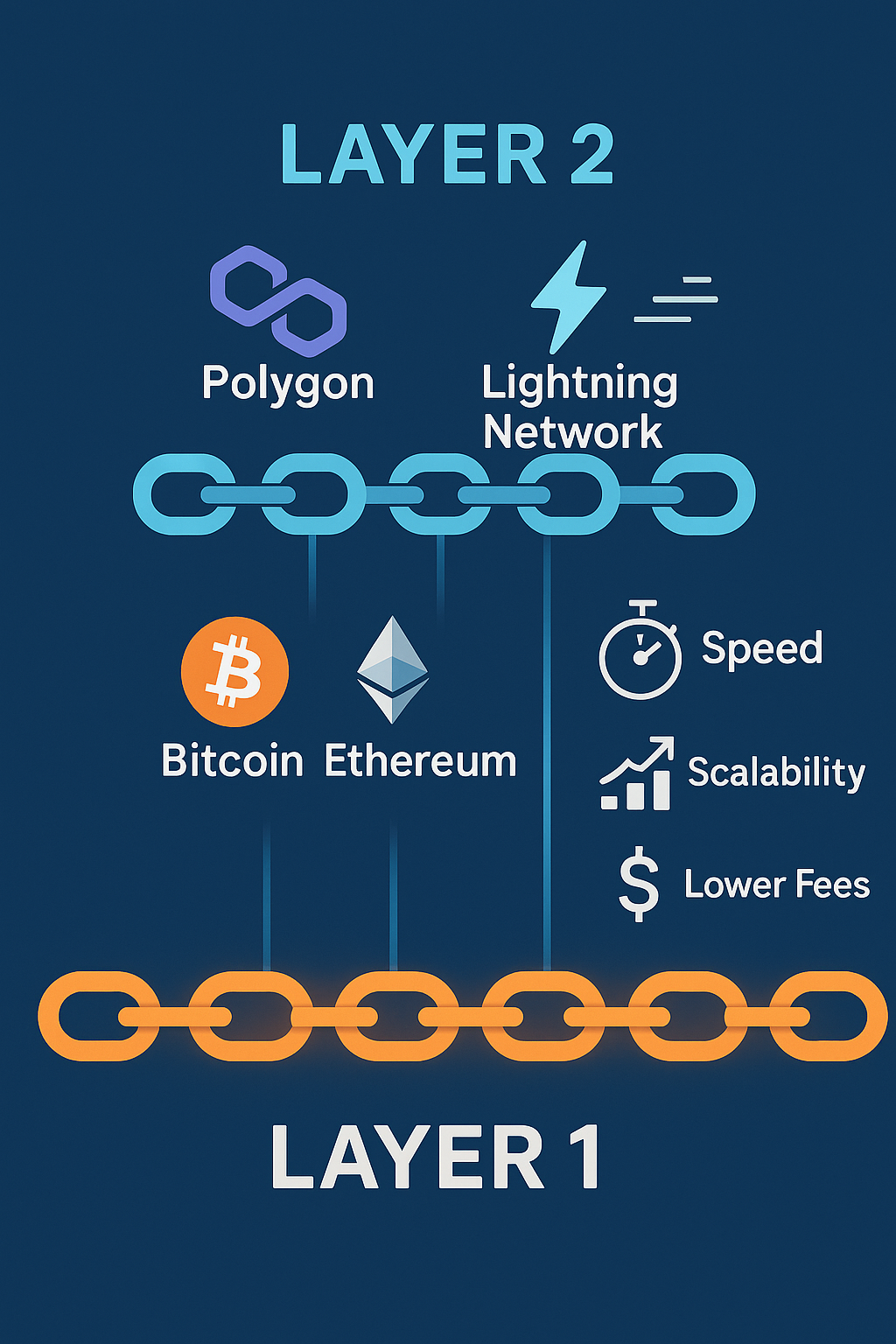
Some blockchain networks struggle with scalability. During periods of high activity, transaction speeds slow down significantly and fees spike. For a payment system to work in everyday life, it needs to be fast, cheap, and reliable — qualities that many current crypto networks still cannot consistently deliver.
There is also growing concern about the environmental cost of certain cryptocurrencies. Bitcoin mining, for example, consumes enormous amounts of electricity. This has drawn criticism from governments, environmental groups, and sustainability-focused investors. As climate awareness increases, the energy-intensive nature of proof-of-work cryptocurrencies becomes a bigger barrier to public and institutional support.
Traditional banks, on the other hand, offer customer support, fraud protection, and regulatory oversight. Crypto systems generally lack these safety nets, which makes many users — especially older or less tech-savvy individuals — uncomfortable making the switch.
Cryptocurrency holds genuine promise as a financial tool that can offer greater access, transparency, and control to users around the world. However, the path to mass adoption is still blocked by a combination of technical, educational, regulatory, and trust-related challenges. As blockchain technology matures, regulations become clearer, and user interfaces improve, these barriers may gradually come down. For now, understanding these obstacles is the first step toward addressing them — for developers, policymakers, and everyday users alike.