Blockchain technology is advancing at a rapid pace, touching everything from global trade and finance to personal data security. What once seemed like a niche concept tied only to cryptocurrency is now a foundational technology across multiple sectors. Here is a closer look at the most significant developments shaping blockchain today.
Blockchain Is Transforming Supply Chain Management
One of the most practical and impactful uses of blockchain has been in supply chain management. Tracking goods across borders has always been complex, but blockchain is making it faster, safer, and more transparent.
Companies like IBM and Maersk have developed blockchain-based platforms such as TradeLens, which allow businesses to monitor shipments in real time using tamper-proof, immutable records. Every step of a product’s journey — from manufacturing to delivery — is logged on the blockchain, making it nearly impossible to alter or falsify data.
- Reduces fraud and counterfeiting in global trade
- Improves transparency for buyers and regulators
- Speeds up customs and logistics processes
- Especially valuable in food safety and pharmaceutical supply chains
This level of accountability is building stronger trust between businesses and consumers, particularly in industries where product authenticity is critical.
Decentralized Finance (DeFi) Continues to Grow
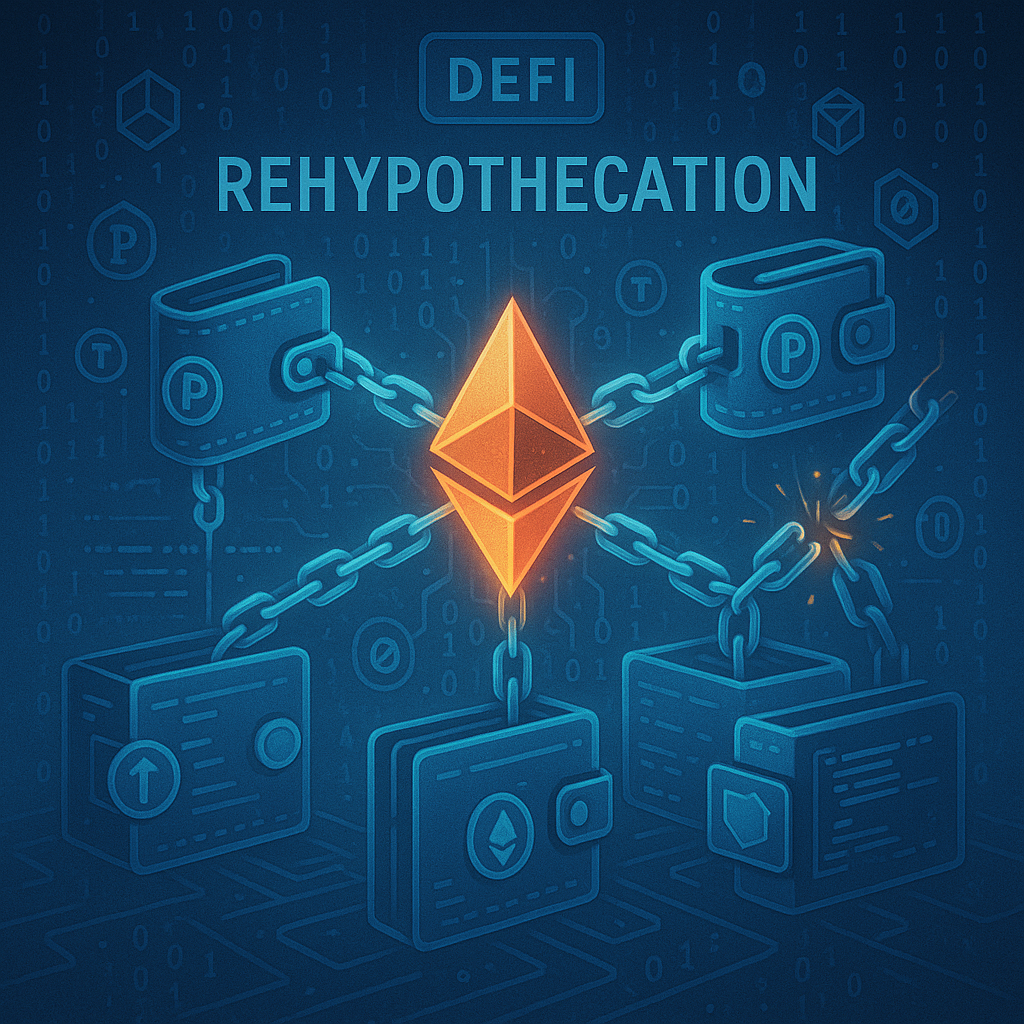
Decentralized Finance, widely known as DeFi, is reshaping how people access financial services. By removing the need for traditional banks, DeFi platforms allow users to lend, borrow, trade, and earn interest directly through blockchain-based applications.
Platforms like Uniswap and Aave have introduced features such as liquidity pools and automated market makers (AMMs), making financial tools more accessible to everyday users. Improved user interfaces and stronger security protocols are also helping reduce the risks of hacks and scams that previously held back DeFi adoption.
The real significance of DeFi lies in financial inclusion. Millions of people around the world who lack access to traditional banking services can now participate in a global financial system using only a smartphone and an internet connection. New use cases in DeFi are emerging regularly, signaling that this space is still in its early growth phase.
Scalability and Interoperability: Major Hurdles Being Solved
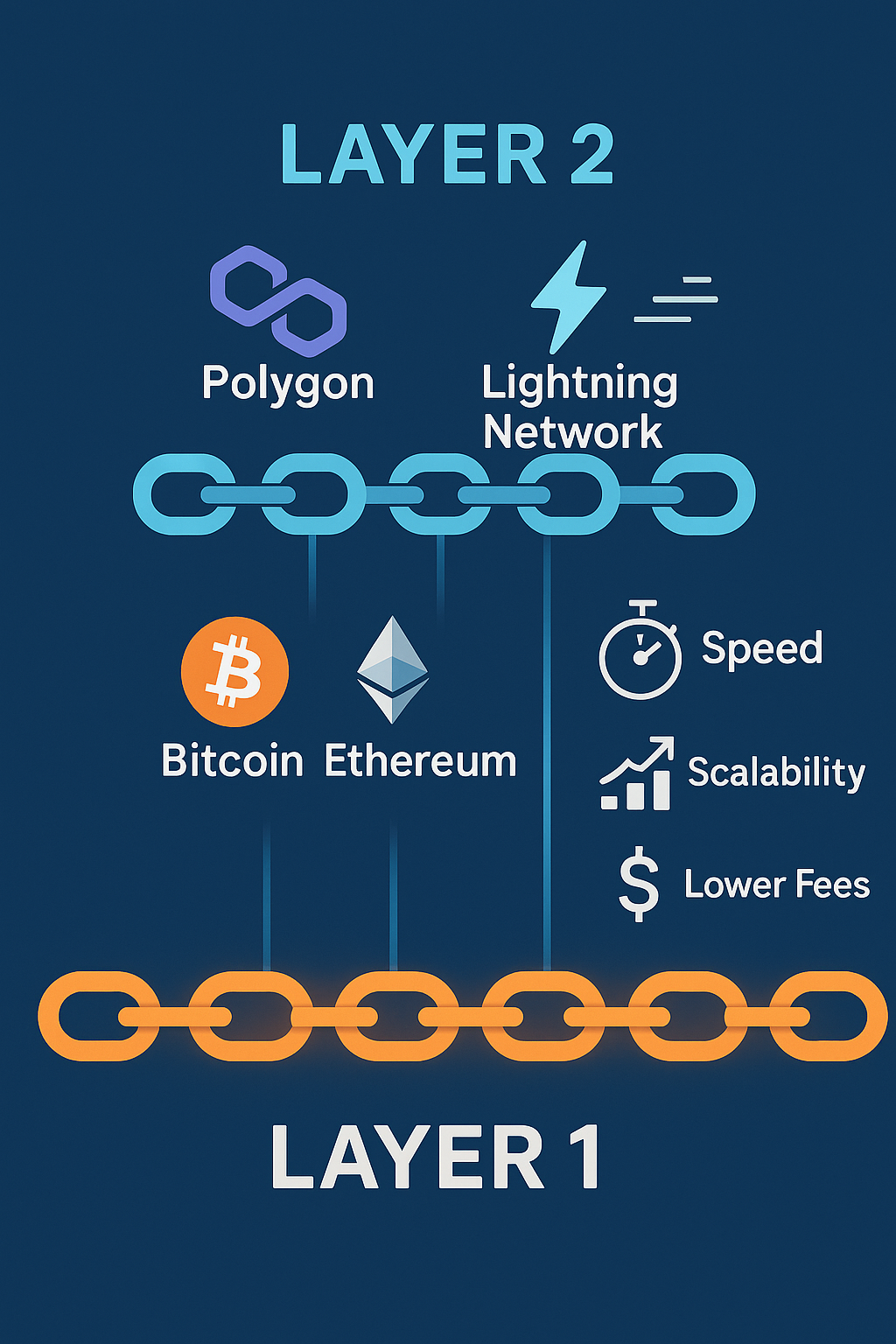
For years, two of the biggest challenges facing blockchain were scalability — the ability to handle large volumes of transactions — and interoperability — the ability of different blockchains to communicate with each other. Recent breakthroughs are addressing both.
| Challenge | Solution | Example |
|---|---|---|
| Slow transaction speeds | Layer 2 solutions (rollups, sidechains) | Ethereum Layer 2 |
| High energy consumption | Proof of Stake (PoS) consensus | Ethereum 2.0 |
| Isolated blockchain ecosystems | Interoperability protocols | Polkadot, Cosmos |
Ethereum’s transition to Proof of Stake (PoS) through Ethereum 2.0 is one of the most anticipated upgrades in blockchain history. It aims to dramatically improve transaction throughput while cutting energy usage. Meanwhile, protocols like Polkadot and Cosmos are enabling different blockchains to share data and assets, creating a more connected and collaborative ecosystem.
Blockchain Is Strengthening Digital Identity and Data Privacy
Data breaches and identity theft are growing concerns in the digital world. Blockchain offers a compelling solution by enabling users to control their own digital identities without relying on centralized databases that are vulnerable to attacks.
With blockchain-based identity management systems, individuals can store and share their personal information selectively — only with parties they trust. This approach significantly reduces the risk of unauthorized access and data misuse.
- Users own and control their personal data
- Reduces dependence on centralized identity providers
- Lowers the risk of large-scale data breaches
- Supports compliance with data protection regulations
As governments and organizations look for more secure ways to verify identities online, blockchain-based solutions are becoming increasingly relevant in sectors like healthcare, banking, and e-governance.
What Lies Ahead for Blockchain Technology
The trajectory of blockchain points toward wider adoption across industries including healthcare, real estate, education, and government services. As scalability improves and more user-friendly applications emerge, the barriers to entry for both businesses and individuals will continue to fall.
Blockchain’s ability to create transparent, secure, and decentralized systems makes it a strong candidate for solving some of the most persistent problems in data management, financial access, and supply chain integrity. The technology is still maturing, and many of its most impactful applications are likely yet to be built.
In conclusion, blockchain is no longer just a buzzword. It is a practical technology delivering real results across supply chains, finance, identity management, and beyond. As breakthroughs in scalability and interoperability continue, blockchain’s role in shaping the digital economy will only grow stronger in the years ahead.