Blockchain technology holds enormous potential, but for most everyday users, it has always felt slow and expensive. High gas fees and long wait times on networks like Ethereum have kept millions of people away from crypto. That is exactly where Layer 2 (L2) scaling solutions step in — making blockchain transactions faster, cheaper, and far more accessible in 2025.
What Is Layer 2 in Blockchain?
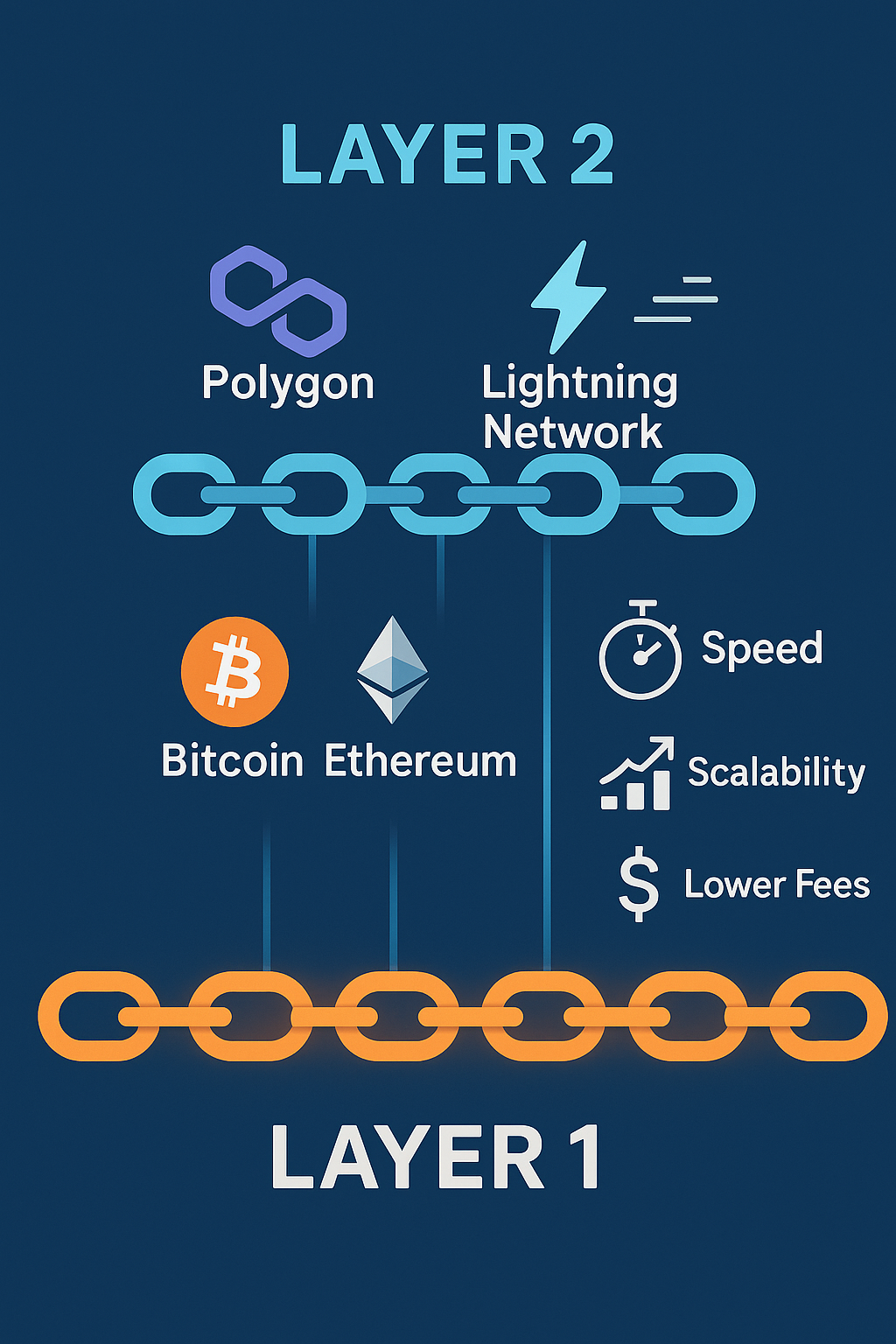
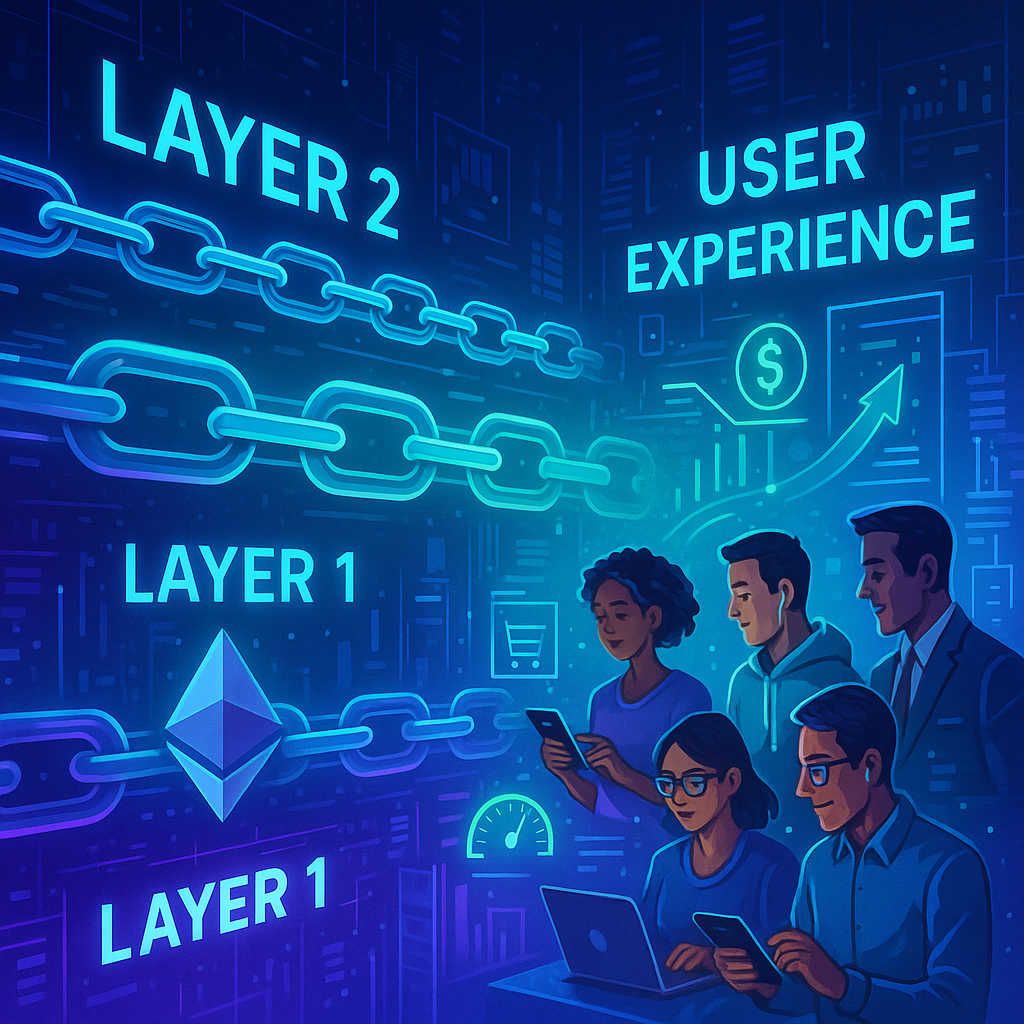
Layer 2 is a secondary framework built on top of an existing blockchain like Ethereum. Think of it as an express lane added to a busy highway. Instead of processing every transaction directly on the main chain (Layer 1), Layer 2 handles most of the work off-chain and then reports the final result back to Ethereum.
- Transactions are processed away from the congested main chain, reducing load significantly.
- Only the final settlement data is recorded on Ethereum, keeping security intact.
- This approach boosts speed and cuts costs without changing Ethereum’s core structure.
The result is a system that keeps the trust and security of Ethereum while delivering the speed users expect from modern apps.
Why Layer 2 Matters More Than Ever in 2025
As crypto adoption grows globally, the demand for fast and affordable transactions has never been higher. Layer 2 solutions address the biggest pain points users face on Layer 1 networks.
- Much Lower Fees: Instead of paying the equivalent of hundreds of rupees in gas fees, users pay just a few cents per transaction.
- Faster Transactions: Payments and smart contracts settle in seconds rather than minutes.
- Handles More Users: Layer 2 can process thousands of transactions simultaneously, making it ready for mass adoption.
- Better User Experience: Apps built on Layer 2 feel as smooth as Google Pay or UPI for Indian users.
- More Eco-Friendly: Fewer on-chain transactions mean lower energy consumption overall.
Top Layer 2 Projects Leading the Space Right Now
Several Layer 2 platforms have built strong reputations and large user bases. Here is a quick look at the most prominent ones:
| Project | Key Strength | Best For |
|---|---|---|
| Arbitrum | Fast and affordable transactions | DeFi applications |
| Optimism | Improved smart contract performance | dApps and DeFi |
| zkSync | zk-rollup technology for high security | Payments and transfers |
| StarkNet | Advanced zk-rollup with high throughput | Complex smart contracts |
| Base | User-friendly design by Coinbase | Consumer apps and onboarding |
Arbitrum and Optimism use a method called optimistic rollups, while zkSync and StarkNet rely on zero-knowledge rollups (zk-rollups). Both approaches reduce fees and increase speed, but zk-rollups offer faster finality and stronger privacy guarantees. Base, launched by Coinbase, focuses on making crypto apps easy enough for first-time users.
How Layer 2 Is Making Crypto Feel Like Everyday Apps
One of the biggest barriers to crypto adoption has been complexity. Developers building on Layer 2 are now working hard to remove that friction entirely. Here is what is changing:
- No Wallet Seed Phrases Required: Users can log in with their fingerprint or email address instead of memorising long recovery phrases.
- Gas Fees Covered by Apps: Many Layer 2 apps now absorb transaction costs on behalf of users, so you pay nothing extra.
- Mobile-First Design: Apps are built to work smoothly on smartphones, just like any popular payment app.
- One-Click Sign Up: New users can start using crypto without any technical knowledge or confusing setup steps.
These improvements mean that even someone who has never used crypto before can get started without any confusion or technical hurdles.
Layer 2 in Action: A Real-World Comparison
To understand the real difference Layer 2 makes, consider a simple example — sending ₹400 to a friend using crypto.
- On the main Ethereum network (Layer 1): You could pay around ₹250 in gas fees alone, and the transaction might take 5 to 10 minutes to confirm. For a small payment, this makes no practical sense.
- On a Layer 2 network like zkSync or Arbitrum: The fee drops to just ₹1 or ₹2, and the transaction completes almost instantly — much like sending money through Google Pay or PhonePe.
This comparison shows why Layer 2 is not just a technical upgrade. It is a practical shift that makes crypto usable for real daily transactions, especially in price-sensitive markets like India.
As 2025 progresses, most people using crypto-powered apps may not even realise they are interacting with a blockchain at all. The technology will work quietly in the background while the experience feels completely normal. Layer 2 is the bridge that takes blockchain from a niche technology to something the general public can genuinely use and benefit from.
Frequently Asked Questions
An ICO (Initial Coin Offering) is one type of token sale where a project sells digital tokens to raise funds. Token Sales is a broader term that also includes Security Token Offerings (STOs) and Initial DEX Offerings (IDOs), each with different structures and regulatory requirements.
India does not have specific legislation governing ICOs as of now. However, cryptocurrency investments are subject to taxation under Indian law. Investors should consult a financial or legal advisor before participating in any ICO to understand the current regulatory position.
Watch for red flags such as an anonymous or unverifiable team, a vague or plagiarised whitepaper, unrealistic return promises, no clear use case for the token, and pressure to invest quickly. Always research thoroughly and verify project details through independent sources before investing.