
Software teams today face constant pressure to ship faster, reduce errors, and keep systems running without interruption. AI-powered DevOps is emerging as a practical answer to these challenges, bringing intelligence and automation into every stage of the software lifecycle.
What AI-Powered DevOps Actually Means
DevOps is the practice of connecting software development and IT operations to deliver applications faster and more reliably. When artificial intelligence is layered into this process, it takes things further by handling tasks that previously required constant human attention.
Instead of engineers manually checking logs, writing test cases, or monitoring server health around the clock, AI tools can do much of this automatically. The result is a faster, more reliable development pipeline with fewer bottlenecks and human errors.
This approach is sometimes called AIOps — the use of machine learning and data analytics to improve and automate IT operations.
Key Ways AI Is Transforming DevOps Workflows
AI is making an impact across multiple stages of the DevOps pipeline. Here is how it works in practice:
- Smarter System Monitoring: AI continuously watches application performance and infrastructure behavior. It learns what normal looks like and raises alerts when something unusual happens — often before users notice any issue.
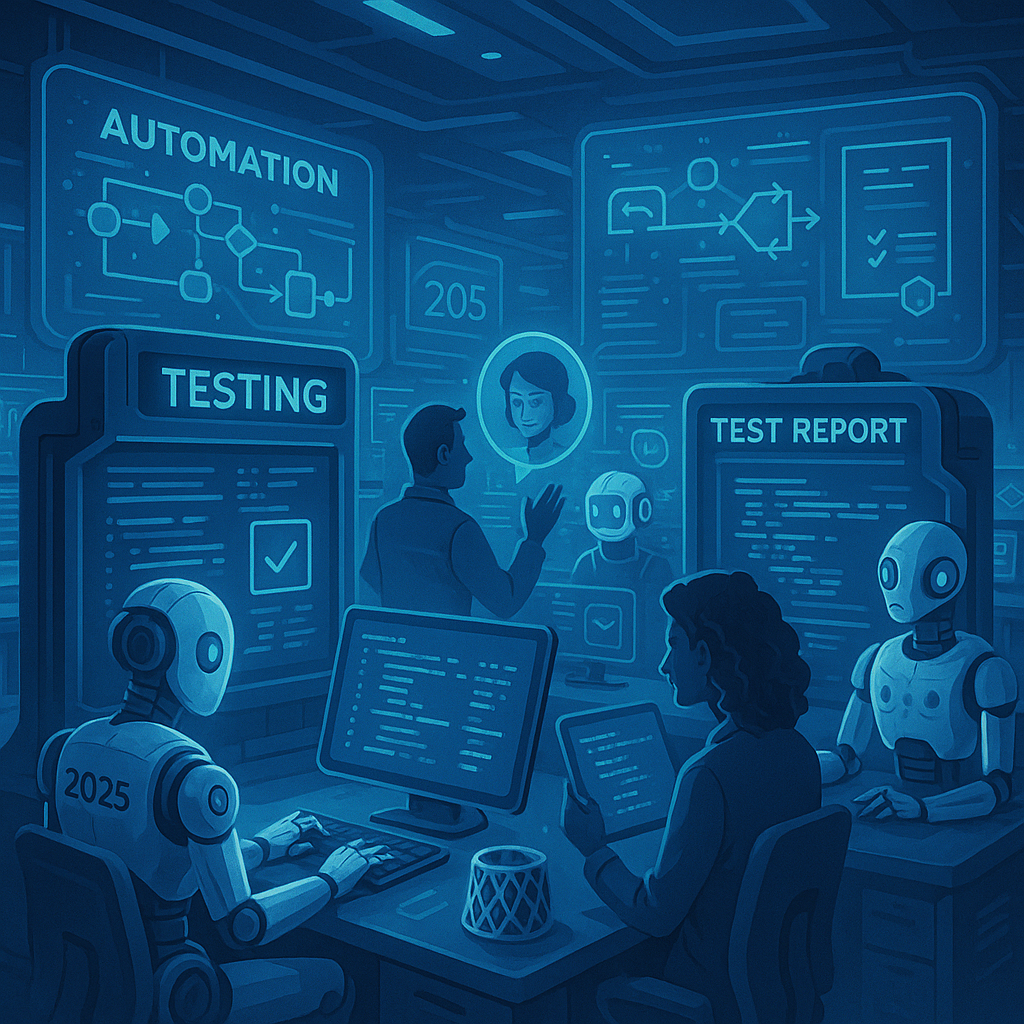
- Automated Testing: Writing and running test cases manually is time-consuming. AI can generate test scenarios, run them automatically, and flag failures, cutting testing time significantly while improving coverage.
- Safer Deployments: AI helps teams release updates without breaking live systems. It can choose the safest deployment strategy and even roll back changes automatically if something goes wrong after release.
- Predictive Problem Detection: By studying historical data and usage patterns, AI can warn teams about potential failures before they occur. This shifts teams from reactive firefighting to proactive problem-solving.
- Security Threat Detection: AI monitors for unusual activity across systems and can flag or block potential security threats in real time, adding an extra layer of protection to the software pipeline.
Benefits of Bringing AI Into DevOps
Organizations that adopt AI-powered DevOps practices report several clear advantages:
| Benefit | What It Means for Teams |
|---|---|
| Faster Delivery | Automation speeds up development, testing, and deployment cycles |
| Cost Savings | Less manual work reduces the need for large operational teams |
| Higher Quality | Automated testing catches bugs earlier in the development process |
| Better Security | Real-time threat detection protects systems from vulnerabilities |
| Improved Productivity | Engineers focus on creative and strategic work instead of repetitive tasks |
Real-World Adoption by Leading Companies
This is not a future concept — major technology companies are already using AI within their DevOps pipelines today.
Netflix uses AI to monitor its massive streaming infrastructure and predict system issues before they affect viewers. Amazon applies machine learning to manage deployments across its cloud services and e-commerce platforms. Google uses AI-driven operations to maintain the reliability of its global infrastructure at scale.
These examples show that AI-powered DevOps is not just for large enterprises. As tools become more accessible, smaller development teams are also beginning to adopt these practices to stay competitive.
Challenges Teams Should Be Aware Of
Adopting AI in DevOps does come with real challenges that teams should plan for:
- Data Quality: AI systems depend on good, clean data to make accurate decisions. Poor data leads to poor predictions and unreliable automation.
- Setup Time: Integrating AI tools into existing pipelines takes time, planning, and sometimes significant infrastructure changes.
- Skill Requirements: Teams need some understanding of how these tools work to configure, maintain, and trust them effectively.
- Over-Reliance Risk: Fully automated systems still need human oversight. Teams should treat AI as a support tool, not a complete replacement for engineering judgment.
Despite these hurdles, most organizations find that the long-term gains outweigh the initial investment once the systems are properly set up.
What the Future of DevOps Looks Like
The direction is clear: DevOps pipelines will become increasingly self-managing. We are moving toward systems that can detect their own failures, deploy fixes automatically, and optimize performance without waiting for human input.
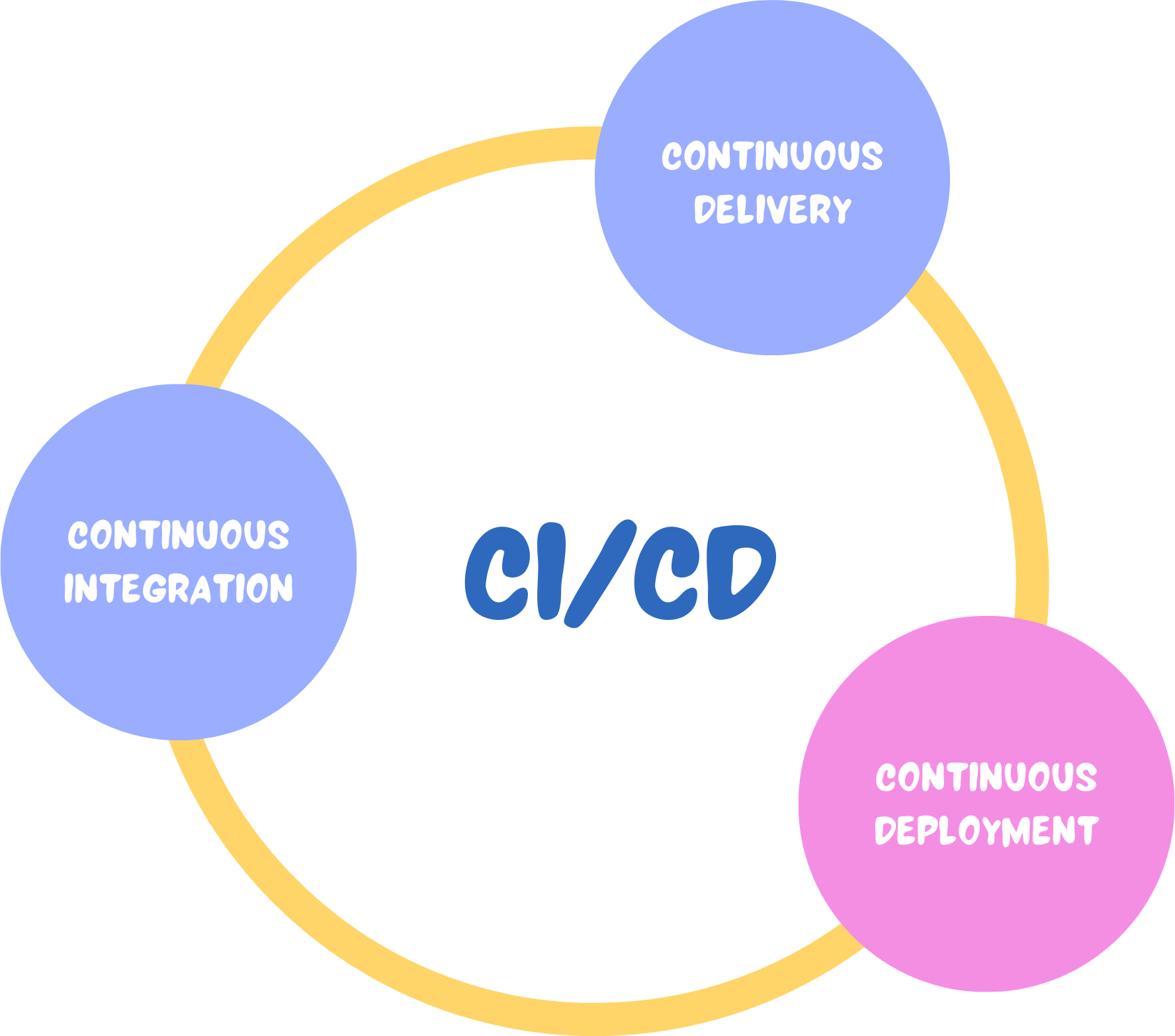
Trends like self-healing infrastructure, continuous deployment with zero downtime, and AI-assisted code review are already taking shape in forward-looking engineering teams. As machine learning models improve and cloud-native tools mature, these capabilities will become standard practice rather than a competitive advantage.
In conclusion, AI-powered DevOps represents a meaningful shift in how software is built, tested, and maintained. For development teams looking to reduce manual overhead, ship faster, and build more reliable products, integrating intelligent automation into their workflows is quickly becoming less of an option and more of a necessity.