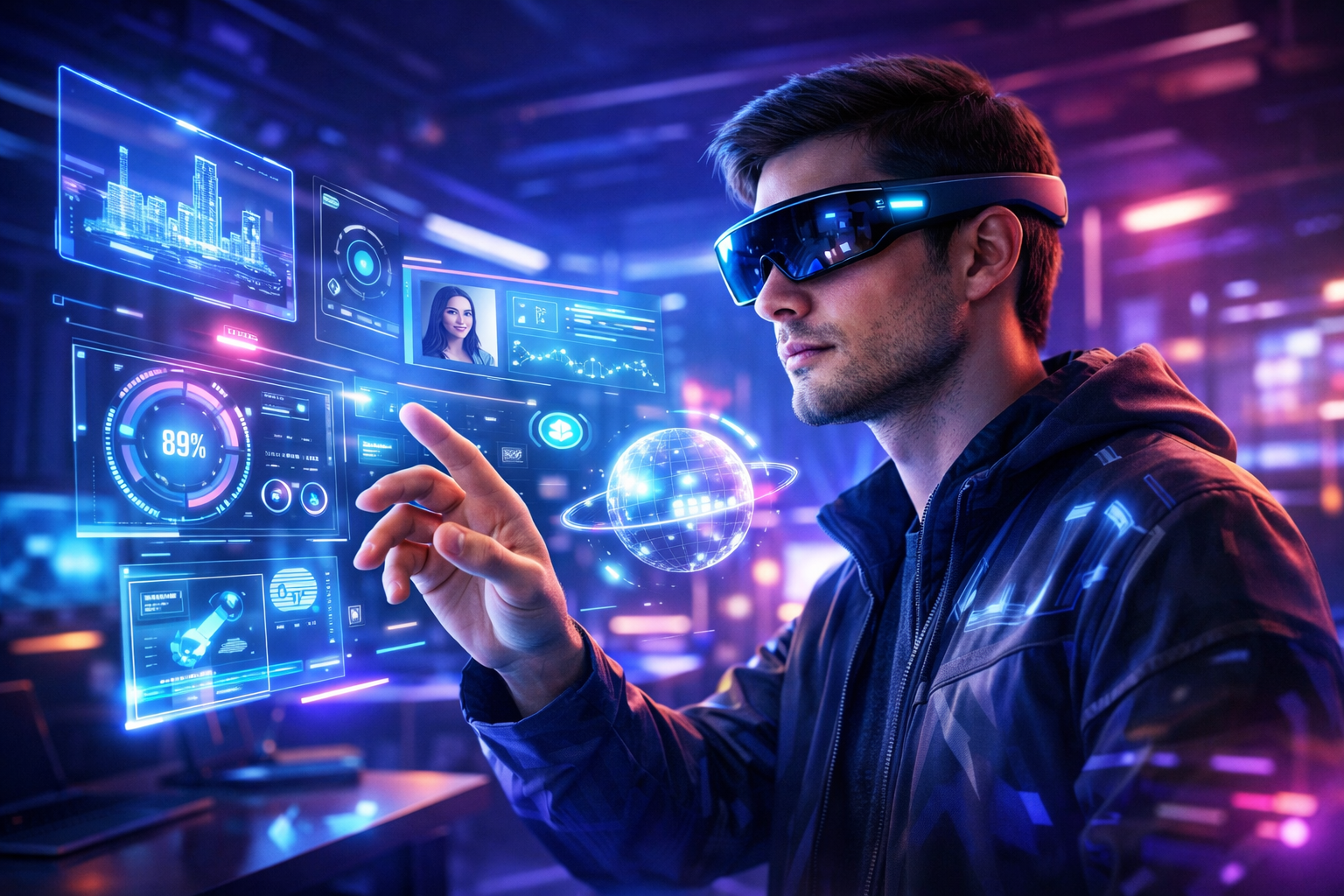
Mixed reality wearables are no longer just a concept from science fiction. These devices are already being used across industries — from hospitals and classrooms to engineering labs and offices — and their potential is only growing. Here is a closer look at what mixed reality wearables are, how they work, and why they matter for the future of technology.
What Are Mixed Reality Wearables?
Mixed Reality (MR) wearables are smart devices that blend physical surroundings with digital content. Unlike virtual reality headsets that completely replace your view of the world, MR devices let you see both the real environment and digital objects at the same time.
Think of wearing a pair of MR glasses and seeing a floating digital screen in front of you while still being fully aware of the room around you. You can interact with these digital objects using hand gestures, voice commands, or eye movements — making the experience feel natural and intuitive.
This is what sets MR apart from both standard augmented reality and full virtual reality experiences.
How Mixed Reality Wearables Actually Work
MR devices rely on a combination of advanced technologies to function effectively:
- Sensors and cameras — These scan and map the physical environment in real time.
- Spatial tracking — The device tracks your position and movement so digital objects stay anchored in the right place.
- Computer vision and AI processing — These help the device understand what it is seeing and place digital content accurately within the real world.
- Display technology — Transparent or semi-transparent lenses project digital visuals directly into your field of view.
For example, an MR headset could project a virtual map onto your table or display a digital notification beside a physical object — and as you move, the content adjusts to stay in position. This creates the illusion that digital elements truly exist in the physical space around you.
Where Mixed Reality Wearables Are Already Being Used
Several industries have already adopted MR wearables, and real-world applications are expanding fast.
| Industry | How MR Wearables Are Used |
|---|---|
| Healthcare | Surgeons view patient data and imaging overlays during procedures without looking away from the patient. |
| Education | Students interact with 3D models and visual demonstrations instead of relying only on textbooks. |
| Engineering and Design | Professionals visualise and test product designs in real space before physical production begins. |
| Remote Work and Collaboration | Teams can share virtual workspaces and collaborate on digital content in real time from different locations. |
| Retail and E-commerce | Shoppers can try products virtually before purchasing, improving the buying experience. |
These use cases show that MR wearables are not just experimental gadgets — they are practical tools already delivering real value in professional settings.
How MR Wearables Are Changing Human-Technology Interaction
One of the most significant shifts MR wearables bring is a change in how people interact with digital content. For decades, screens — whether on phones, tablets, or computers — have been the primary interface between humans and digital information.
MR wearables move away from this screen-dependent model. Instead of picking up a phone or sitting at a desk, users can:
- Control apps and menus using hand gestures
- Issue commands through voice
- Navigate interfaces using eye-tracking technology
- Access information directly within their physical environment
This shift makes technology feel less like a separate tool and more like a natural extension of everyday life. It also has major implications for productivity, accessibility, and how information is consumed in both personal and professional settings.
What the Future Holds for Mixed Reality Wearables
The trajectory for MR wearables points strongly upward. Companies across the technology sector are investing heavily in making these devices smaller, lighter, more powerful, and more affordable.
Key developments expected in the coming years include:
- Slimmer, more comfortable designs — Current MR headsets can be bulky. Future versions are expected to look much closer to regular glasses.
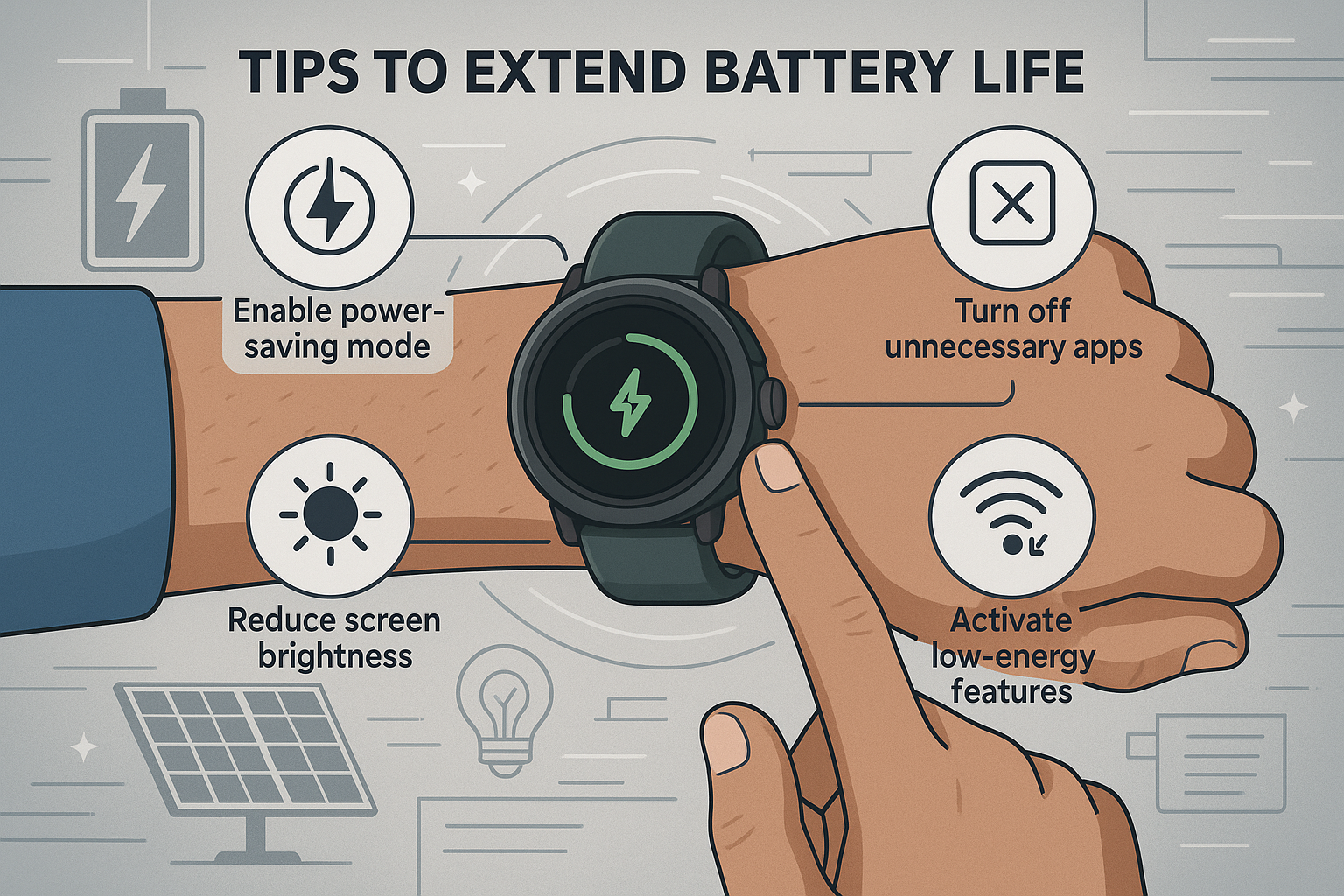
- Longer battery life — Improved power efficiency will allow extended use throughout the day.
- Better integration with 5G networks — Faster connectivity will enable richer, real-time MR experiences.
- Lower price points — As production scales up, costs are expected to drop, making MR wearables accessible to a wider audience.
Some technology experts believe MR wearables could eventually reduce dependence on smartphones by offering a more immersive and hands-free way to access digital information. Whether that shift happens gradually or rapidly will depend on how quickly hardware and software mature — and how quickly consumers adopt the technology.
Mixed reality wearables represent a meaningful step forward in how humans experience and interact with digital content. As these devices continue to improve and become more widely available, they are likely to become a standard part of daily life — much like smartphones did over the past two decades. The industries that adopt this technology early stand to gain significant advantages in efficiency, communication, and innovation.
Frequently Asked Questions
Virtual reality places you inside a fully digital environment where you cannot see the real world. Mixed reality, on the other hand, overlays digital content onto your real-world surroundings, allowing you to see and interact with both at the same time.
Mixed reality wearables are actively being used in healthcare for surgical assistance, in education for interactive 3D learning, in engineering and product design, in remote collaboration, and in retail for virtual product trials.
Some technology experts believe MR wearables could reduce dependence on smartphones by offering a hands-free, immersive way to access information. However, widespread replacement will depend on how affordable, comfortable, and capable these devices become over the coming years.