
Personal technology is shifting fast. Phones now fold like books, laptops come with two screens, and wearables deliver information without any screen at all. These changes are not just design experiments — they are reshaping how people work, communicate, and stay connected every day. Here is a close look at where foldables, dual-screen devices, and screenless wearables are headed.
Foldable Phones and Tablets: From Novelty to Necessity
Foldable devices have moved well past the novelty stage. Companies like Samsung, Google, and OnePlus are now shipping foldables that real users rely on for daily tasks. These devices combine a compact phone form with a tablet-sized display that opens up when you need more space.
What makes foldables worth considering:
- You get a phone and a mini tablet in a single device
- Multitasking becomes easier with a larger unfolded display
- Bendable screens made with ultra-thin glass are now more durable than early versions
Professionals travelling without a laptop are finding devices like the Samsung Galaxy Z Fold6 and Google Pixel Fold genuinely useful for handling documents, video calls, and creative work on the go. As hinge technology improves and prices gradually come down, foldables are expected to reach a wider audience through 2025 and beyond.
Dual-Screen Devices: Built for Productivity and Multitasking
Dual-screen laptops and tablets are changing how people handle multiple tasks at once. Devices like the Microsoft Surface Duo and the ASUS ZenBook Duo give users two active displays in one package, making it easier to keep different apps open side by side.
Key advantages of dual-screen devices include:
- Split-screen working without sacrificing screen real estate
- A secondary display for notes, timelines, widgets, or communication tools
- Flexible viewing angles for both work and entertainment
As more app developers build software specifically for two-screen layouts, the experience is becoming smoother. Writers can keep research on one screen while drafting on the other. Designers can view references alongside their active canvas. The workflow benefits are practical and immediate.
| Device | Type | Key Feature |
|---|---|---|
| Samsung Galaxy Z Fold6 | Foldable Phone | Large inner display, multitasking |
| Microsoft Surface Duo | Dual-Screen Phone | Two separate screens, productivity focus |
| ASUS ZenBook Duo | Dual-Screen Laptop | Secondary display below main screen |
| Google Pixel Fold | Foldable Phone | Compact design, Google software integration |
Screenless Wearables: The Quiet Shift in How We Interact with Tech
Some of the most interesting personal tech developments involve devices that have no screen at all. Instead of looking at a display, users receive information through touch feedback, audio cues, or even projected visuals directly in their field of view.
Notable screenless wearable technologies gaining traction:
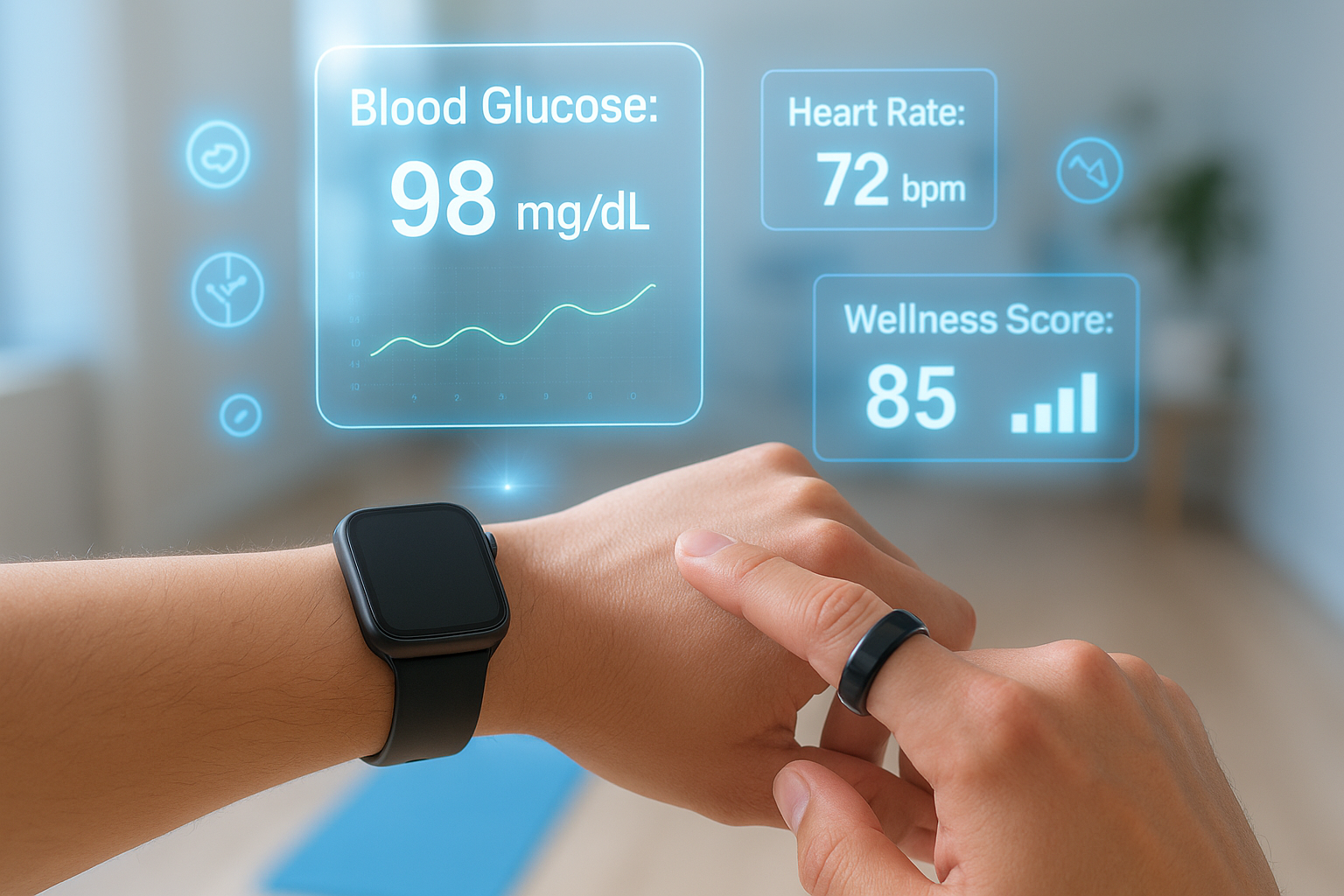
- Smart rings that track health data, provide haptic feedback, and respond to voice commands
- Smart earbuds with built-in translation, voice assistance, and real-time audio processing
- Augmented reality contact lenses that overlay information directly onto what you see
This category of wearables focuses on three things: simplicity, health monitoring, and hands-free use. You can check a notification on your wrist through a gentle vibration pattern, or get a spoken summary of your schedule through your earbuds — all without pulling out a phone. The appeal is clear for people who want to stay informed without being constantly distracted by a screen.
What Personal Tech Will Look Like Going Forward
The direction personal technology is heading points toward devices that blend into daily life rather than demand attention. Screens will still exist, but they will be more flexible, more contextual, and less central to every interaction.
Trends worth watching over the next few years:
- Personalised experiences driven by on-device intelligence that learns user habits
- Eco-friendly materials and manufacturing practices becoming standard in flagship devices
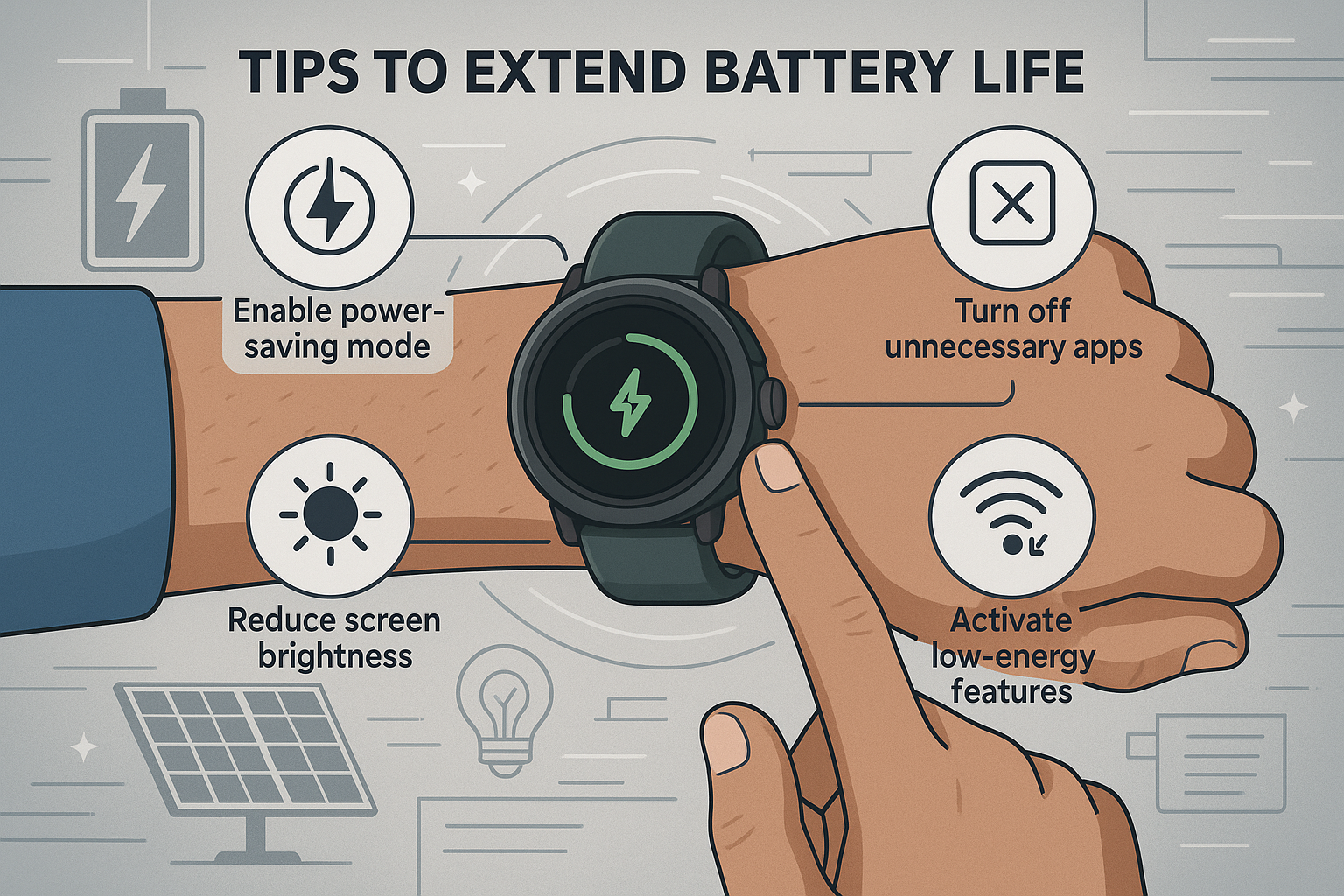
- Self-powered sensors and longer-lasting batteries reducing charging dependency
- Tighter integration between phones, wearables, and smart home environments
The most significant shift may be that the best future devices will not look like traditional gadgets at all. A ring, a pair of earbuds, or a thin flexible band could carry more computing power and usefulness than a smartphone does today.
Why These Trends Matter for Everyday Users
For most people, the practical question is simple: will these devices make life easier or more complicated? Based on current trajectories, the answer leans toward easier — provided the technology matures and prices become accessible.
- Foldables reduce the need to carry both a phone and a tablet
- Dual-screen devices help professionals work more efficiently without extra hardware
- Screenless wearables reduce screen time while keeping users connected
Each of these categories addresses a real frustration with current devices — limited screen space, cluttered desks, and constant phone checking. The technology is not perfect yet, but the direction is clear and the pace of improvement is fast.
As 2025 progresses, personal technology is becoming more adaptable, more personal, and less intrusive. Devices are getting smarter about when to show information and when to stay out of the way — and that balance is exactly what users have been asking for.
Frequently Asked Questions
Some of the leading foldable phones in 2025 include the Samsung Galaxy Z Fold6, Google Pixel Fold, and OnePlus Open. These devices offer large inner displays for multitasking and compact outer screens for everyday use.
Screenless wearables are devices that deliver information without a traditional display. Examples include smart rings that use haptic feedback, smart earbuds with voice assistance, and AR contact lenses that project information into your field of view.
Dual-screen devices like the ASUS ZenBook Duo and Microsoft Surface Duo can significantly improve productivity by allowing users to run two apps side by side without switching between windows. They are particularly useful for writers, designers, and professionals who work with multiple tools simultaneously.