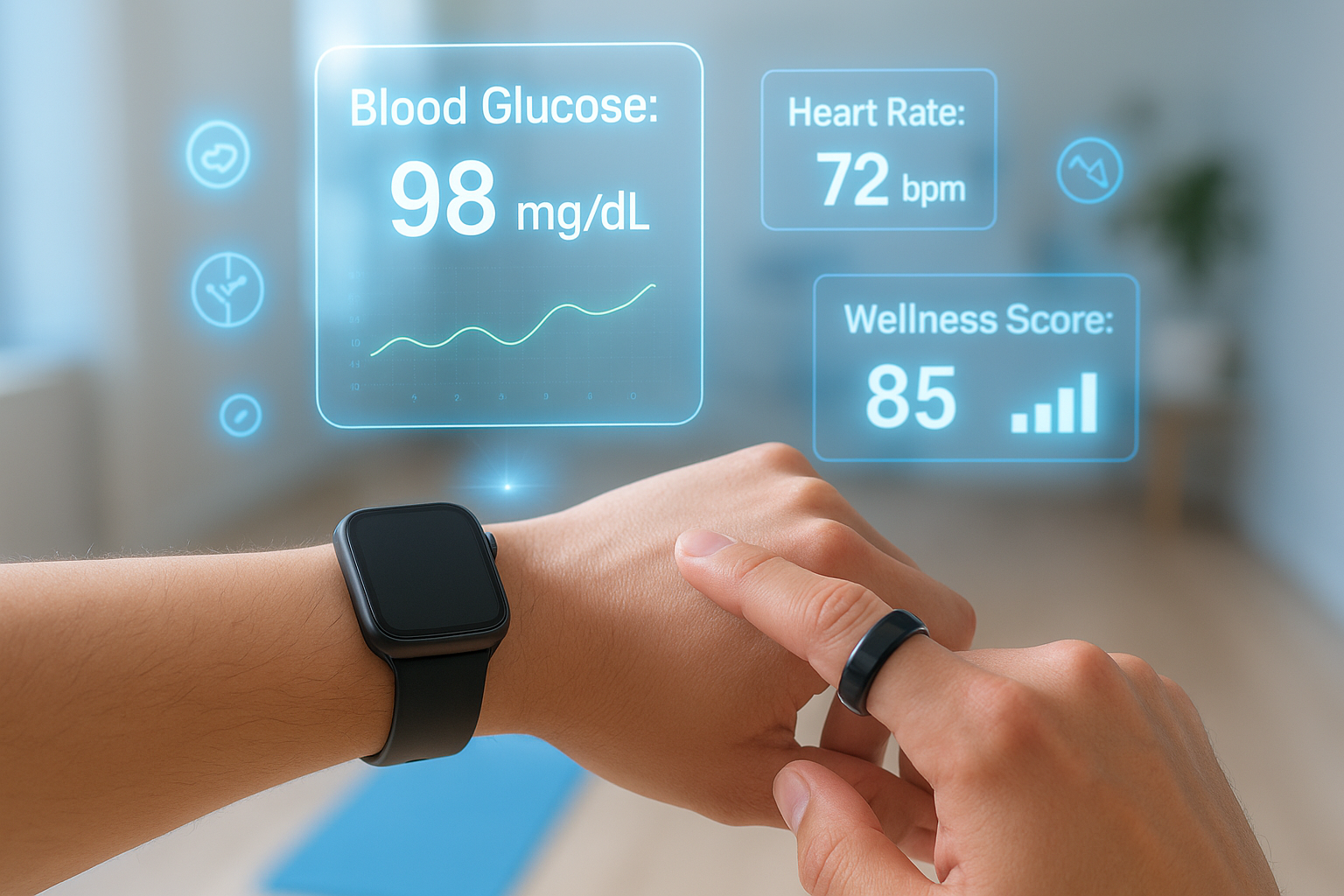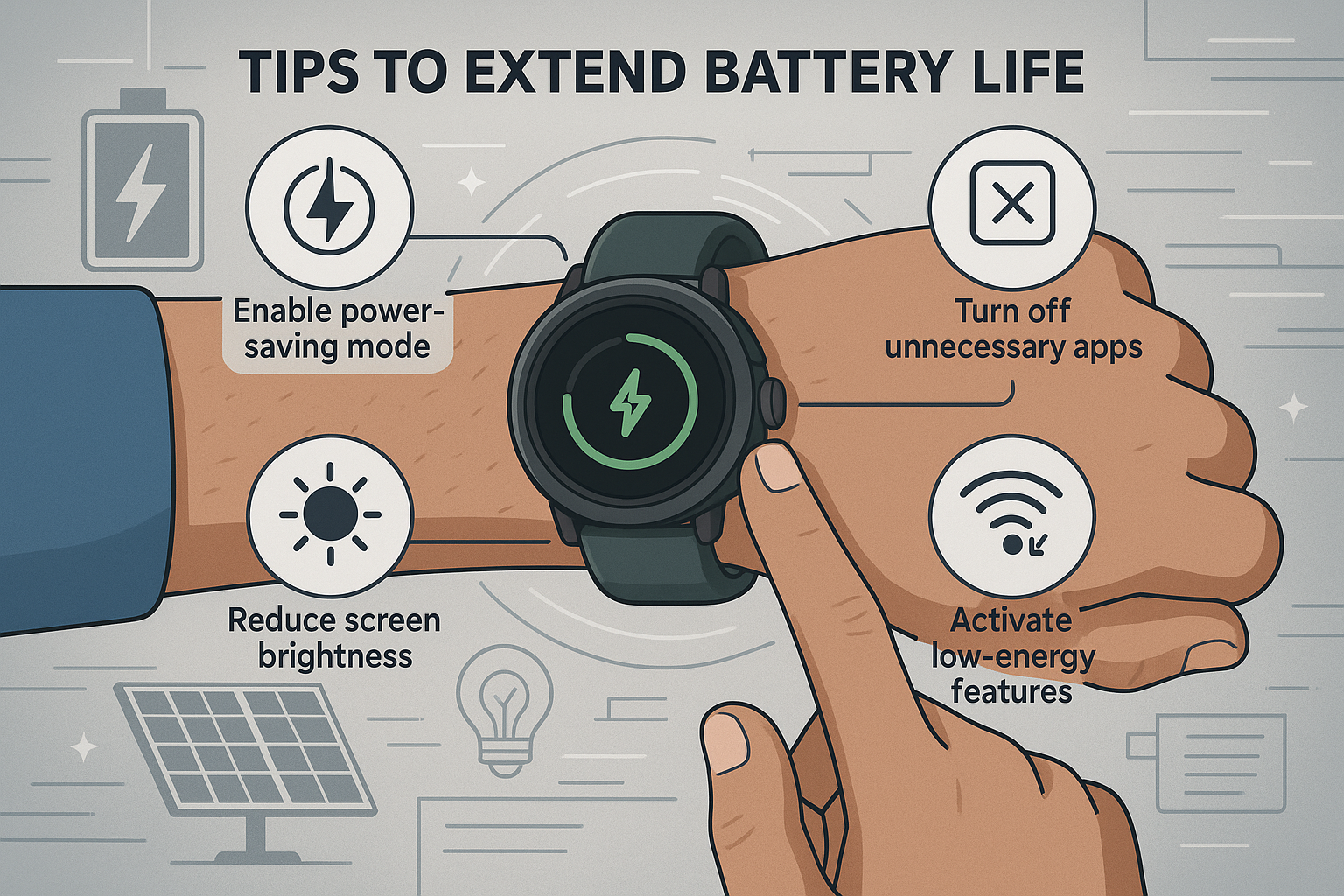
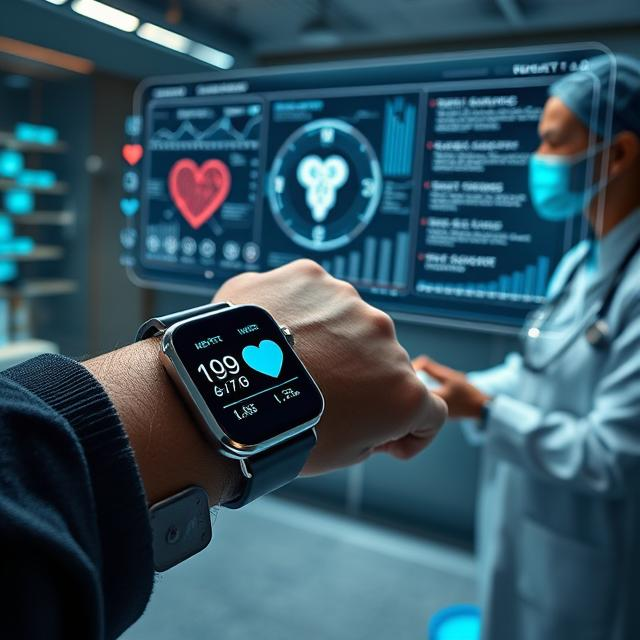
Wearable technology has quietly moved from gym bags to hospital corridors. Smartwatches, fitness trackers, health-monitoring rings, and biosensor patches are now helping millions of people track their health in real time, catch warning signs early, and manage chronic conditions more effectively. Here is a closer look at how wearables are reshaping preventive healthcare and what the future holds for this fast-growing space.
What Wearable Technology Actually Does
Wearable devices are smart gadgets worn on the body that continuously collect health data using built-in sensors. Common examples include smartwatches like the Apple Watch and Samsung Galaxy Watch, fitness bands like Fitbit, smart rings like the Oura Ring, and medical-grade patches used for glucose or ECG monitoring.
These devices measure a wide range of health indicators, including:
- Heart rate and heart rate variability
- Blood oxygen levels (SpO2)
- Sleep duration and quality
- Physical activity and calorie burn
- Stress levels
- Blood pressure (in select devices)
- Blood glucose (in continuous glucose monitors)
The data collected is synced to health apps on smartphones, giving users a detailed and ongoing picture of their physical condition.
How Wearables Support Preventive Healthcare
Preventive healthcare is about catching problems before they become serious. Wearables are uniquely positioned to support this goal because they monitor health around the clock, not just during a doctor’s visit.
Early detection of health issues: When a wearable detects an irregular heartbeat, a sudden drop in blood oxygen, or an unusual spike in resting heart rate, it can alert the user to seek medical attention. This kind of early warning has already helped people identify conditions like atrial fibrillation before a stroke occurs.
Continuous monitoring vs. periodic check-ups: A standard doctor’s appointment gives a snapshot of health at one moment. Wearables provide a continuous stream of data, making it easier to spot patterns or anomalies that would otherwise go unnoticed.
Personalised health guidance: Based on individual data trends, wearables can suggest changes to diet, exercise intensity, or sleep schedules. This advice is tailored to the user rather than based on general population averages.
Chronic condition management: For people living with diabetes, hypertension, or heart disease, wearables offer real-time tracking of critical health markers. Continuous glucose monitors, for example, help diabetic patients manage their blood sugar without constant finger-prick tests.
Building healthier habits: Step goals, hydration reminders, movement alerts, and achievement badges motivate users to stay active and maintain consistent routines.
Wearables and Everyday Wellness
Beyond medical use, wearables play a strong role in everyday wellness management.
Fitness tracking: Devices measure steps, distance, active minutes, and workout intensity. This helps users set realistic fitness goals and track progress over time.
Sleep monitoring: Sleep trackers analyse sleep stages, duration, and disruptions. Many devices provide a sleep score and practical tips to improve rest, which directly impacts energy levels, mood, and immunity.
Stress management: By measuring heart rate variability and skin conductance, some wearables can detect elevated stress levels and prompt users to try breathing exercises or short meditation sessions.
Health data integration: Most wearables connect with platforms like Apple Health, Google Fit, or Samsung Health, consolidating data from multiple sources into one dashboard for a complete health overview.
| Feature | Benefit | Example Devices |
|---|---|---|
| Heart Rate Monitoring | Detects irregular rhythms early | Apple Watch, Fitbit Sense |
| Sleep Tracking | Improves sleep quality and habits | Oura Ring, Garmin Vivosmart |
| Blood Glucose Monitoring | Helps manage diabetes continuously | Dexcom G7, Abbott FreeStyle Libre |
| Stress Detection | Encourages timely stress relief | Samsung Galaxy Watch, Fitbit |
| SpO2 Monitoring | Tracks blood oxygen for respiratory health | Apple Watch, Xiaomi Mi Band |
What the Future of Wearable Health Tech Looks Like
The next generation of wearables is expected to go much further than current devices.
- Advanced sensors: Future devices may non-invasively measure blood sugar, hydration levels, and even early markers of infection or inflammation.
- Machine learning-powered predictions: With more data and smarter algorithms, wearables will be able to predict health risks days or weeks in advance and offer highly personalised recommendations.
- Mental health monitoring: Emerging wearables are being designed to track emotional states, cognitive performance, and early signs of anxiety or depression using biometric signals.
- Integration with healthcare systems: Future devices will connect directly with electronic health records, telemedicine platforms, and hospital systems, making remote patient monitoring a standard part of care.
These developments point toward a future where wearables act as a personal health assistant, bridging the gap between patients and healthcare providers.
Frequently Asked Questions
Yes, wearables can detect early warning signs such as irregular heart rhythms, low blood oxygen, or unusual changes in resting heart rate. These alerts can prompt users to seek medical attention before a condition becomes critical, potentially preventing events like strokes or heart attacks.
Continuous glucose monitors like the Dexcom G7 and Abbott FreeStyle Libre are specifically designed for diabetes management. For blood pressure and heart health, devices like the Apple Watch and Fitbit Sense offer relevant monitoring features. Always consult your doctor before relying on any device for medical management.
Most consumer wearables provide reasonably accurate data for general wellness tracking, but they are not certified medical devices in most cases. For critical health decisions, data from wearables should be used alongside professional medical advice and clinically validated equipment.