GPS tracking devices have become an essential part of modern life. Whether you want to monitor your vehicle, keep your child safe, track a pet, or protect valuable assets, a GPS tracker gives you real-time location data right on your phone or computer. This guide covers everything you need to know before buying or using one.
What Is a GPS Tracking Device?
A GPS (Global Positioning System) tracking device is a compact piece of hardware that receives signals from satellites orbiting Earth to determine its precise location. Once the location is identified, the device transmits that data through cellular networks to a central server, which you can access through a smartphone app or web dashboard.
These devices can be attached to vehicles, clipped onto pet collars, placed inside bags, or even worn by individuals. They are small, lightweight, and designed for continuous use in a variety of environments.
How Do GPS Trackers Work?
GPS trackers work by communicating with a network of satellites positioned around the Earth. Here is a simple breakdown of the process:
- The tracker receives signals from multiple satellites simultaneously.
- Using the time delay between signals, the device calculates its exact position through a process called trilateration.
- This location data is then sent via a cellular or Wi-Fi network to a cloud server.
- You can view the real-time location on a dedicated app or website from anywhere.
Most modern GPS trackers update their location every few seconds to every few minutes, depending on the device settings and subscription plan.
Types of GPS Tracking Devices
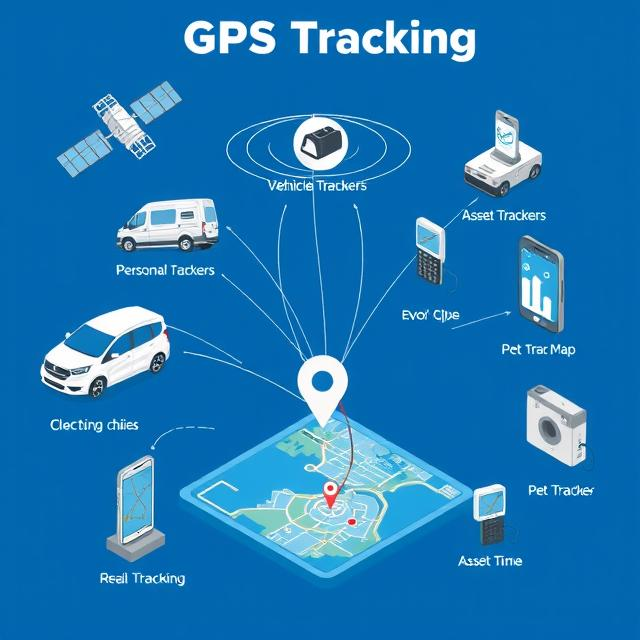
Different GPS trackers are built for different purposes. Here is a comparison of the most common types:
| Type | Best For | Key Feature |
|---|---|---|
| Personal GPS Tracker | Children, elderly, lone workers | SOS alert button |
| Vehicle GPS Tracker | Cars, bikes, trucks | Speed monitoring and route history |
| Asset GPS Tracker | Tools, packages, machinery | Theft prevention and geofencing |
| Pet GPS Tracker | Dogs, cats | Lightweight collar attachment |
Key Benefits of Using a GPS Tracker
GPS tracking devices offer practical advantages for individuals, families, and businesses alike:
- Real-Time Monitoring: Check the exact location of a person, vehicle, or asset at any moment.
- Improved Security: Quickly respond to theft or unauthorized movement with instant alerts.
- Fleet Management: Businesses can optimize delivery routes, reduce fuel costs, and monitor driver behavior.
- Emergency Assistance: Locate a missing person, lost pet, or stolen vehicle faster with accurate GPS data.
- Peace of Mind: Parents, pet owners, and business managers can stay informed without constant phone calls.
How to Choose the Right GPS Tracker
With so many options available in the market, picking the right GPS tracker depends on your specific needs. Keep these factors in mind before making a purchase:
- Battery Life: For personal or pet trackers, longer battery life means less frequent charging. Vehicle trackers are often hardwired to the car battery.
- Size and Weight: Compact and lightweight designs work best for pets and children. Larger units may be suitable for vehicles or heavy machinery.
- Network Coverage: Confirm that the tracker supports cellular networks available in your region, especially if you plan to use it in rural or remote areas.
- Features: Look for live tracking, geofencing alerts, speed notifications, location history, and SOS buttons based on your use case.
- Subscription Cost: Most GPS trackers require a monthly or annual data plan in addition to the device cost. Compare plans before committing.
GPS trackers are also widely used for outdoor activities like hiking, cycling, and camping, where staying connected in unfamiliar terrain can be a safety necessity.
In conclusion, GPS tracking devices are practical, reliable tools that serve a wide range of personal and professional needs. Whether you are a parent wanting to keep your child safe, a business owner managing a fleet, or a pet lover worried about a wandering dog, there is a GPS tracker designed for your situation. Understanding how they work and what features matter most will help you make a smart, informed choice.