
Blockchain technology is built on transparency — but transparency alone is not always safe. When anyone can see your wallet balance and transaction history, privacy becomes a serious concern. Zero-Knowledge Proofs, or ZKPs, offer a smart solution: they let you prove something is true without revealing the underlying data. This technology is quietly becoming one of the most important building blocks of modern blockchain systems.
What Is a Zero-Knowledge Proof?
A Zero-Knowledge Proof (ZKP) is a cryptographic method that allows one party to prove to another that a statement is true — without sharing any information beyond the fact that it is true.
A simple way to understand this: imagine you want to prove you know your ATM PIN without actually saying the number out loud. A ZKP makes that possible. You confirm the knowledge, but the secret stays secret.
In blockchain, this means a user can confirm that a transaction is valid without exposing their account balance, identity, or any other personal detail.
Why Blockchain Needs ZKPs
Public blockchains like Bitcoin and Ethereum are open ledgers. Every transaction is visible to anyone who looks. While this openness builds trust, it creates a privacy problem.
If someone knows your wallet address, they can track every transaction you make — how much you sent, to whom, and when. For individuals and businesses alike, this level of exposure is unacceptable.
Zero-Knowledge Proofs solve this by allowing the network to verify that a transaction follows all the rules, without anyone needing to see the actual details behind it. The result is a blockchain that is both trustworthy and private.
How ZKPs Work: The Prover and the Verifier
Every ZKP involves two roles:
- Prover: The person who wants to demonstrate that a statement is true.
- Verifier: The person who checks whether the proof is valid.
The prover generates a mathematical proof that confirms the statement. The verifier checks this proof and gets a yes or no answer — but learns nothing about the actual data behind it.
Think of it like a sealed envelope containing the correct answer. The verifier knows the answer is right, but never gets to open the envelope.
There are two main types of ZKPs used in blockchain:
| Type | How It Works | Common Use |
|---|---|---|
| Interactive ZKP | Prover and verifier exchange multiple messages to confirm the proof | Research and academic applications |
| Non-Interactive ZKP | Proof is generated once and shared without back-and-forth communication | Blockchain systems — zk-SNARKs, zk-STARKs |
Non-interactive ZKPs, especially zk-SNARKs and zk-STARKs, are the most widely used in real-world blockchain applications because they are faster and easier to implement at scale.
Real-World Uses of Zero-Knowledge Proofs in Blockchain
ZKPs are already being used across several important areas of the blockchain space:
- Private Cryptocurrencies: Zcash uses ZKPs to keep the sender, receiver, and transaction amount completely private while still allowing the network to verify the transaction is legitimate.
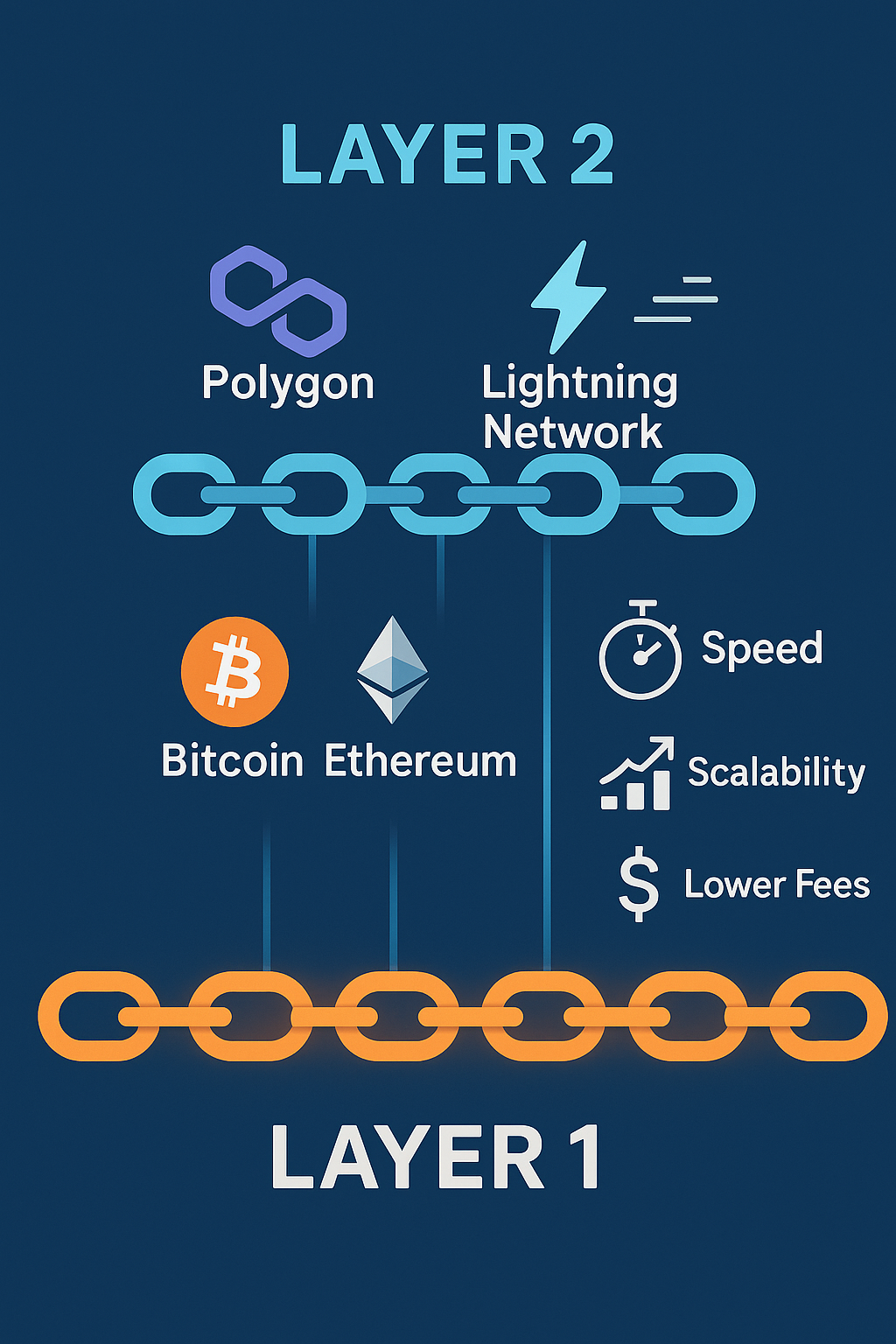
- zk-Rollups on Ethereum: Ethereum uses zk-Rollups as a Layer-2 scaling solution. ZKPs bundle hundreds of transactions together and verify them all at once, significantly reducing gas fees and processing time.
- Digital Identity and KYC: ZKPs allow users to prove their age, citizenship, or other credentials without sharing their full name, ID number, or other sensitive details. This is especially useful for Know Your Customer (KYC) compliance in financial services.
- Blockchain Voting Systems: ZKPs can confirm that each vote is valid and cast by an eligible voter, while keeping the voter’s identity completely anonymous — making digital elections more secure and trustworthy.
- Private Smart Contracts: Businesses can execute smart contracts on a blockchain without exposing confidential terms or financial data to competitors or the public.
Key Benefits of Zero-Knowledge Proofs
Here is why ZKPs are gaining serious attention from developers, companies, and governments in 2025:
- Stronger Privacy: Personal and financial data stays hidden from public view.
- Faster Transaction Verification: Proofs can be checked quickly without processing large amounts of raw data.
- Reduced Data Leak Risk: Since sensitive information is never shared, there is less to steal or expose.
- Regulatory Compliance: ZKPs help businesses meet privacy regulations like GDPR while still operating on public blockchains.
- Decentralized Identity Support: Users can manage their own digital identities without relying on centralised databases.
Why ZKPs Are One of the Biggest Blockchain Trends in 2025
The demand for privacy-preserving technology has grown sharply as more personal and financial activity moves online. Companies, banks, and governments are now actively exploring ZKPs for secure digital payments, confidential smart contracts, and identity management systems.
Projects building on Ethereum, Polygon, and other Web3 platforms are integrating zk-Rollups and ZKP-based tools to improve both performance and user privacy. The technology is also being considered for use in central bank digital currencies (CBDCs), where governments want transaction verification without full public exposure.
Looking ahead, ZKPs could power private social networks, secure decentralised applications (dApps), and financial systems that are transparent to regulators but confidential to the public — a balance that has been difficult to achieve until now.
Zero-Knowledge Proofs represent a major step forward for blockchain technology. They make it possible to build systems where trust does not require total transparency, and where privacy does not mean hiding wrongdoing. As Web3 continues to grow, ZKPs are likely to become a standard feature of any serious blockchain application.