
Cloud-native development has firmly established itself as the preferred approach to building modern software. In 2026, businesses of all sizes — from early-stage startups to global enterprises — are choosing cloud-native architectures to stay fast, secure, and competitive. Here is a detailed look at why this approach continues to lead the software industry.
Scalability That Grows With Your Business
One of the strongest advantages of cloud-native development is its ability to scale effortlessly. Unlike traditional systems where the entire application must be scaled together, cloud-native apps allow individual components to scale independently based on demand.
This means a sudden spike in website traffic or app usage does not bring the system down. Only the parts under pressure scale up automatically, keeping performance smooth and costs in check. For businesses serving thousands or millions of users, this kind of precision scaling is invaluable.
Faster Releases and Continuous Software Updates
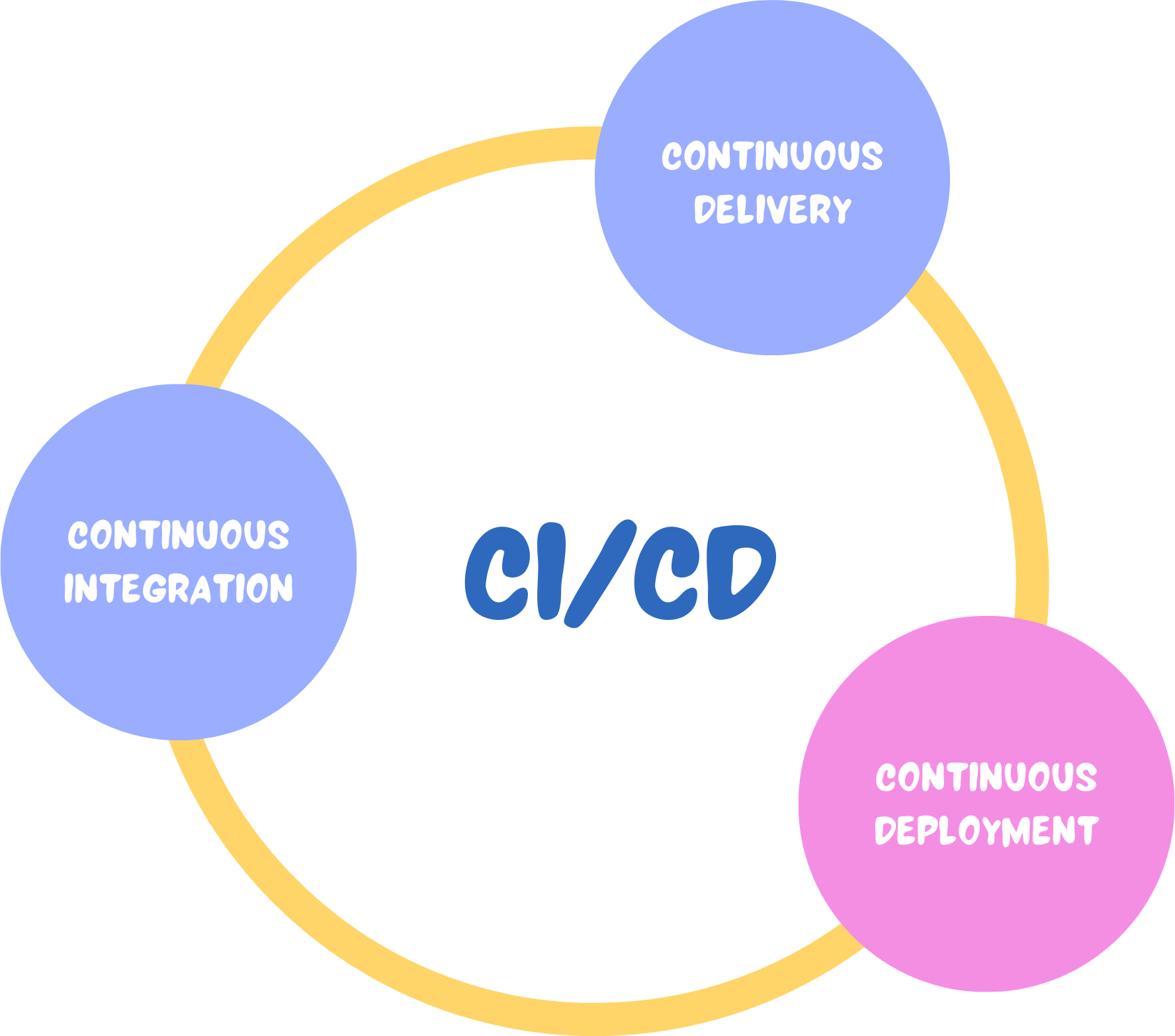
Speed of delivery is a major competitive advantage today. Cloud-native development supports continuous integration and continuous delivery (CI/CD), allowing development teams to push updates, fix bugs, and launch new features without taking the entire application offline.
- Small, frequent updates reduce the risk of large-scale failures.
- Teams can test changes in isolated environments before going live.
- Faster bug fixes improve user satisfaction and retention.
- Shorter release cycles help companies respond quickly to market changes.
Companies that ship software faster consistently outpace competitors who rely on slow, monolithic release cycles.
Microservices Architecture: Flexibility and Fault Isolation
Cloud-native applications are typically built using a microservices architecture. Instead of one large, tightly connected codebase, the application is broken into small, independent services. Each service handles a specific function — such as user authentication, payment processing, or notifications — and operates on its own.
This structure brings several practical benefits:
- If one service fails, the rest of the application keeps running normally.
- Teams can update or replace individual services without affecting the whole system.
- Different services can be built using different programming languages or technologies.
- Debugging and maintenance become far simpler and faster.
Microservices make large, complex applications much easier to manage over time.
Cost Efficiency Through Smart Resource Usage
Traditional software infrastructure often means paying for servers around the clock, even when they sit idle. Cloud-native systems work differently — resources are consumed only when needed, and businesses pay only for actual usage.
| Aspect | Traditional Development | Cloud-Native Development |
|---|---|---|
| Infrastructure Cost | Fixed, high upfront cost | Pay-as-you-go model |
| Scaling | Manual, slow, and expensive | Automatic and instant |
| Downtime Risk | Higher due to single points of failure | Lower with distributed architecture |
| Update Frequency | Infrequent, large releases | Frequent, small updates |
This pay-as-you-use model is especially beneficial for startups managing tight budgets and for enterprises looking to optimize operational spending.
Security, Global Availability, and Future-Ready Architecture
Security in cloud-native development is not an afterthought. Using DevSecOps practices, security checks are built directly into the development pipeline. Automated vulnerability scanning, real-time monitoring, and zero-trust security models protect applications from threats at every stage.
Cloud-native applications also run across multiple geographic locations simultaneously. If one server or data center goes down, traffic automatically shifts to another. This ensures high availability and faster load times for users across different countries.
Looking ahead, cloud-native architecture is designed to absorb new technologies without requiring a complete rebuild. Serverless computing, edge computing, and advanced machine learning integrations can all be added as modular components. This makes cloud-native software genuinely future-ready — capable of evolving alongside the technology landscape without costly overhauls.
In 2026, many applications also rely on AI for personalization, predictive analytics, and workflow automation. Cloud-native platforms are built to support these workloads natively, making them the natural home for AI-powered software.
Cloud-native development is no longer a trend reserved for tech giants. It has become the standard approach for any organization serious about building reliable, scalable, and secure software. Businesses that adopt cloud-native architecture today are better positioned to grow, adapt, and lead in the years ahead.