Decentralized Physical Infrastructure Networks, commonly known as DePIN, are quickly becoming one of the most talked-about concepts in the crypto and Web3 space in 2025. The idea is simple but powerful: instead of large tech corporations controlling the internet, storage, and computing resources, everyday people can contribute their own devices and earn cryptocurrency in return. Here is everything you need to know about DePIN, how it works, and why it matters.
What Does DePIN Actually Mean?
DePIN stands for Decentralized Physical Infrastructure Networks. It refers to real-world physical resources — such as internet bandwidth, storage space, and computing power — that are provided by ordinary individuals rather than large technology companies.
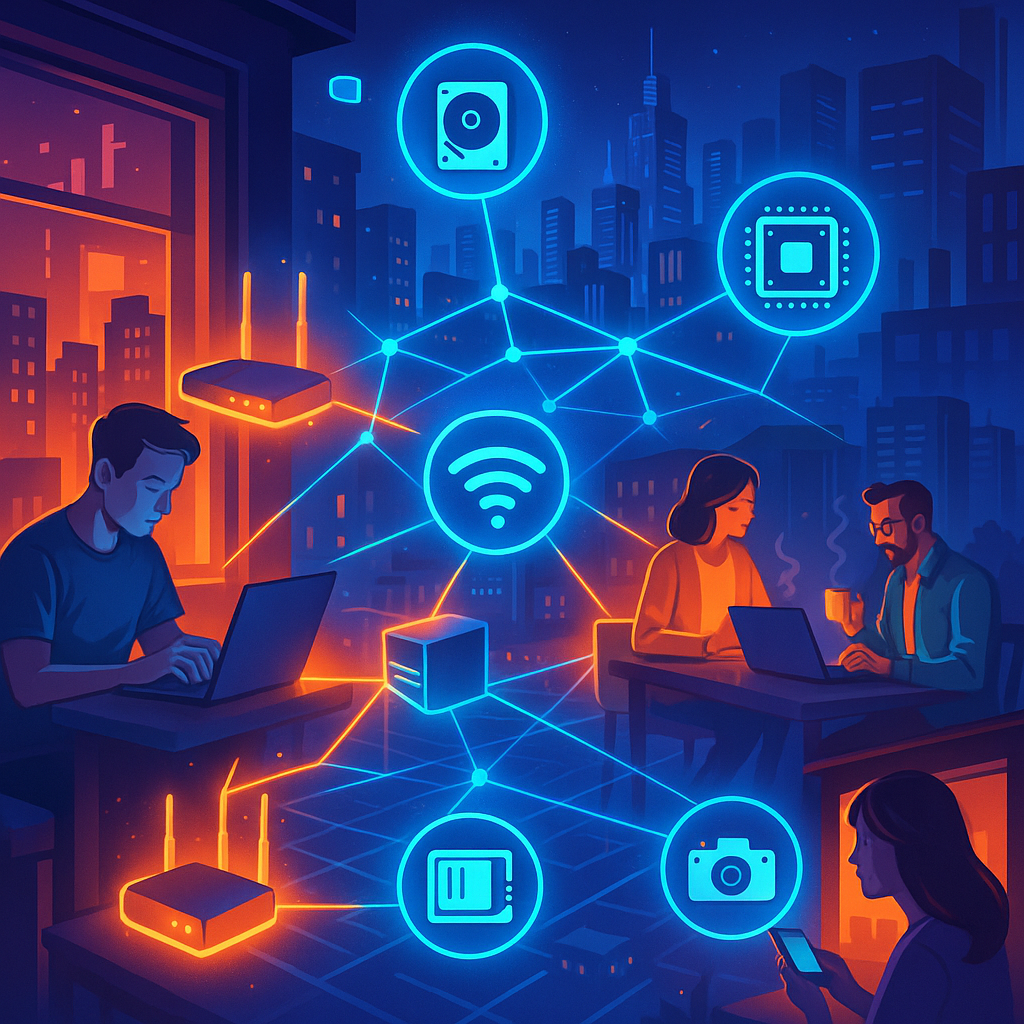
These resources are connected and managed through blockchain technology. Anyone who contributes their resources to the network gets rewarded with crypto tokens. Think of it this way: instead of Google or Amazon running massive data centers, you and your neighbors share your spare Wi-Fi or hard drive space and get paid in crypto for doing so.
This model shifts power away from centralized corporations and puts it directly in the hands of users.
How Does a DePIN System Work?
The working model of DePIN is straightforward and follows a clear peer-to-peer structure:
- Resource sharing: Individuals contribute physical resources such as bandwidth, disk space, or GPU computing power.
- Blockchain tracking: A blockchain ledger records who is contributing what, ensuring transparency and trust without a central authority.
- Crypto rewards: Contributors receive cryptocurrency tokens based on how much they contribute to the network.
- Service usage: Other users or businesses access these shared services — such as cloud storage, wireless internet, or computing power — at competitive rates.
No single company controls the network. Everything runs on a peer-to-peer basis, making it more open, transparent, and resistant to censorship or monopoly control.
Popular DePIN Projects You Should Know About
Several DePIN projects are already live and gaining traction globally. Here is a look at some of the most well-known ones:
| Project Name | What It Does |
|---|---|
| Helium | Lets people set up Wi-Fi hotspots to provide internet access and earn tokens. |
| Filecoin | Pays users for offering unused storage space on their computers. |
| Akash Network | Provides decentralized cloud computing power, similar to Amazon Web Services but community-run. |
| Render Network | Pays people for renting out their GPU power for AI processing and 3D rendering work. |
| HiveMapper | Uses dashcams to build decentralized maps and rewards contributors with tokens. |
| Grass | Allows users to share unused internet bandwidth for AI training and earn rewards in return. |
These projects prove that DePIN is not just a theoretical concept — it is already working in the real world, with real users earning real crypto rewards.
Why DePIN Matters: Two Big Problems It Solves
DePIN is gaining attention because it directly addresses two major problems with how the internet and digital infrastructure work today.
1. Big Tech Monopoly Over Infrastructure
Right now, companies like Google, Amazon, and Microsoft control a massive share of the world’s internet services, cloud storage, and computing infrastructure. This concentration of power means these companies can set prices, control access, and collect user data with very little competition. DePIN challenges this by distributing control across thousands or millions of individual contributors.
2. Wasted Idle Resources
Most people have unused internet bandwidth, spare hard drive space, or idle computing power sitting around. DePIN creates a system where these unused resources can be put to work, benefiting both the contributor — who earns crypto — and the end user, who gets affordable access to services.
Why DePIN Is Attracting Investors and Tech Enthusiasts in 2025
DePIN has become one of the most exciting sectors in the Web3 world for several reasons:
- Passive income potential: Anyone with a compatible device — a router, a computer, or even a dashcam — can start earning crypto from home without any technical expertise.
- Building a fairer internet: DePIN supports the vision of an open, decentralized internet where no single entity holds too much power.
- Better privacy: With fewer centralized gatekeepers, users have greater control over their data and online activity.
- Early investment opportunities: Many DePIN tokens are still in early stages, making them attractive to crypto investors looking for high-growth opportunities.
- Real-world utility: Unlike many crypto projects that exist only on paper, DePIN projects provide actual services — internet, storage, computing — that people and businesses genuinely need.
As blockchain technology matures and more people look for ways to earn from their existing devices, DePIN is well-positioned to grow significantly over the coming years.
In summary, DePIN represents a shift in how physical infrastructure is built and managed. By putting control in the hands of everyday users and rewarding them with crypto, it creates a more open, fair, and efficient system for delivering real-world services. Whether you are a crypto investor, a tech enthusiast, or simply someone curious about the future of the internet, DePIN is a trend worth watching closely in 2025 and beyond.