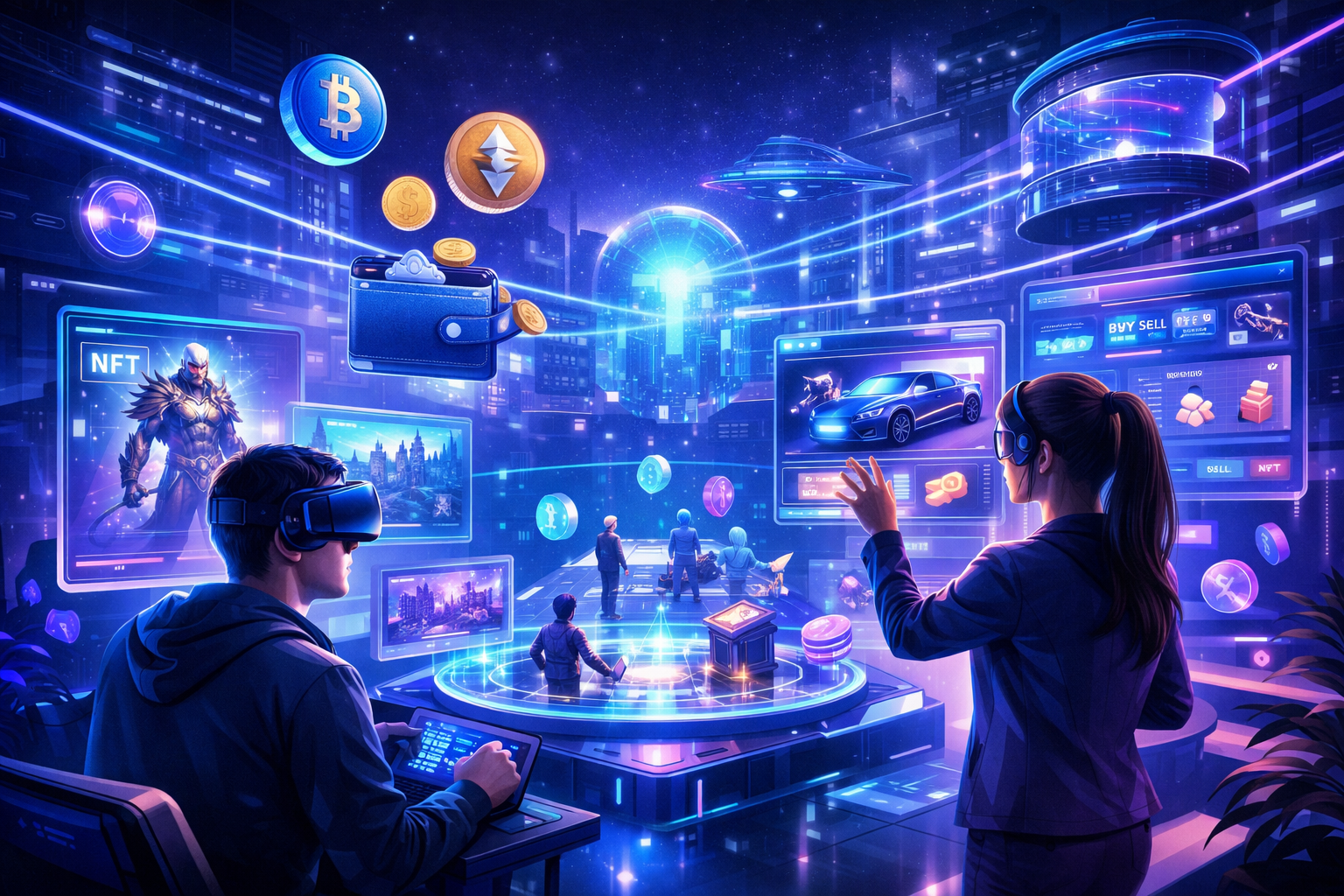
The internet is changing fast. Web3, NFTs, and GameFi are three technologies that are quietly reshaping how people own, earn, and interact online. Whether you are a gamer, an investor, or just a curious internet user, understanding these concepts can help you stay ahead in the digital world.
What Is Web3 and Why Does It Matter?
Web3 is often described as the next version of the internet. The current internet — sometimes called Web2 — is largely controlled by large corporations like Google, Meta, and Amazon. These companies store your data, manage your accounts, and profit from your content.
Web3 changes this by running on blockchain technology. A blockchain is a decentralised network where no single company or government has full control. This means users can:
- Own their personal data
- Control their digital identity
- Earn money directly without relying on middlemen
- Participate in platforms without fear of sudden account bans
This shift in power from corporations to individuals is why Web3 is gaining serious attention in 2026. It is not just a technical upgrade — it is a fundamental change in how the internet works.
NFTs: Digital Ownership Made Real
NFT stands for Non-Fungible Token. In simple terms, an NFT is a unique digital item stored on a blockchain. Unlike regular digital files that can be copied endlessly, each NFT has a verified owner and cannot be duplicated.
NFTs can represent many things:
- Digital artwork and illustrations
- Music tracks and albums
- In-game characters, weapons, and land
- Event tickets and memberships
- Online identity and credentials
Earlier, NFTs were mostly associated with expensive digital art sales. But their use has expanded significantly. Brands are now using NFTs for loyalty programmes. Sports organisations are issuing NFT-based collectibles. Virtual worlds are selling NFT land parcels that users can develop and trade.
The key point is that NFTs give users genuine ownership of digital assets — something that was not possible before blockchain technology.
GameFi: Where Gaming Meets Finance
GameFi combines gaming and decentralised finance into one experience. In traditional video games, players spend money on in-game items like skins, weapons, or characters. But once the game shuts down or the company changes its policies, those purchases are lost forever.
GameFi works differently. In a GameFi platform, in-game items are NFTs stored on a blockchain. This means:
- Players truly own their in-game assets
- Items can be sold or traded on open marketplaces
- Assets can sometimes be used across multiple games
- Players can earn real income through gameplay
This play-to-earn model has attracted millions of players globally, especially in countries where gaming income can be a meaningful source of livelihood. GameFi is not just entertainment anymore — it is a new economic model built around digital ownership.
How Web3, NFTs, and GameFi Connect With Each Other
These three technologies do not work in isolation. They are deeply connected and strengthen each other.
| Technology | Role | Example |
|---|---|---|
| Web3 | Provides the decentralised platform | Blockchain-based internet infrastructure |
| NFTs | Enables digital ownership | Owning a game character as a verified asset |
| GameFi | Creates earning opportunities through gaming | Selling in-game items for real money |
For example, when you buy a character in a Web3 game, that character is minted as an NFT on the blockchain. You can sell it on a marketplace, trade it with another player, or even use it in a compatible game on the same blockchain. This kind of cross-platform ownership is simply not possible in traditional gaming.
Challenges Facing Web3, NFTs, and GameFi
Despite the promise, these technologies still face real obstacles that users and developers must acknowledge.
- High transaction fees: Some blockchains charge significant fees for every transaction, making small trades expensive.
- Complexity: Setting up a crypto wallet, understanding gas fees, and navigating decentralised platforms can be confusing for new users.
- Security risks: Scams, phishing attacks, and smart contract vulnerabilities remain serious concerns.
- Regulatory uncertainty: Governments around the world, including India, are still working on clear rules for NFTs and crypto assets.
- Market volatility: The value of NFTs and GameFi tokens can fluctuate sharply, creating financial risk for players and investors.
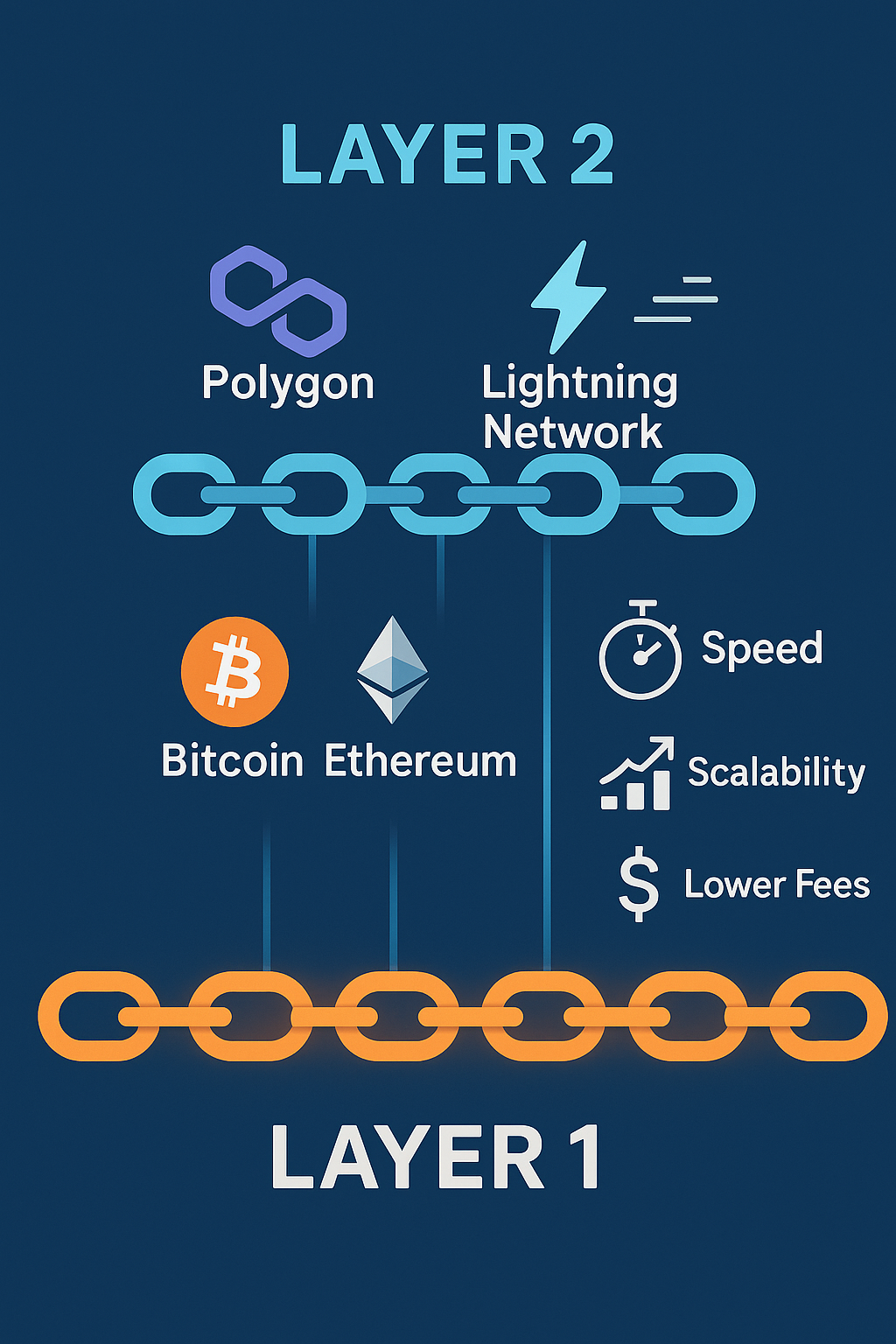
These challenges are real, but the technology is improving. Newer blockchains are offering lower fees and faster transactions. Security tools are getting stronger. And regulatory clarity, while slow, is gradually emerging in several countries.
What the Future Looks Like for Web3 and GameFi
The trajectory for Web3, NFTs, and GameFi points strongly upward. More developers are building on blockchain platforms. More brands are exploring NFT-based engagement strategies. And more gamers are discovering that their hobby can also generate income.
In the coming years, we could see a fully decentralised internet where users control their own data and digital assets without depending on any single platform. Gaming, finance, and digital identity will become more intertwined than ever before.
For Indian users, this presents a significant opportunity. India has one of the largest gaming communities in the world and a growing base of crypto-aware users. As Web3 infrastructure matures and regulations become clearer, Indian players and creators stand to benefit greatly from this shift.
Web3, NFTs, and GameFi are not passing trends. They represent a structural change in how the digital economy works — and understanding them now puts you in a strong position for what comes next.
Frequently Asked Questions
Web2 is the current internet where large companies like Google and Meta control user data and platforms. Web3 is a decentralised version of the internet built on blockchain, where users own their data, identity, and digital assets without relying on any central authority.
Yes. In GameFi games, players earn tokens or NFTs that have real monetary value. These can be sold or traded on cryptocurrency marketplaces. However, earnings depend on the game, market conditions, and the value of in-game assets, which can be volatile.
Yes. While the speculative NFT art boom has cooled, NFTs are now being used in practical ways such as event ticketing, brand loyalty programmes, gaming assets, and digital identity verification. Their use cases have expanded well beyond digital art.