
Major financial institutions on Wall Street are no longer treating blockchain as a distant experiment. Banks, stock exchanges, and investment firms are actively integrating blockchain into their core operations — and the shift is reshaping how money moves, assets are traded, and records are kept.
Why Wall Street Is Turning to Blockchain
Traditional financial systems were built decades ago. They depend on layers of paperwork, multiple intermediaries, and manual verification processes that slow everything down and add unnecessary costs.
Blockchain offers a direct alternative. It is a decentralized digital ledger that records transactions in a transparent, tamper-proof way — without needing a central authority to verify each step.
Key reasons Wall Street is embracing blockchain include:
- Faster transactions — processes that took days can now happen in minutes
- Lower costs — fewer intermediaries means reduced fees
- Greater accuracy — automated verification reduces human error
- Improved trust — all parties see the same permanent record
Blockchain in Trading and Settlement
One of the biggest pain points in financial markets is trade settlement — the process of transferring ownership of assets after a trade is made. In traditional markets, this can take two to three business days.
Blockchain compresses that timeline to minutes or even seconds. This has real consequences for the market:
- Buyers and sellers face less counterparty risk
- Capital tied up in pending trades is freed faster
- Overall market efficiency improves significantly
Stock exchanges and clearing firms are already testing blockchain-based settlement systems to replace legacy infrastructure. The goal is to make markets faster and more reliable for everyone involved.
Tokenization of Financial Assets
Tokenization is one of the most talked-about applications of blockchain in finance. It involves converting real-world assets — such as stocks, bonds, real estate, or commodities — into digital tokens that live on a blockchain.
This approach opens up investing in ways that were not possible before:
- Fractional ownership — investors can buy a small piece of a high-value asset
- Easier trading — tokens can be transferred quickly without complex paperwork
- Global access — investors from anywhere in the world can participate
For Wall Street, tokenization creates new product opportunities and expands the pool of potential investors. It also makes illiquid assets like real estate far easier to trade.
Stablecoins, Payments, and Compliance
Beyond trading, blockchain is changing how money moves between institutions. Cross-border payments that traditionally took several days and involved multiple correspondent banks can now be settled in real time at a fraction of the cost.
Stablecoins — digital currencies pegged to traditional money like the US dollar — are gaining attention from financial institutions because they combine the speed of crypto with the price stability of fiat currency. They work well within existing financial systems and are being explored for interbank payments and settlements.
Blockchain also strengthens compliance and regulatory reporting. Because every transaction is recorded permanently and cannot be altered, financial institutions can:
- Track the full history of any transaction
- Reduce the risk of fraud and manipulation
- Simplify audits and regulatory reporting
- Meet anti-money laundering and know-your-customer requirements more efficiently
| Area | Traditional System | With Blockchain |
|---|---|---|
| Trade Settlement | 2 to 3 business days | Minutes to seconds |
| Cross-Border Payments | Several days, high fees | Real-time, lower cost |
| Asset Ownership Records | Centralized, slow to update | Decentralized, instant update |
| Compliance Reporting | Manual, time-consuming | Automated, tamper-proof |
Challenges and the Road Ahead
Despite the clear benefits, blockchain adoption on Wall Street is not without hurdles. Financial institutions face several practical challenges:
- Regulatory uncertainty — rules around digital assets and blockchain-based systems are still evolving in many countries
- Technical complexity — integrating blockchain with decades-old legacy systems requires significant investment
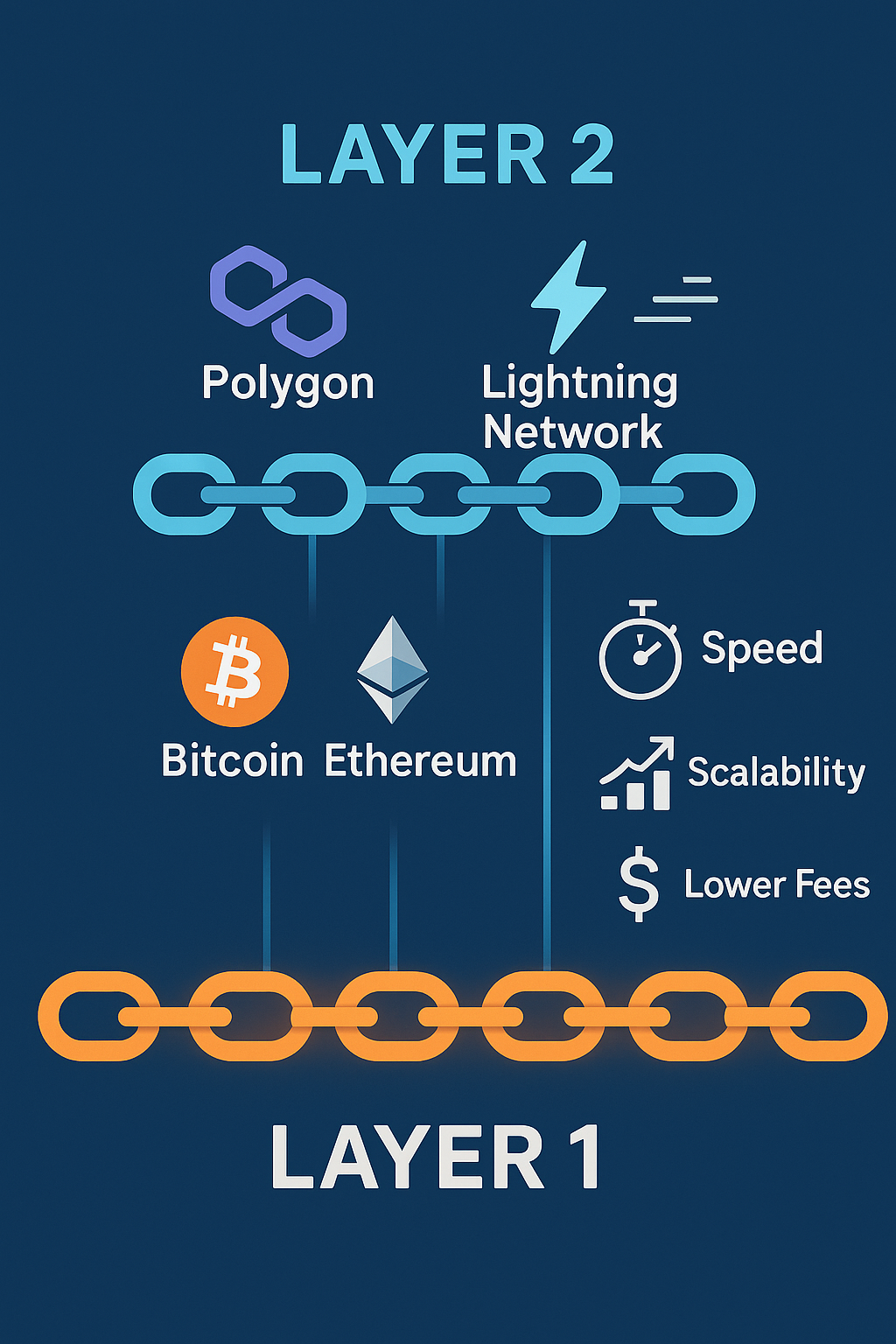
- Scalability — some blockchain networks struggle to handle the volume of transactions that large financial markets require
- Data privacy — public blockchains expose transaction data, which can conflict with confidentiality requirements in finance
Wall Street is addressing these issues by adopting private or permissioned blockchains — networks where access is controlled and only approved participants can view or add data. This approach lets firms benefit from blockchain’s efficiency while maintaining the privacy and compliance standards their industry demands.
Looking ahead, blockchain could support round-the-clock trading markets, fully digital asset exchanges, and entirely new financial products that do not exist today. The integration is gradual but deliberate — blockchain is being added as a powerful layer on top of existing systems, not as an overnight replacement.
As regulations become clearer and technology matures, blockchain’s role in global finance is expected to grow steadily. Wall Street’s early adoption signals that this technology is no longer on the fringe — it is becoming part of the foundation of modern finance.