Software development is moving at a pace that was hard to imagine just a few years ago. Developers are building larger, more complex applications while facing pressure to ship faster and with fewer bugs. Two technologies are leading this shift: TypeScript and Artificial Intelligence. Together, they are changing how developers write code, fix errors, and deliver software at scale.
Why TypeScript Has Become a Developer Favourite
TypeScript is a strongly-typed superset of JavaScript. In simple terms, it lets developers define the shape and behaviour of their data before the code actually runs. This one feature alone helps catch a large number of common programming errors early in the development process.
Here is why developers are choosing TypeScript over plain JavaScript:
- Early error detection: Type errors are flagged before the code runs, saving debugging time.
- Better code readability: Typed code is easier for teams to read, understand, and maintain.
- Confidence in large projects: TypeScript makes it safer to work on complex codebases with multiple contributors.
- Wide framework support: Popular frameworks like Angular, Next.js, and NestJS have strong TypeScript integration.
As a result, TypeScript has grown from a niche tool to a mainstream choice for building production-grade web and backend applications.
How AI Is Changing the Way Developers Work
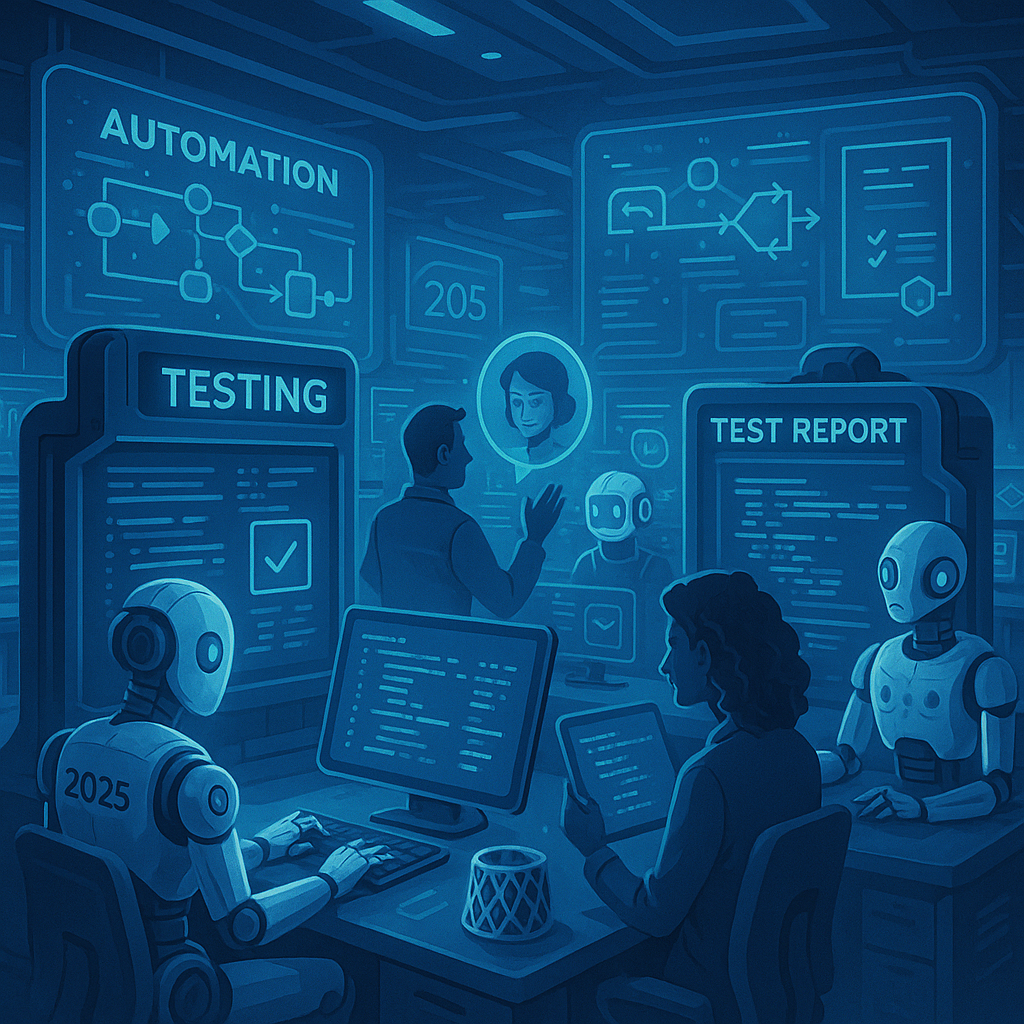
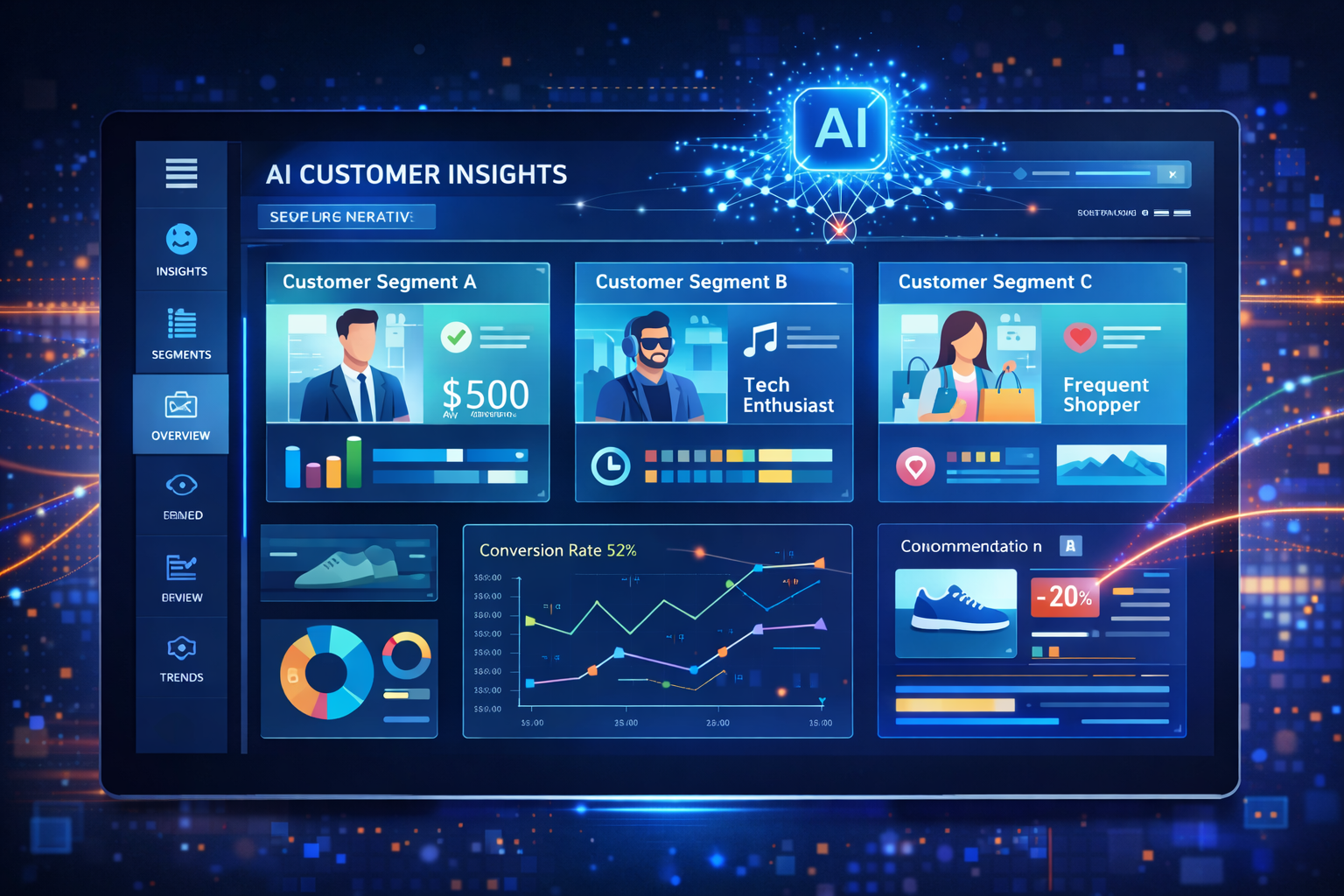
Artificial intelligence is no longer just a topic developers build products around. It has become a tool they use every day in their own workflow. AI-powered coding assistants can now suggest code, complete functions, identify bugs, and even write test cases automatically.
This shift has real benefits for development teams:
- Reduced repetitive work: Boilerplate code and routine tasks can be handled by AI tools, freeing developers for creative problem-solving.
- Faster bug resolution: AI can scan code and flag potential issues before they reach production.
- Improved software quality: Automated suggestions based on best practices help maintain higher code standards.
- Shorter development cycles: Teams can move from idea to working product much faster with AI assistance.
Tools like GitHub Copilot and similar AI coding assistants are already widely used across development teams globally, including in India’s fast-growing tech sector.
Why TypeScript and AI Work So Well Together
TypeScript and AI are not just two separate trends. They complement each other in a meaningful way. TypeScript’s structured, type-safe code gives AI tools a clearer picture of what a developer is trying to build. This leads to more accurate code suggestions, better bug detection, and smarter auto-completion.
| Feature | TypeScript Alone | TypeScript + AI |
|---|---|---|
| Error Detection | At compile time | Real-time, context-aware suggestions |
| Code Suggestions | Limited to IDE hints | Smart, pattern-based completions |
| Bug Fixing | Manual debugging | AI-assisted root cause analysis |
| Code Quality | Consistent typing | Enforced best practices at scale |
When developers use TypeScript alongside AI tools, the result is cleaner code, fewer production errors, and a smoother overall development experience.
Impact on Developer Productivity and Team Efficiency
One of the most practical benefits of combining TypeScript and AI is the boost in developer productivity. Teams spend less time hunting down bugs and more time building features that matter to users.
Projects that once took months can now be completed in weeks. Code reviews become faster because TypeScript enforces consistency, and AI tools catch issues before they even reach the review stage. For startups and large enterprises alike, this translates directly into cost savings and faster time to market.
Indian software companies and IT services firms, which are among the largest technology employers in the world, stand to gain significantly from this shift. As global clients demand faster delivery and higher quality, TypeScript and AI together offer a practical path forward.
What the Future Looks Like for Developers
The trajectory is clear. TypeScript adoption is growing steadily across the industry, and AI tools are becoming more capable with each passing month. Developers who build skills around both technologies will be better positioned for the jobs and projects of the next decade.
Companies are already prioritising TypeScript in their hiring requirements. At the same time, familiarity with AI-assisted development tools is becoming an expected skill rather than a bonus. The developer ecosystem is shifting from manual, error-prone coding to a smarter, more automated workflow.
For students, early-career developers, and experienced engineers alike, investing time in TypeScript and understanding how to work effectively with AI coding tools is one of the most practical career moves available right now.
The combination of TypeScript’s reliability and AI’s speed is setting a new standard for how software gets built. Developers and teams that embrace both will be equipped to create scalable, secure, and future-ready applications in an industry that shows no signs of slowing down.