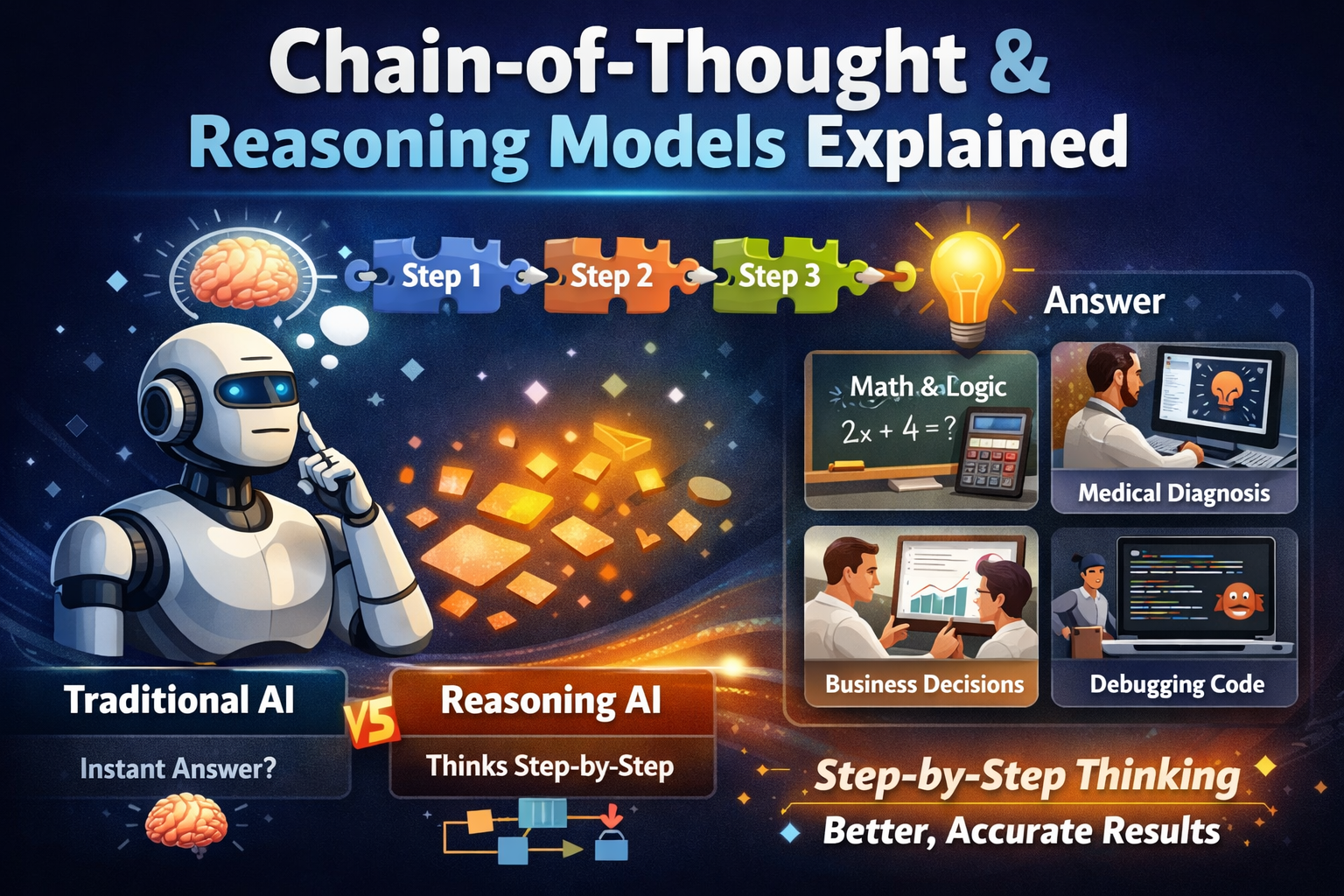
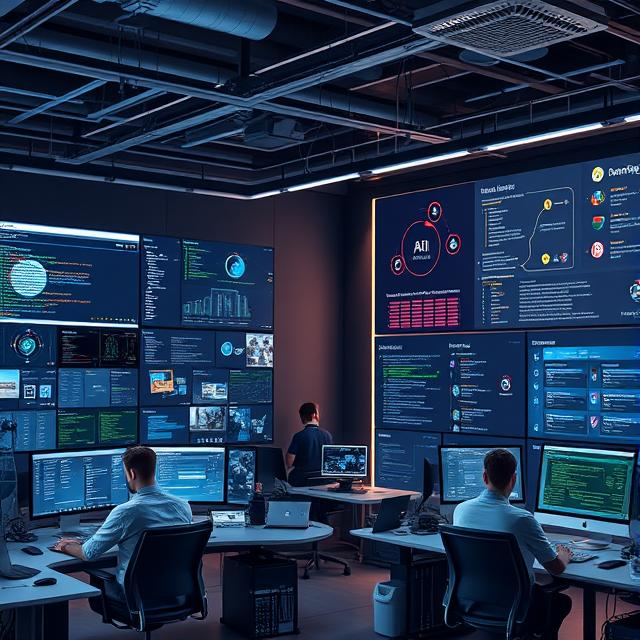
The software industry is shifting at a rapid pace. From generative AI writing code to low-code platforms empowering non-developers, the way teams build and ship software has changed dramatically. Understanding these trends helps businesses, developers, and entrepreneurs stay ahead in a competitive digital landscape.
Generative AI Is Transforming How Developers Write Code
Generative AI has become one of the most talked-about forces in software development. These intelligent systems can generate code snippets, suggest improvements, and even build entire applications from plain-language descriptions.
By using natural language processing, AI-powered coding tools free developers from repetitive tasks. Instead of writing boilerplate code, developers can focus on solving complex problems and building creative solutions. This shift is speeding up product cycles and encouraging more experimentation across teams of all sizes.
- AI tools can auto-complete code and catch bugs early
- Natural language inputs reduce the barrier for writing functional code
- Teams can prototype and test ideas much faster than before
- Productivity gains allow smaller teams to deliver larger projects
AI-Driven Security Is Protecting Software in Real Time
As software systems grow more complex, security has become a top priority. Traditional security methods often react after a threat has already caused damage. Today, AI and machine learning are changing that approach entirely.
Smart security tools now analyze patterns in real time, detect unusual behavior, and predict vulnerabilities before attackers can exploit them. Automated scanning tools and predictive threat models help developers build more resilient applications from the ground up.
- Machine learning models identify anomalies faster than human analysts
- Predictive tools flag weak spots before deployment
- Automated security checks are integrated directly into development pipelines
- Real-time monitoring reduces the window of exposure during and after launch
This shift toward proactive, AI-assisted security means fewer breaches and more trustworthy software for end users.
DevOps and CI/CD Pipelines Are Getting Smarter and Faster
DevOps continues to mature, and Continuous Integration and Continuous Deployment — commonly known as CI/CD — are becoming more automated and reliable than ever. The goal is simple: get quality software into users’ hands faster, with fewer errors.
Modern DevOps tools are helping development and operations teams collaborate more effectively. Cloud integration, self-running test environments, and real-time performance monitoring are now standard parts of many pipelines.
| Feature | Traditional Development | Modern DevOps with CI/CD |
|---|---|---|
| Deployment Speed | Weeks to months | Hours to days |
| Testing | Manual and periodic | Automated and continuous |
| Risk at Launch | High | Significantly reduced |
| Team Collaboration | Siloed departments | Integrated cross-functional teams |
These improvements reduce launch risks and ensure that app updates reach users smoothly and consistently.
Low-Code and No-Code Platforms Are Opening Software to Everyone
One of the most significant shifts in software development is the rise of low-code and no-code platforms. These tools allow people with little or no programming experience to build functional applications using drag-and-drop interfaces and visual workflows.
Business professionals, startup founders, and non-technical users can now participate in building digital products without depending entirely on professional developers. This democratization of software creation is accelerating innovation across industries.
- Drag-and-drop builders make app creation accessible to beginners
- Business teams can build internal tools without waiting for developer resources
- Platforms are adding AI-powered automation to handle complex logic
- Custom coding options are available for advanced users who need more control
As these platforms mature, they are becoming powerful enough to support enterprise-grade applications, not just simple prototypes.
What the Future of Software Development Looks Like
The software industry is in the middle of a major transformation. Generative AI, smarter security systems, advanced DevOps practices, and the growing adoption of low-code and no-code platforms are all pushing the industry forward together.
These technologies are not replacing developers — they are making development more accessible, efficient, and secure. As these tools improve, building software will become faster and more inclusive, opening the door for a wider range of people and businesses to create meaningful digital products.
For developers, staying updated on these trends is not optional — it is essential for remaining relevant and competitive in a rapidly changing field.