
Software security is no longer something developers can afford to think about at the last minute. As cyberattacks grow more frequent and sophisticated, the industry is shifting toward a smarter approach — building security into software from day one. This is the core idea behind Secure-by-Design software development, and it is changing how teams build, test, and ship applications.
What Is Secure-by-Design Software Development?
Secure-by-Design is a software development philosophy where security is treated as a foundational requirement, not an afterthought. Instead of patching vulnerabilities after a product is launched, developers think about potential risks during the planning, design, and coding stages.
The goal is simple: prevent security problems before they occur rather than scrambling to fix them after a breach. This approach produces software that is safer, more stable, and more trustworthy for end users.
Traditional development often treats security as a final checklist item. Secure-by-Design flips that model entirely — security becomes part of every decision made throughout the development lifecycle.
Why Security Cannot Be an Afterthought
Cyber threats are growing in both volume and complexity. Hackers now use advanced tools to exploit even minor vulnerabilities in software systems. A single security gap can lead to serious consequences — data breaches, financial losses, regulatory penalties, and damaged reputations.
When security is added late in development, fixing it becomes expensive and time-consuming. Reworking an already-built system to patch vulnerabilities costs significantly more than addressing those issues during the design phase.
Beyond cost, late-stage security fixes often leave gaps. A feature built without security in mind may require a complete redesign to be properly protected. Secure-by-Design eliminates this problem by making safety a core part of every development decision from the start.
Key Practices in Secure-by-Design Development
Secure-by-Design is not a single tool or technique — it is a combination of smart practices applied consistently throughout the software development process. Some of the most important include:
- Least privilege access: Users and system components are given only the minimum access they need to perform their tasks. This limits the damage that can occur if an account or component is compromised.
- Defence in depth: Multiple layers of security are applied so that if one layer fails, others continue to protect the system.
- Secure defaults: Software is configured to be secure out of the box, without requiring users to manually adjust complex settings.
- Threat modelling: Developers actively ask what could go wrong and how a feature might be misused, then design against those risks.
- Safe coding practices: Developers follow established guidelines to avoid common vulnerabilities such as SQL injection, cross-site scripting, and unauthorized data access.
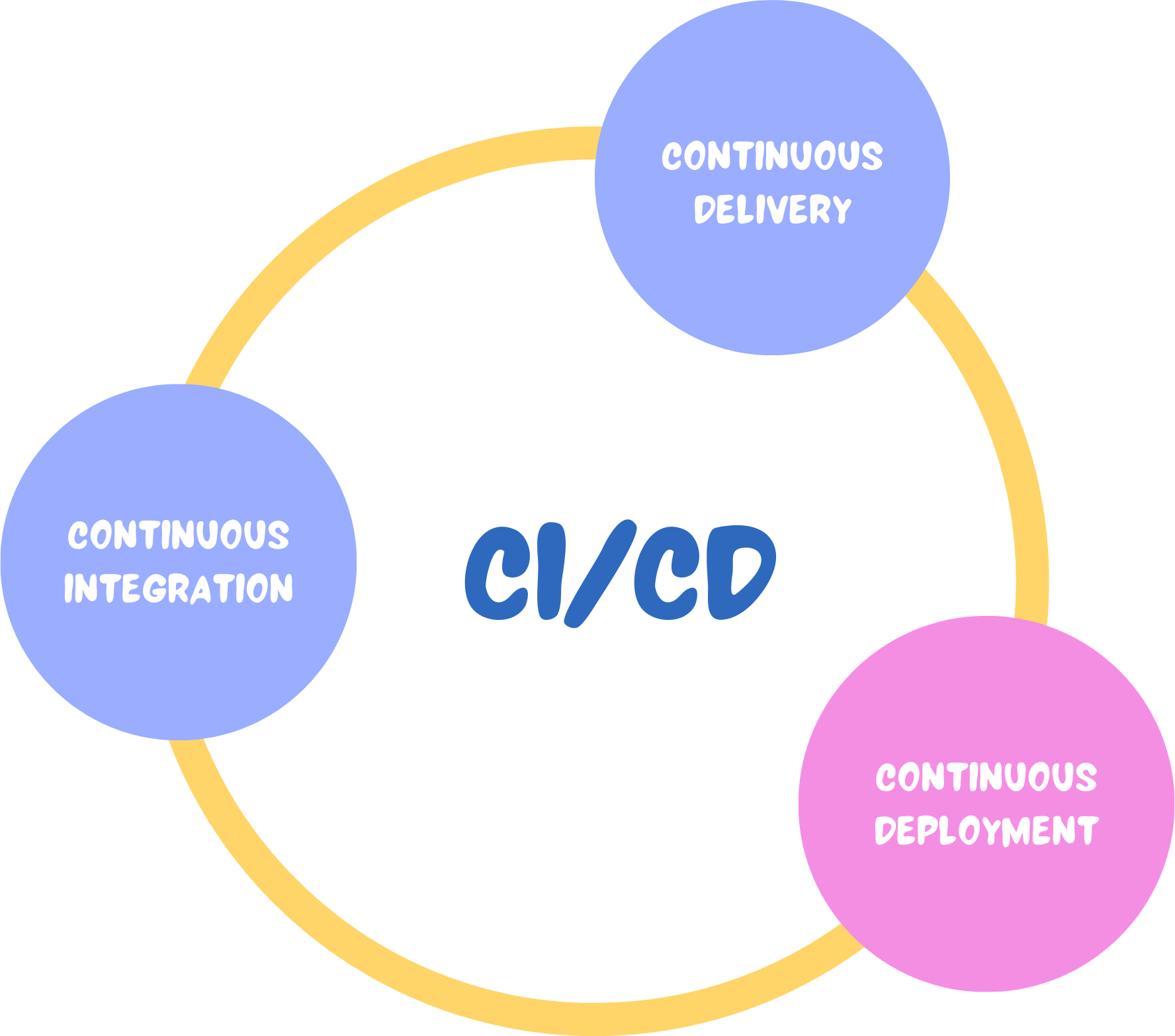
- Continuous security testing: Security checks are integrated throughout development, not just at the end, so issues are caught and resolved early.
- Regular updates and monitoring: Systems are kept current with patches and monitored for unusual activity to defend against emerging threats.
Benefits of Adopting Secure-by-Design
The advantages of building security into software from the beginning are significant and practical.
| Benefit | Impact |
|---|---|
| Fewer vulnerabilities at launch | Reduces risk of cyberattacks and data breaches |
| Lower cost of security fixes | Fixing issues early is far cheaper than post-launch patches |
| Higher software quality | Security-focused development improves overall code quality |
| Stronger user trust | Users feel confident their data is protected |
| Regulatory compliance | Easier to meet data protection and privacy regulations |
How Leading Companies Are Applying This Approach
Major technology companies have already embraced Secure-by-Design principles. Microsoft has built security deeply into its development processes, including its Security Development Lifecycle (SDL), which guides teams to address security at every stage of building software. Google applies similar principles across its platforms, from Android to cloud services.
Banking applications, healthcare platforms, and modern cloud services all rely on Secure-by-Design practices to protect sensitive user data. As more businesses move their operations online, this approach is becoming a baseline expectation rather than a competitive advantage.
The rise of DevSecOps — a practice that integrates security into DevOps workflows — reflects how seriously the industry is taking this shift. Security teams, developers, and operations staff now work together from the very beginning of a project rather than operating in silos.
The Road Ahead for Secure Software Development
Secure-by-Design is fast becoming the standard for responsible software development. As technologies like cloud computing, the Internet of Things (IoT), and connected devices continue to expand, the attack surface for cybercriminals grows larger. Strong security built into software from the ground up will be essential to managing that risk.
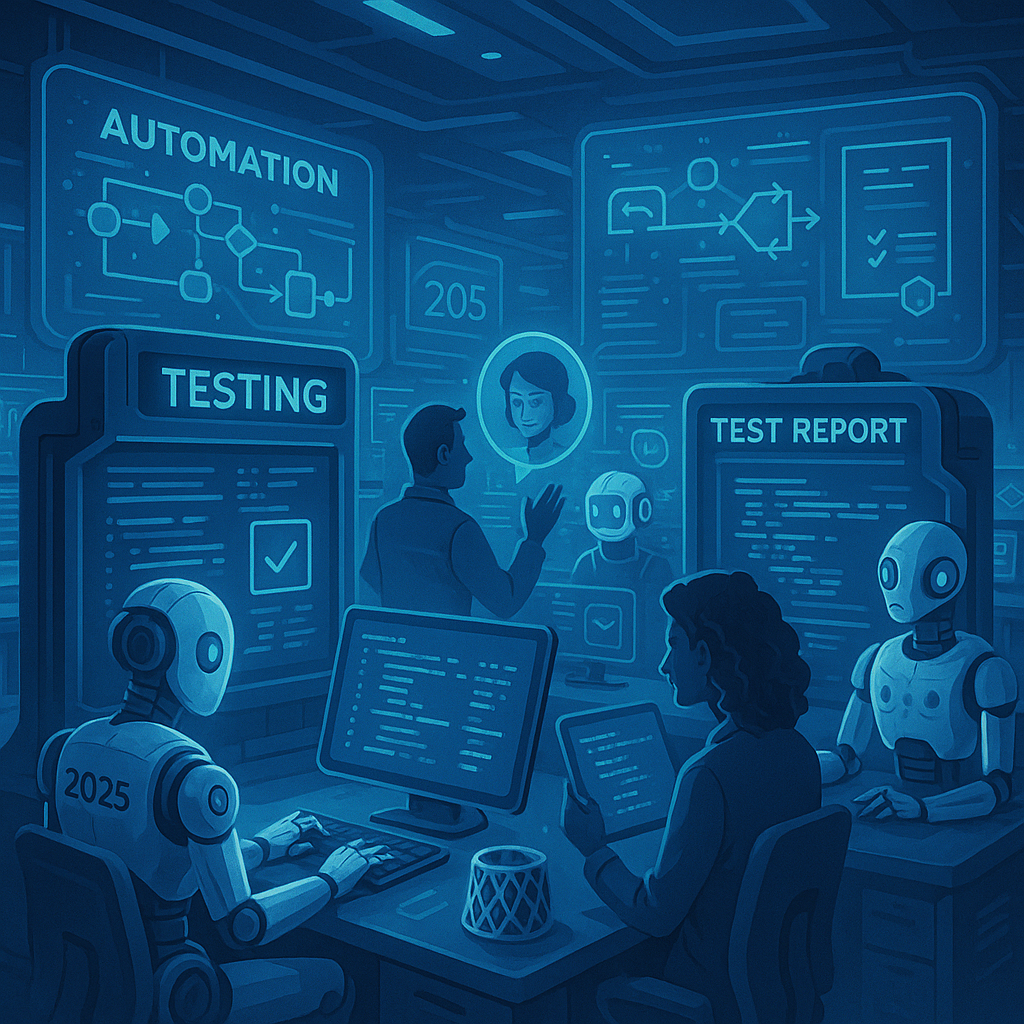
Automated security testing tools, static code analysis platforms, and intelligent vulnerability detection systems are making it easier for development teams to apply Secure-by-Design principles without slowing down delivery timelines. The future points toward a world where secure software is not the exception — it is the expectation.
For businesses, developers, and users alike, embracing Secure-by-Design is not just a technical decision. It is a commitment to building digital products that people can genuinely trust.