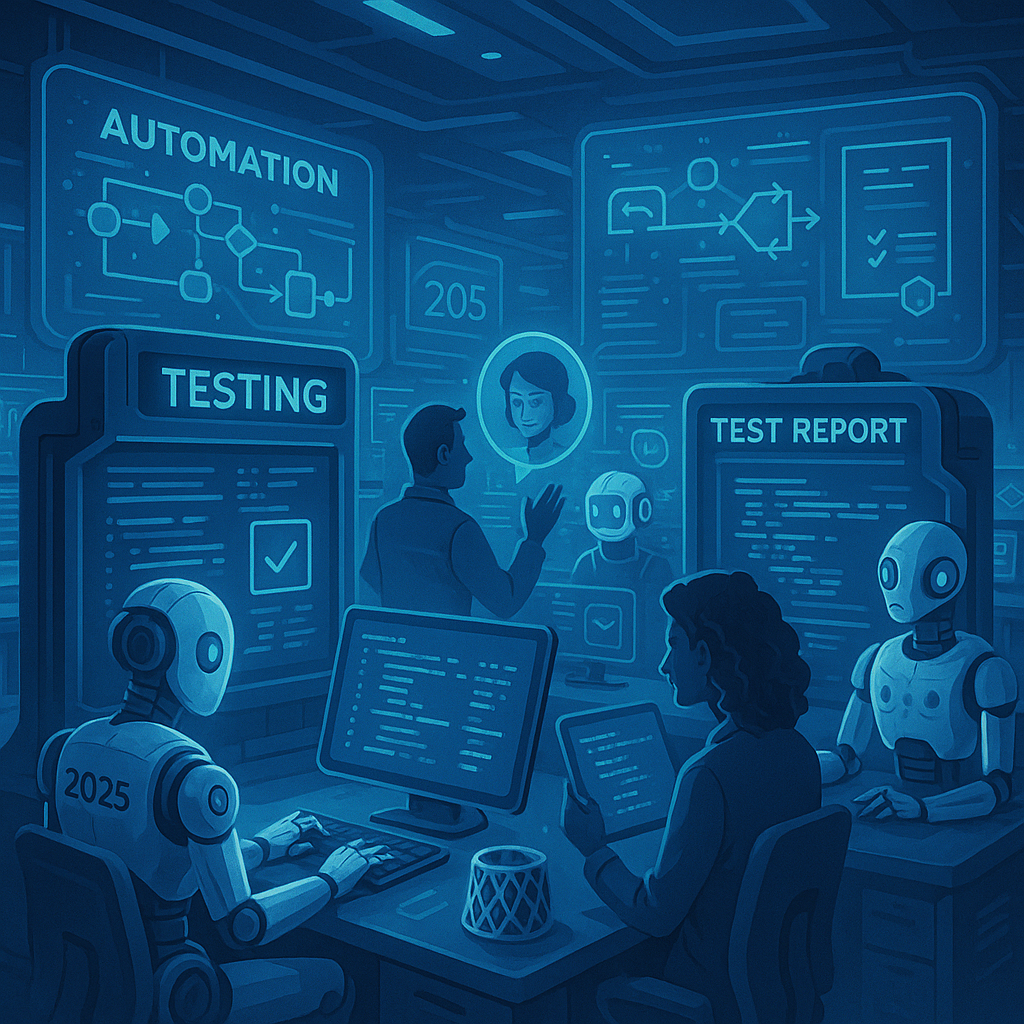

Software teams are growing faster than ever, and with that growth comes a serious problem — developers are spending too much time managing tools, fixing pipelines, and setting up servers instead of writing code. Platform Engineering and Internal Developer Platforms (IDPs) are changing that by giving developers a ready-made foundation to build on, so they can focus on what they do best.
What Is Platform Engineering?
Platform Engineering is a discipline within software development that focuses on building and maintaining the internal infrastructure developers need to do their jobs efficiently. Instead of every developer or team spending hours configuring environments, managing deployments, or troubleshooting infrastructure issues, platform engineers handle all of that centrally.
Think of it as building a well-stocked workshop. Rather than each developer hunting for their own tools, the workshop already has everything in place — coding environments, deployment pipelines, monitoring dashboards, and security checks. Developers walk in, pick up what they need, and get straight to work.
This approach reduces wasted time, lowers the chance of errors caused by inconsistent setups, and helps engineering teams scale without chaos.
What Are Internal Developer Platforms (IDPs)?
An Internal Developer Platform, or IDP, is the actual product that platform engineers build and maintain. It is a unified system that brings together all the tools and services a development team needs under one roof.
A well-built IDP typically includes:
- Code management tools — such as GitHub or GitLab for version control and collaboration
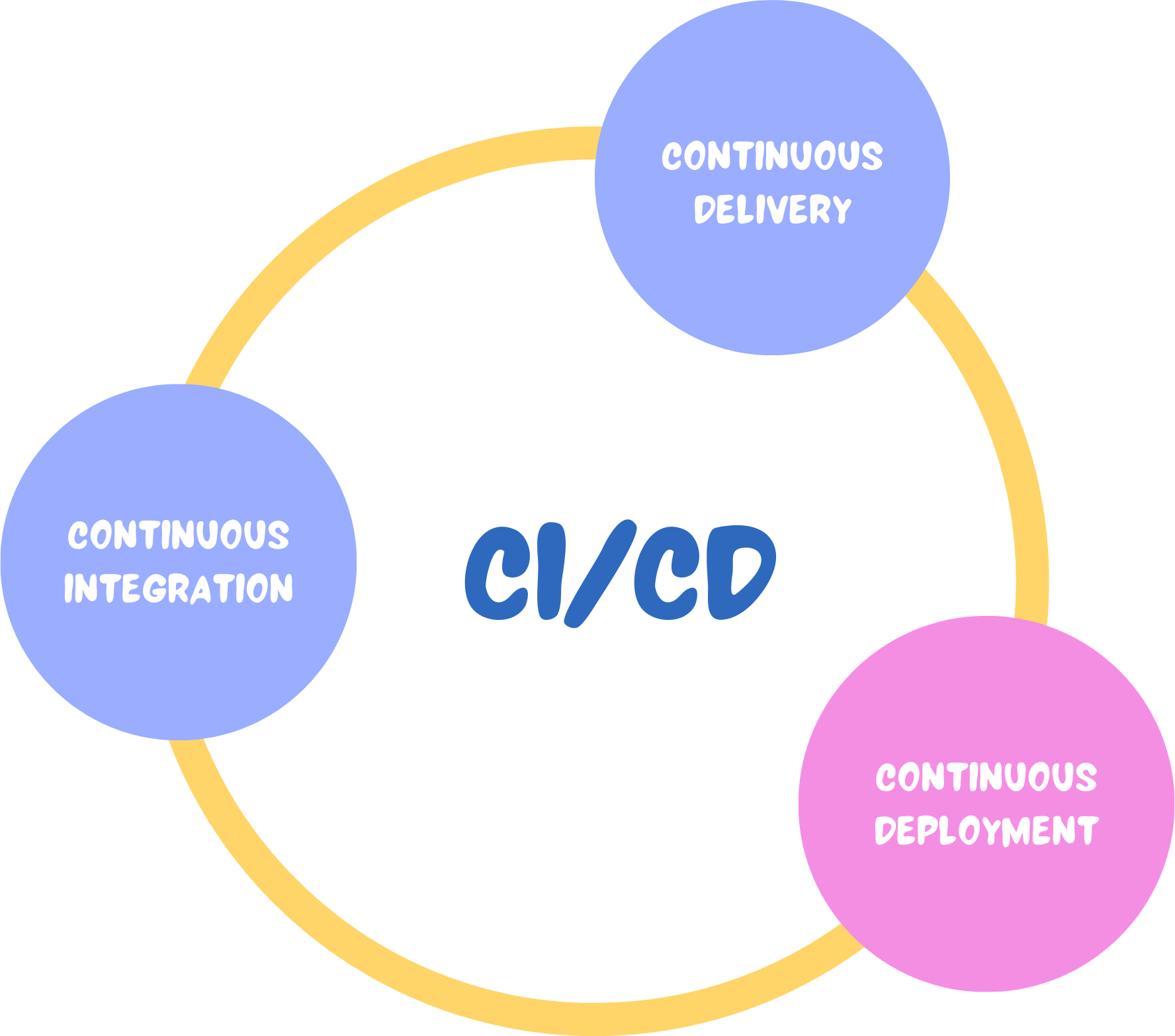
- CI/CD pipelines — tools like Jenkins or GitHub Actions to automate testing and deployment
- Infrastructure setup — using Terraform or Pulumi to provision and manage cloud resources automatically
- Monitoring and logging — platforms like Grafana and Prometheus to track system health and performance
- Built-in security checks — to ensure compliance and catch vulnerabilities early in the development cycle
Instead of each team building their own custom setup from scratch, an IDP gives everyone a shared, standardised platform. This improves consistency across teams, reduces duplication of effort, and makes onboarding new developers much faster.
Why Platform Engineering Matters for Software Teams
The value of platform engineering goes beyond just saving time. It has a direct impact on how well a software organisation performs at scale. Here are the key benefits:
- Faster development cycles — Developers can deploy applications quickly without waiting for infrastructure to be set up manually
- Consistency across teams — Everyone follows the same processes and uses the same tools, which reduces conflicts and confusion
- Scalability — The platform can handle large engineering teams and hundreds of microservices without breaking down
- Security from the start — Safety and compliance are baked into the platform rather than added as an afterthought
- Better developer experience — Removing repetitive setup tasks reduces frustration and lets developers focus on creative problem-solving
Real-World Use Cases of IDPs
Platform engineering is not just a concept for large tech companies. It is being adopted across industries of all sizes. Here are some practical examples:
- A fintech company uses an IDP to roll out new payment features rapidly while maintaining strict security and compliance standards
- An e-commerce business manages its shopping cart, inventory system, and delivery tracking services through a single unified platform
- A startup adopts platform engineering early to keep infrastructure costs low and scale operations as the team grows
In each case, the IDP acts as the backbone that keeps development moving smoothly regardless of team size or complexity.
Popular Tools Used to Build IDPs
Several tools have become standard choices for teams building Internal Developer Platforms. Here is a quick comparison of the most widely used ones:
| Tool | Purpose |
|---|---|
| Backstage (by Spotify) | Open-source framework for building developer portals and IDPs |
| Humanitec | Helps teams create self-service internal platforms quickly |
| Kubernetes and Docker | Container management for running and scaling applications |
| Terraform and Pulumi | Infrastructure-as-code tools to automate cloud resource setup |
| GitHub Actions / Jenkins | CI/CD automation for testing and deploying code changes |
The Future of Platform Engineering
As software systems grow more complex and engineering teams expand globally, platform engineering is set to become a standard practice rather than a competitive advantage. More organisations are recognising that investing in internal platforms pays off through faster delivery, fewer outages, and happier engineering teams.
IDPs will increasingly serve as the bridge between development and operations — making software delivery quicker, safer, and more reliable. With tools like Backstage gaining widespread adoption and cloud-native infrastructure becoming the norm, the role of platform engineers will only grow in importance over the coming years.
For companies looking to scale their engineering capabilities, building or adopting an Internal Developer Platform is no longer optional — it is becoming essential.